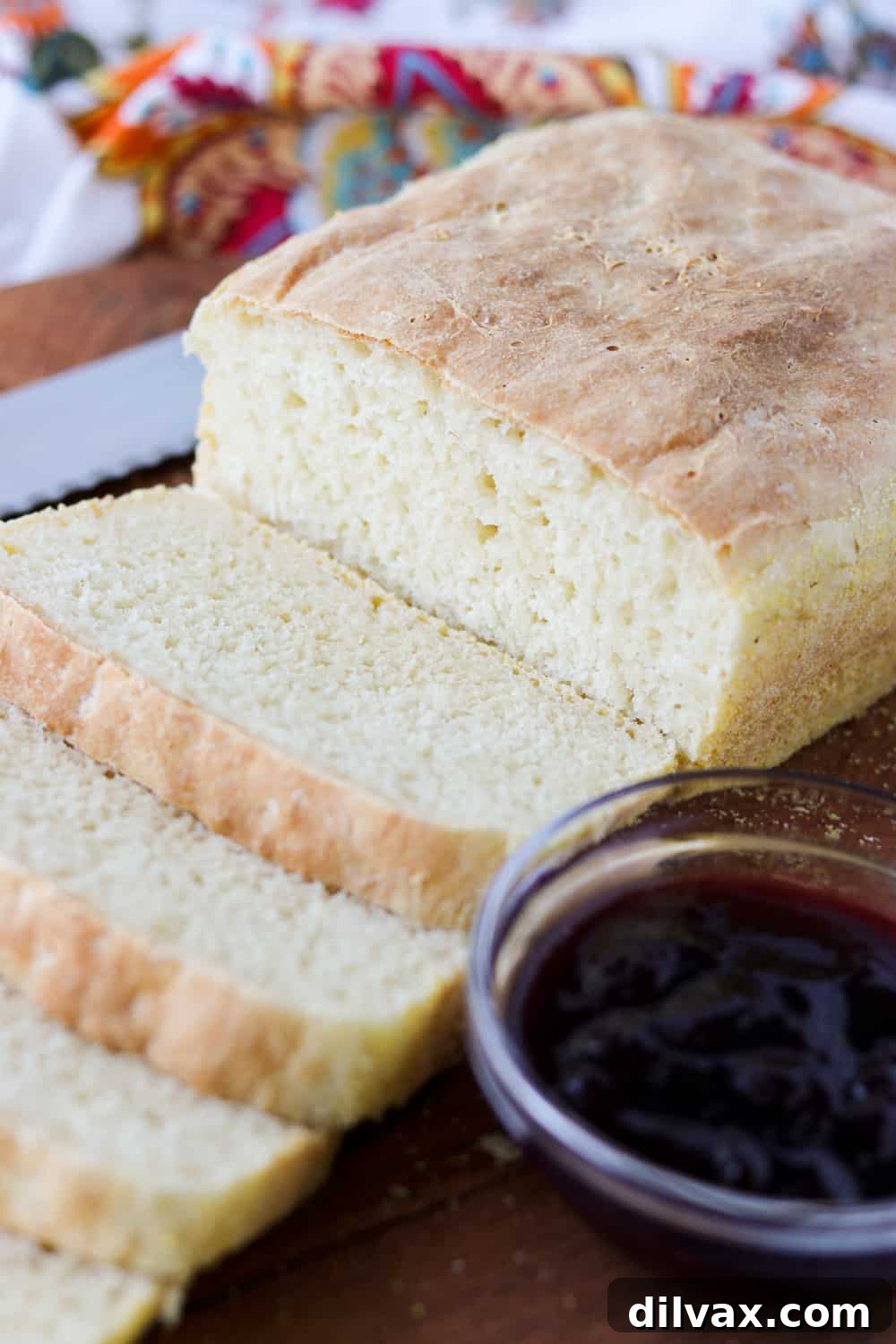
Easy Homemade English Muffin Bread: Your New Breakfast Favorite
Imagine the delightful aroma of freshly baked bread filling your home, coupled with the distinctive texture of a classic English muffin – those irresistible nooks and crannies just waiting to absorb warm, melted butter and sweet jam. This culinary dream becomes a reality with our incredibly easy English Muffin Bread recipe! Crafted for success, even for beginner bakers, this homemade delight promises professional-quality results and a taste that will elevate your morning coffee ritual into a truly special occasion.
Why This English Muffin Loaf Will Become Your Go-To Recipe
This isn’t merely another bread recipe; it’s an experience in itself. Baking English Muffin Bread has been a cherished tradition of mine since high school, offering a unique satisfaction that sets it apart from everyday yeast breads. There’s something profoundly comforting about creating a loaf that perfectly captures the distinctive charm of traditional English muffins, yet boasts the remarkable simplicity of baking it in a standard loaf pan. It’s a project that feels special, provides immense comfort, and delivers an undeniably delicious result.
The beauty of this recipe extends beyond its unique flavor and texture. It generously yields not just one, but two substantial loaves! This means you can indulge in one fresh from the oven, and easily freeze the second for a future breakfast or a thoughtful, homemade gift for a friend. Imagine surprising someone with a loaf of this incredible bread, knowing it’s a taste of homemade comfort they’ll adore.
Beyond Butter: Creative Ways to Savor Your English Muffin Bread
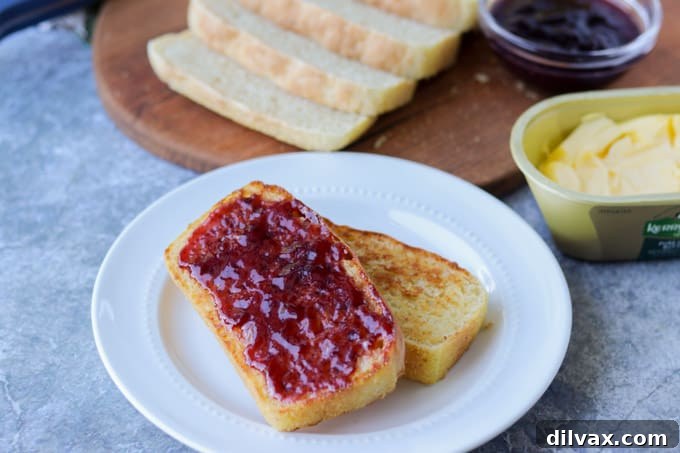
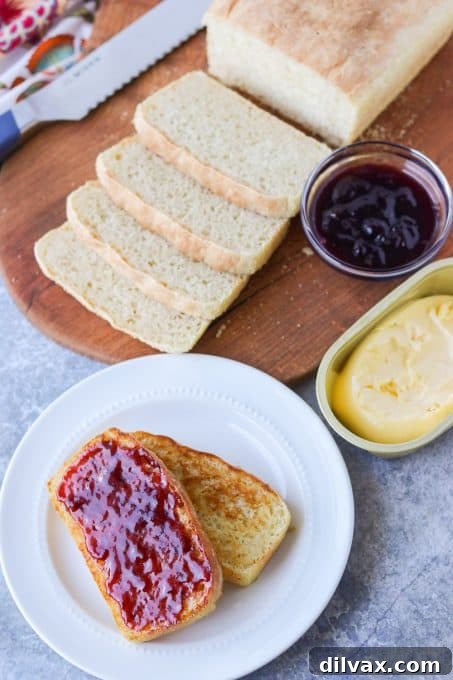
While a classic pairing of rich butter and a dollop of your favorite fruit jam is an absolute winner, the magnificent nooks and crannies of this bread are an open invitation for culinary exploration. For an even more indulgent and heavenly treat, consider whipping up a batch of Easy Cinnamon Honey Butter – its spiced sweetness perfectly complements the bread’s subtle tang.
But don’t limit yourself to sweet spreads! English Muffin Bread makes an excellent canvas for savory delights too. Try it toasted with a perfectly fried or poached egg and a sprinkle of chives, a slice of creamy avocado and everything bagel seasoning, or melted cheddar cheese with a dash of hot sauce. Its slightly chewy yet tender texture holds up beautifully to heartier toppings, making it a versatile option for breakfast, brunch, or even a light lunch. The possibilities are truly endless, allowing you to customize each slice to your craving.
English Muffin Bread vs. Traditional English Muffins: The Effortless Alternative
Traditional English Muffins are celebrated for their distinctive texture, characterized by those wonderful internal air pockets and a slightly crisp exterior. Achieving this texture typically involves a multi-step process: mixing a yeast dough, allowing it to proof, punching it down, resting, and then meticulously shaping and cooking each individual muffin on a hot griddle or skillet. This stovetop method requires careful attention to temperature and flipping, and while rewarding, it can be quite time-consuming and labor-intensive for a full batch.
Our English Muffin Bread recipe brilliantly simplifies this entire endeavor, allowing you to achieve nearly identical results with significantly less fuss and effort. The most exciting part? There’s absolutely no stovetop cooking required! Instead of individual muffins, you’ll prepare a wonderfully soft yeast dough that’s then poured into a standard loaf pan. After a straightforward rise, the loaf is simply baked in the oven. The oven’s consistent heat works its magic, transforming the dough into a beautifully golden-brown loaf that, when sliced and toasted, reveals those very same delightful nooks and crannies you adore in a griddle-cooked English muffin.
One bite is all it takes to confirm: it truly tastes like authentic English Muffins! This ingenious method makes the joy of homemade “muffins” accessible to everyone, from first-time bakers intimidated by yeast to seasoned culinary enthusiasts looking for a quicker, equally delicious alternative. You gain all the beloved flavor and signature texture with a fraction of the hands-on time, ensuring you can enjoy fresh, warm, homemade bread more frequently and with minimal stress.
Essential Ingredients for Your Perfect Loaf
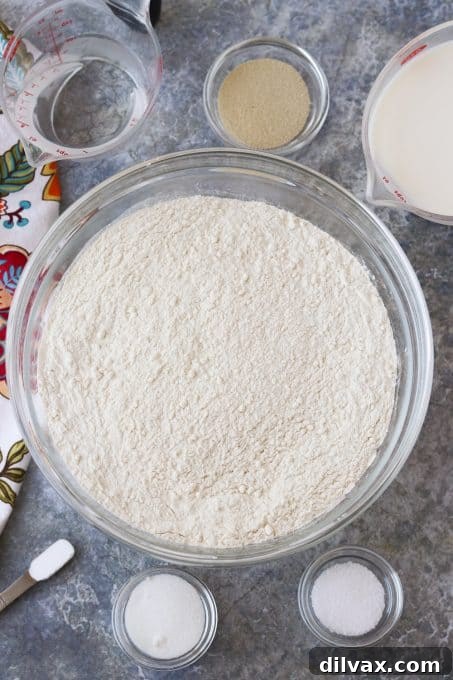
Crafting this delightful English Muffin Bread requires just a handful of basic pantry staples. The magic truly unfolds when these straightforward components are combined, working in harmony to create that distinctive texture and flavor profile we all love. Here’s a comprehensive list of what you’ll need to gather before you begin:
- All-purpose flour: The foundational element, providing structure.
- Active dry yeast: The leavening agent responsible for the bread’s rise and airy internal structure.
- Granulated sugar: A small amount acts as food for the yeast and balances the flavor.
- Salt: Essential for flavor enhancement and regulating yeast activity.
- Baking soda: A key ingredient that contributes to the unique “muffin” quality and those signature air pockets.
- Milk: Adds richness, moisture, and contributes to a tender crumb.
- Water: Combined with milk, it creates the ideal liquid consistency for the dough.
- Unsalted butter: Used for greasing the pans, it also adds a subtle richness to the crust.
- Cornmeal: Absolutely essential for dusting the loaf pans. It prevents sticking and gives the bottom and sides of the bread that characteristic, slightly crunchy texture reminiscent of a griddle-cooked English muffin.
Ensuring your ingredients are fresh and measured accurately will set you up for success, leading to a beautifully textured and flavorful English Muffin Bread every single time.
Pro Tips for Baking Irresistible English Muffin Loaf
While this recipe is incredibly beginner-friendly, incorporating a few professional tips can significantly enhance your baking experience and guarantee consistently perfect results. These insights are designed to help you achieve that coveted texture and exceptional flavor that makes English Muffin Bread so universally adored.
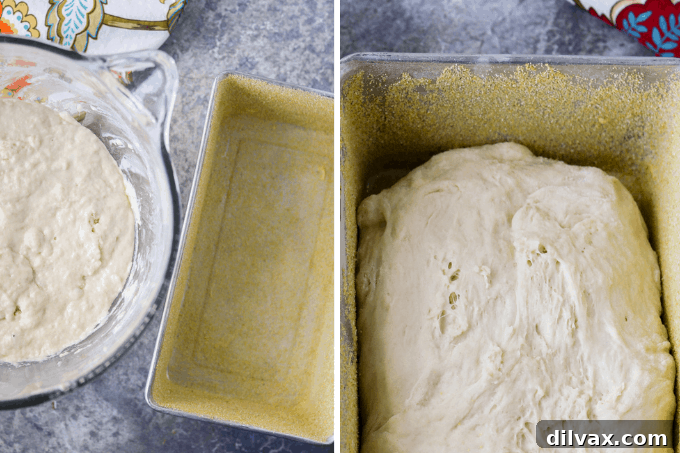
- Meticulous Pan Preparation is Key: Never skimp on generously greasing your two loaf pans with butter. After buttering, thoroughly dust the insides with cornmeal, ensuring an even coating across the bottom and up the sides. This crucial step serves a dual purpose: it prevents the dough from sticking to the pans, allowing for effortless removal after baking, and, more importantly, it contributes to the signature slightly crisp, golden-brown crust that beautifully mimics traditional English muffins.
- Create an Ideal Rising Environment: Yeast doughs thrive in warm, draft-free conditions. For a consistent and reliable rise, I often utilize my oven as a makeshift proofing box. Briefly preheat your oven to its lowest setting (around 170°F or 75°C) for just 5-10 minutes, then turn it off completely. Cover your loaf pans loosely with a clean kitchen towel and place them on the center rack of this gently warmed, turned-off oven. This gentle residual warmth provides the perfect environment for the yeast to activate effectively, leading to a beautifully risen, airy loaf. Always ensure the oven is off before the dough goes in to prevent killing the yeast.
- Leverage Your Electric Mixer: While mixing by hand is certainly possible, an electric stand mixer will make the dough preparation much easier and more efficient, especially for developing the proper gluten structure. Begin with the paddle attachment to smoothly combine the initial dry and wet ingredients. Once you start incorporating the remaining flour, switch to the dough hook attachment. The dough hook efficiently kneads the dough, developing the gluten necessary for that wonderfully chewy texture and aiding in the formation of those characteristic nooks and crannies. Mix until just combined; overmixing can lead to a tough bread.
- Mastering the Freeze for Future Feasts: This English Muffin Bread freezes exceptionally well, making it a fantastic option for meal prepping or ensuring you always have a homemade loaf on hand for unexpected guests or spontaneous cravings. To freeze, ensure the baked loaves are completely cooled to room temperature. Then, wrap each loaf tightly in a layer of aluminum foil, followed by an additional tight layer of plastic wrap. This double wrapping is crucial for preventing freezer burn and preserving freshness. When you’re ready to enjoy, simply transfer a frozen loaf to the refrigerator the night before to thaw slowly, or for a quicker method, place the foil-wrapped loaf directly into a warm oven (around 300°F/150°C) until thawed and warmed through.
- Patience During Cooling is a Virtue: The temptation to slice into a warm, fragrant loaf of bread straight from the oven is strong, but resisting is paramount for perfect results. Immediately after baking, remove the loaves from their pans and transfer them to a wire rack to cool completely. Slicing warm bread can compress its delicate internal structure, leading to a gummy or doughy texture. Allowing it to cool fully (which can take an hour or two) ensures the starches set properly, resulting in a perfectly textured crumb and a wonderfully crisp crust.
To Toast or Not to Toast? That is the Question!
One of the many delightful aspects of English Muffin Bread is its remarkable versatility, and deciding whether or not to toast it presents a delicious dilemma. Both preparation methods offer distinct pleasures, and it’s a bread that truly shines when enjoyed either way.
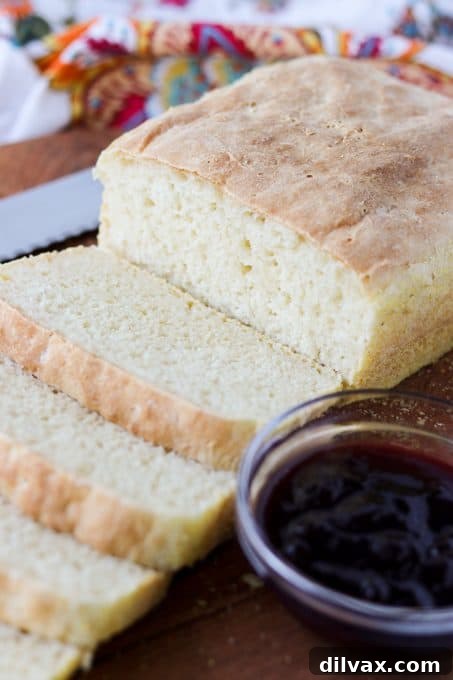
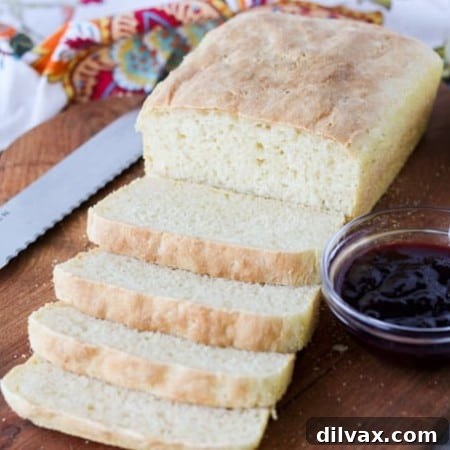
When this bread is fresh from the oven and has cooled completely, it represents a masterpiece in its purest form. The crust offers a satisfyingly crisp bite, while the interior remains wonderfully soft, airy, and fluffy – a perfect balance of textures. At this stage, it genuinely doesn’t require any toasting at all; a simple, generous spread of butter or a spoonful of your favorite jam is absolute perfection. Just a friendly reminder: always allow the loaf to cool thoroughly before attempting to slice it. Cutting into warm bread can compress its delicate internal structure, resulting in a dense and less appealing crumb.
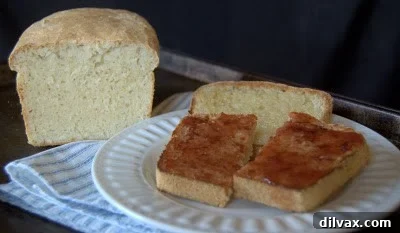
However, as the bread enters its second or third day, a quick trip to the toaster oven or a traditional toaster works absolute wonders. Just a minute or two of gentle toasting transforms the slices, imparting an irresistible extra layer of crispiness and intensifying its already delightful flavor. The gentle warmth from toasting is also magical for softening butter, allowing it to melt beautifully and seep into every single one of those wonderful nooks and crannies, further enhancing that iconic, porous texture. The choice, ultimately, is yours, and rest assured, you cannot go wrong with either option!
Explore More Delicious Breads and Muffins
Once you experience the immense satisfaction of baking this delightful English Muffin yeast bread, you might find yourself captivated by the rewarding world of homemade baking. It’s an incredibly fulfilling hobby, and there’s a vast universe of wonderful recipes just waiting to be explored!
- If you’re seeking other amazing breakfast muffin ideas to brighten your mornings, these Blueberry Cornmeal Muffins are guaranteed to be a crowd-pleaser! They’re bursting with juicy fruit flavor and boast a lovely, tender texture, making them an ideal addition to any breakfast or brunch spread.
- Sometimes, life moves too quickly to wait for yeast to rise. That’s precisely where quick breads come to the rescue, offering delicious results in a fraction of the time! For something decadently sweet and utterly indulgent, you’ll absolutely adore our rich and moist Double Chocolate Banana Bread. Alternatively, for a unique and refreshingly fruity twist, be sure to try our tropical Pineapple Bread.
- And let’s not overlook these phenomenal Cinnamon Roll Muffins! They ingeniously combine the best, most delicious aspects of fluffy yeast rolls and the convenience of a grab-and-go muffin, all in one irresistible package.
More Must-Try Yeast Bread Recipes to Expand Your Skills
There is truly nothing quite as comforting or inviting as the warm, yeasty scent of fresh baked bread wafting through your home. If you’ve enjoyed the rewarding process of making English Muffin Bread, these other yeast-based recipes are sure to become new family favorites and expand your baking repertoire:
- My family, along with countless happy bakers who have tried it, absolutely raves about this Homemade Italian Bread Recipe. It’s a fuss-free staple that’s perfect for accompanying almost any meal, from a simple soup to a elaborate holiday feast. Slice it thick for hearty sandwiches, or serve it proudly alongside beloved Italian classics like Lasagna or a rich Chicken Cacciatore.
- For an incredibly simple yet profoundly rewarding baking experience, this No-Knead Bread is nothing short of miraculous. It demands minimal effort – simply mix the dough, let it rest and rise for a few hours with no kneading required, and then it’s ready to bake into a rustic, delicious loaf with a beautiful crust and airy interior.
- Don’t forget to Bookmark and Pin These Other Fantastic Yeast Bread Recipes for future baking adventures:
- The Best Homemade Pizza Dough – for perfect homemade pizzas every time.
- Copycat Texas Roadhouse Rolls – soft, fluffy, and just like the restaurant favorite.
- Fragrant Rosemary Garlic Focaccia – an aromatic flatbread perfect for dipping.
- Beautiful Braided Challah Bread – a rich, sweet, and incredibly versatile bread.
- Hearty Whole-Wheat Oatmeal Bread – a wholesome and satisfying loaf.
- Copycat Olive Garden Breadsticks – warm, garlicky, and utterly addictive.
English Muffin Bread Recipe Card
English Muffin Bread
Created by: Lynne Feifer
- Course: Snack, Breakfast
- Cuisine: American
- Prep Time: 20 minutes
- Cook Time: 25 minutes
- Rising Time: 1 hour 30 minutes
- Total Time: Approximately 2 hours 15 minutes
- Yields: 24 slices (2 loaves)
A slice of this English Muffin Bread is the perfect accompaniment to your morning coffee. Full of nooks and crannies for holding warm butter and jam, this homemade bread recipe is easy enough for beginner bakers–with professional quality results!
Equipment
- Electric Mixer (stand mixer with paddle and dough hook attachments recommended)
- Two 8½ x 4½-inch loaf pans
- Small saucepan
- Wire cooling rack
- Clean kitchen towel
Ingredients
- Butter and cornmeal (for greasing and dusting loaf pans)
- 6 cups all-purpose flour, divided
- 4½ teaspoons active dry yeast (or 2 standard packages)
- 1 tablespoon granulated sugar
- 2 teaspoons salt
- ¼ teaspoon baking soda
- 2 cups milk
- ½ cup water
Instructions
- Generously grease the insides of two 8½ x 4½-inch loaf pans with butter. Then, thoroughly dust the buttered pans with cornmeal, ensuring an even coating. Set the prepared pans aside.
- In the large bowl of an electric mixer fitted with a paddle attachment, combine 3 cups of the all-purpose flour, active dry yeast, granulated sugar, salt, and baking soda. Mix on low speed until all the dry ingredients are well combined.
- In a small saucepan over low to medium heat, gently warm the milk and water until the mixture reaches a temperature between 120°F and 130°F (49°C-54°C). Use a thermometer to ensure accuracy, as this temperature is crucial for activating the yeast without killing it.
- Carefully pour the warm milk and water mixture into the dry ingredients in the mixer bowl. Beat on medium speed until a smooth, slightly thick batter forms, ensuring no lumps remain.
- Switch the paddle attachment to a dough hook. Gradually add the remaining 3 cups of flour, mixing on low speed until the dough comes together and is well combined. The resulting dough will be noticeably soft and quite sticky, not firm like traditional kneaded bread dough.
- Divide the sticky dough evenly between the two prepared loaf pans. Cover each pan loosely with a clean kitchen towel. Place the covered pans in a warm, draft-free environment (such as a turned-off oven that was briefly warmed to 170°F and then cooled slightly) to rise for approximately 1½ hours, or until the dough has visibly doubled in size and looks light and airy.
- About 15-20 minutes before the end of the rising time, preheat your oven to 400°F (200°C).
- Once the dough has fully risen, carefully place the loaf pans into the preheated oven. Bake for 25 minutes, or until the tops of the loaves are beautifully golden brown and sound hollow when gently tapped.
- Immediately after removing the loaves from the oven, invert them onto a wire rack to cool completely. This essential step prevents the bottom crust from becoming soggy and allows the bread’s internal structure to set properly, ensuring a perfect texture. Resist the urge to slice until fully cooled!
Nutrition Information (per serving)
(Based on 24 slices per recipe)
Serving Size: 1 slice (approx. 1g) | Calories: 135kcal | Carbohydrates: 26g | Protein: 5g | Fat: 1g | Saturated Fat: 1g | Polyunsaturated Fat: 1g | Monounsaturated Fat: 1g | Cholesterol: 2mg | Sodium: 216mg | Potassium: 82mg | Fiber: 1g | Sugar: 2g | Vitamin A: 34IU | Vitamin C: 1mg | Calcium: 29mg | Iron: 2mg
Did you make this recipe?
I would love to see your delicious creations! Share your photos with me on Instagram and make sure to follow me on Pinterest for more delightful recipes and daily baking inspiration. Don’t forget to tag me!
You can also easily share this recipe with friends and family:
- Email This Recipe to a Friend
- Pin This Recipe on Pinterest
- Share This Recipe on Facebook

Baking this English Muffin Bread always conjures up wonderful fond memories for me, and it remains a recipe that has truly stood the test of time. It serves as a beautiful testament to how simple, humble ingredients, combined with just a little time and thoughtful care, can transform into something truly extraordinary and deeply comforting. Whether you consider yourself a seasoned baking enthusiast or are just embarking on your exciting journey into the world of bread making, my sincere hope is that you discover as much joy and satisfaction in creating and sharing this wonderful bread as I have over the years.
Stay Connected for More Baking Inspiration!
Don’t miss out on any new recipes, helpful baking tips, or inspiring culinary ideas. Join our growing community by following us on social media and signing up for our exclusive newsletter!
~ FOLLOW ME ~
~ FACEBOOK ~ PINTEREST ~
~ INSTAGRAM ~ TWITTER ~
SIGN UP FOR THE WEEKLY 365 DAYS OF BAKING & MORE NEWSLETTER FOR EXCLUSIVE CONTENT AND UPDATES!

(This recipe was originally published on January 11, 2012, and has been updated and re-published with fresh content, expanded tips, and new photographs on September 29, 2021.)