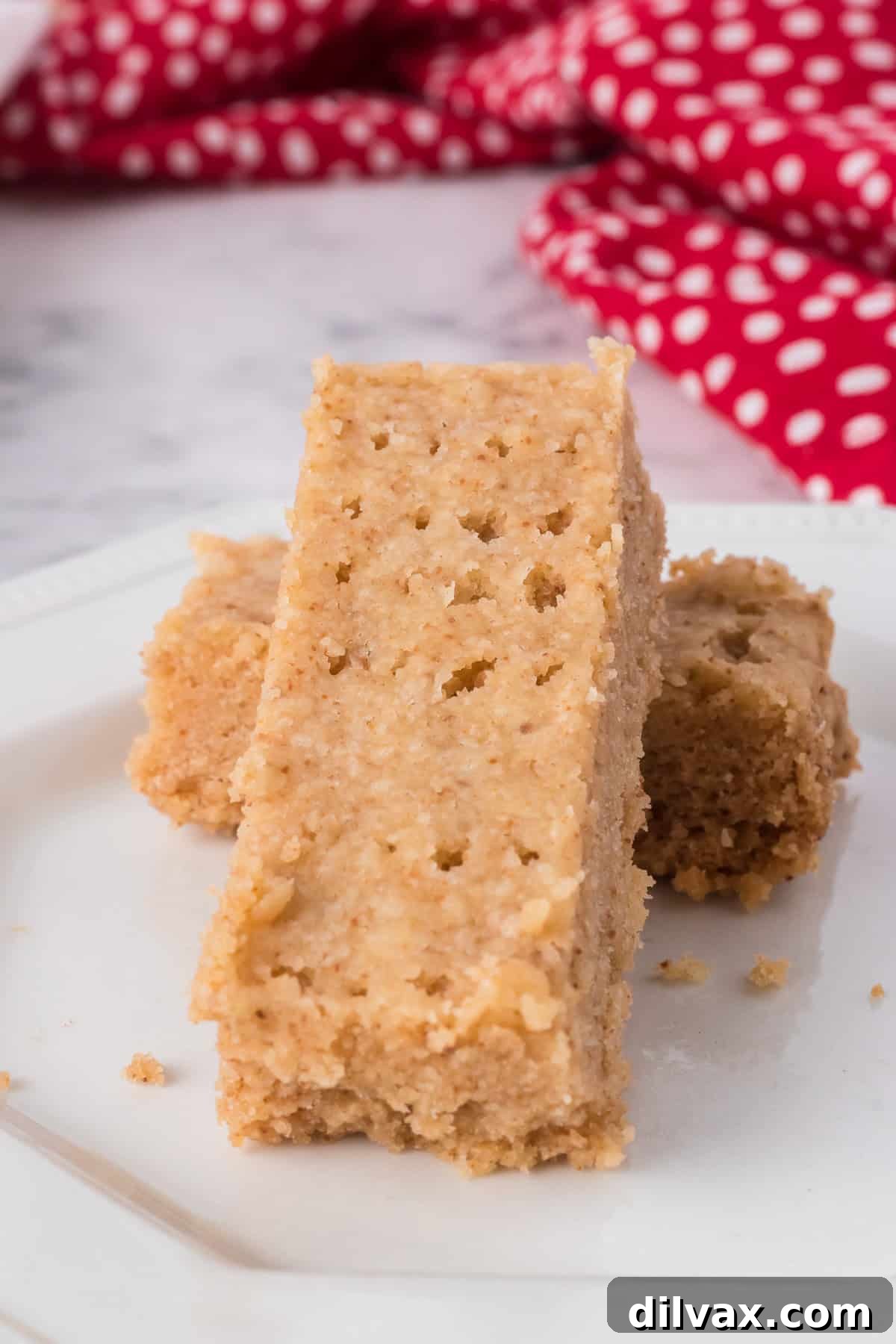
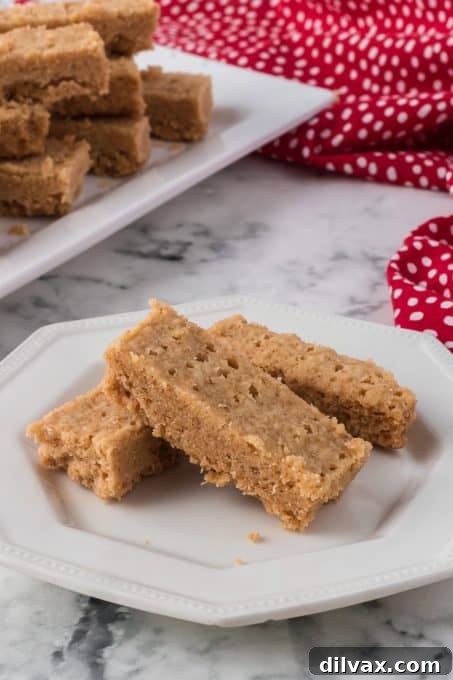
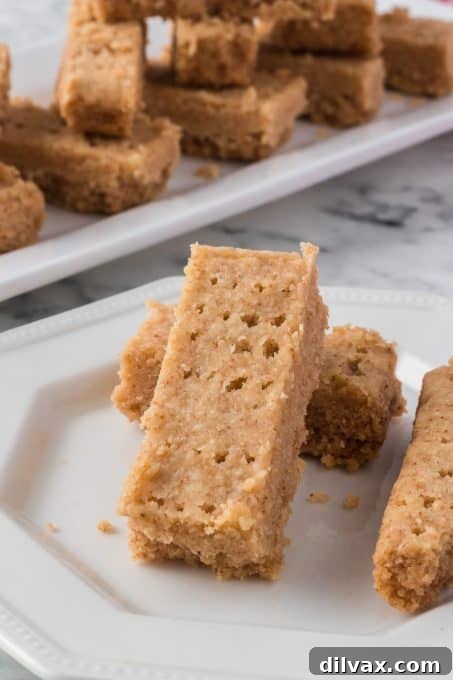
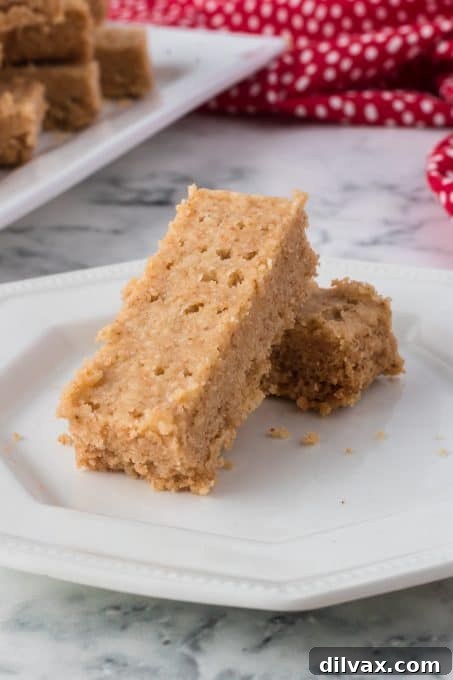
Indulge in the simplest yet most exquisite treat with this **Brown Butter Shortbread** recipe. Crafted with just three foundational ingredients, these cookies promise a luxurious, melt-in-your-mouth experience that redefines buttery richness. Once you taste the depth of flavor imparted by brown butter, you'll never consider a store-bought alternative again. This shortbread isn't just a cookie; it's an elevated culinary delight.
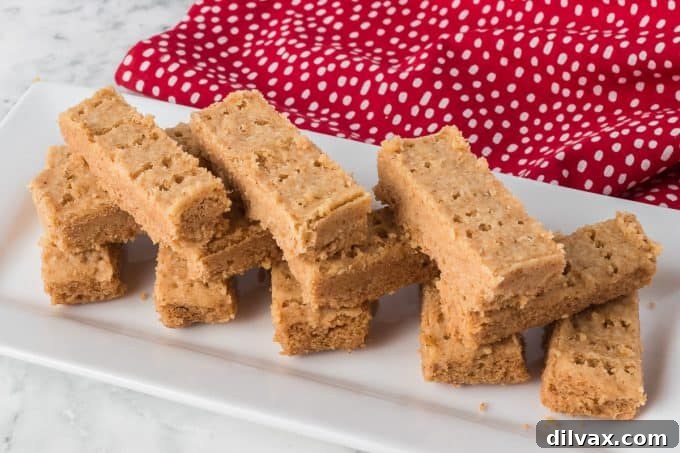
There's a reason classic shortbread recipes endure through generations. They offer timeless comfort, simplicity, and an irresistible flavor profile. This particular brown butter shortbread recipe takes that classic foundation and introduces a subtle yet profound twist, making these cookies an absolute standout. They are perfectly suited for a festive cookie exchange, a cozy holiday party, or simply to brighten an ordinary afternoon with a touch of elegance. As a personal favorite for Christmas baking, I find them incredibly rewarding to make.
While the dough might seem a tad delicate if you're new to the art of shortbread, don't be intimidated! With a few expert tips and a little patience, you'll master this recipe in no time. The result? Perfectly golden, crumbly, and deeply flavorful brown butter shortbread that will earn you rave reviews every single time. Get ready to elevate your baking skills and delight everyone with these buttery, nutty confections.
Welcome to a special baking journey through the holiday season! These Brown Butter Shortbread are Day 8 in our delightful series of festive treats. Make sure to explore the other days for even more amazing cookie recipes to complete your holiday spread!
Day 1 – Peppermint Chocolate Chip Cookies
Day 2 – Chocolate Crinkle Cookies
Day 3 – Chai Biscotti
Day 4 – Haystacks
Day 5 – Cherry Pie Bars
Day 6 – Cookies and Cream Cookies
Day 7 – Cranberry Orange Cookies
Day 8 – You’re on it!
Day 9 – Buckeye Cookies
Day 10 – Ricotta Cookies
Day 11 –
Day 12 –
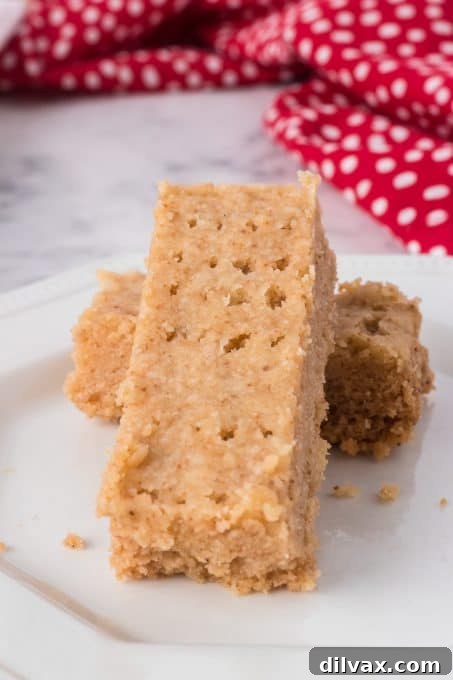
What is Brown Butter?
Brown butter, also known as *beurre noisette*, is a culinary game-changer that transforms ordinary butter into an ingredient of extraordinary depth and flavor. It's essentially butter cooked beyond its melting point until the milk solids separate and caramelize, turning a beautiful amber or golden-brown color. This process unlocks a rich, nutty aroma and flavor profile reminiscent of toasted hazelnuts, adding incredible complexity to any dish it graces.
The magic happens as the water evaporates from the butter, leaving behind milk solids and butterfat. As these milk solids continue to cook gently, they undergo the Maillard reaction, developing hundreds of new flavor compounds. The color shifts from pale yellow to golden, then to amber, and finally to a deep brown, all while releasing a distinct, inviting nutty fragrance. It’s crucial to keep a close eye on it, as the line between perfectly browned and burnt butter is incredibly fine.
In this brown butter shortbread recipe, the introduction of brown butter is a revelation. It takes the inherent richness of classic shortbread and infuses it with a warm, complex, and sophisticated nutty undertone without requiring any additional spices or flavorings. This technique elevates the cookie to a new level of indulgence while staying true to the beloved simplicity of a traditional shortbread. It's a simple step that yields monumental flavor rewards, making your homemade shortbread unforgettable.
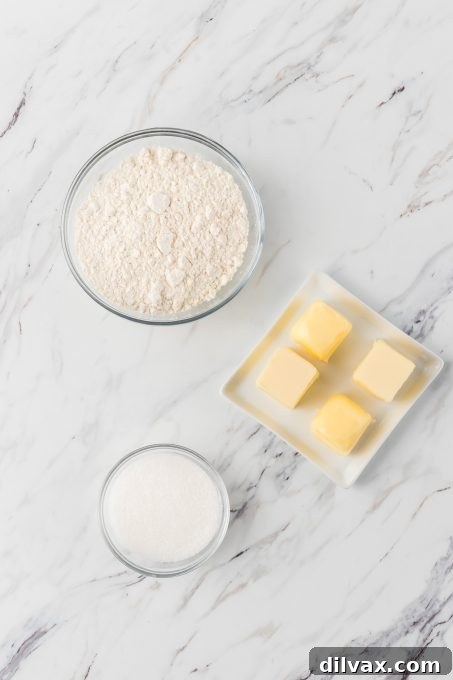
Brown Butter Shortbread Ingredients
The beauty of shortbread lies in its elegant simplicity, relying on just a few high-quality ingredients to create a truly magical cookie. This brown butter shortbread recipe proudly upholds that tradition, requiring only three basic items, yet delivering a flavor experience far beyond what its ingredient list suggests. Here’s what you’ll need to create these heavenly treats:
- Butter (room temperature): The star of the show! High-quality butter is paramount for shortbread. Bringing it to room temperature before browning ensures it melts evenly and browns consistently, allowing for optimal flavor development. The fat content is crucial for the tender, crumbly texture.
- Granulated white sugar: This provides sweetness and helps with the tender texture. Unlike many cookies, shortbread doesn't rely on sugar for spread, but rather for its delicate crumb and subtle sweetness that perfectly complements the rich butter flavor.
- All-purpose flour: The structural backbone of your shortbread. Using all-purpose flour helps achieve that classic shortbread texture – firm enough to hold its shape, yet exquisitely crumbly and tender.
That’s truly it! What’s notably absent are leavening agents like baking soda or baking powder, and this is entirely intentional. Shortbread is designed to be dense, rich, and crumbly, not light and airy. Some bakers enjoy adding a teaspoon of vanilla extract for an extra layer of flavor, which is a wonderful optional enhancement. However, for those who appreciate the unadulterated, pure essence of buttery richness, sticking to the three core ingredients allows the unique nutty notes of the brown butter to shine through most prominently. The choice is yours, but either way, the result will be undeniably delicious.
For precise measurements and detailed step-by-step instructions, please refer to the comprehensive recipe card provided below.
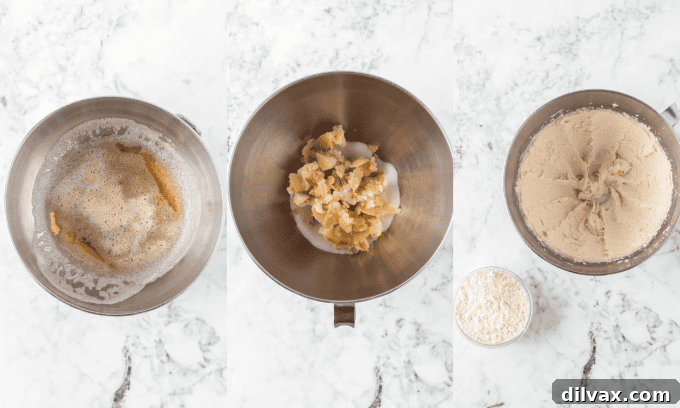
How to Make Homemade Brown Butter Shortbread
Crafting perfect homemade brown butter shortbread is a delightful and straightforward process, though it does require a little foresight due to the browning butter step. Follow these detailed instructions to achieve impeccably rich and tender shortbread every time:
- Plan Ahead for Optimal Butter Temperature: Before you even think about melting, bring your butter to a comfortable room temperature. This means setting it out on your counter for at least 30 minutes to an hour. Room temperature butter ensures that it melts uniformly and browns evenly in the pan, preventing some parts from burning while others are still melting. Remember, after browning, the butter will need another hour in the refrigerator to solidify again before you can proceed with the dough, so factor this cooling time into your baking schedule.
- Master the Art of Browning the Butter: Select a medium-sized saucepan or skillet, preferably one with a light-colored bottom, as this makes it easier to monitor the butter's color change. Melt your room-temperature butter over medium-high heat, stirring continuously with a wooden spoon or a heat-resistant rubber spatula. The butter will first melt, then foam, and finally, the milk solids will begin to separate and brown. Keep stirring and watching intently; you’re looking for a beautiful golden-brown color and a distinct, nutty aroma. As soon as you see this, immediately remove the pan from the heat and pour the browned butter into a separate heat-proof bowl. This stops the cooking process and prevents it from burning. Place this bowl in the refrigerator for at least one hour, or until the brown butter has solidified and reached a consistency similar to softened butter.
- Prepare Your Baking Pan: Preheat your oven to 350 degrees F (175°C). Line an 8x8 inch square baking pan with parchment paper, allowing some overhang on the sides. This parchment paper sling will be your best friend when it comes to easily lifting the baked shortbread out of the pan for neat slicing.
- Form the Exquisite Shortbread Dough: In a medium mixing bowl, or the bowl of a stand mixer fitted with the paddle attachment, combine your cooled, solidified brown butter and granulated sugar. Cream these two ingredients together on medium speed for about 2-3 minutes until the mixture becomes notably lighter in color and fluffy. This step incorporates air, contributing to the shortbread's delicate texture. Next, gradually add the all-purpose flour. Mix on low speed *just* until the flour is combined. Be very careful not to overmix, as this can develop the gluten in the flour, leading to tough shortbread. For a truly tender crumb, I often prefer to finish incorporating the flour by hand, gently kneading it into the butter mixture until a cohesive dough forms.
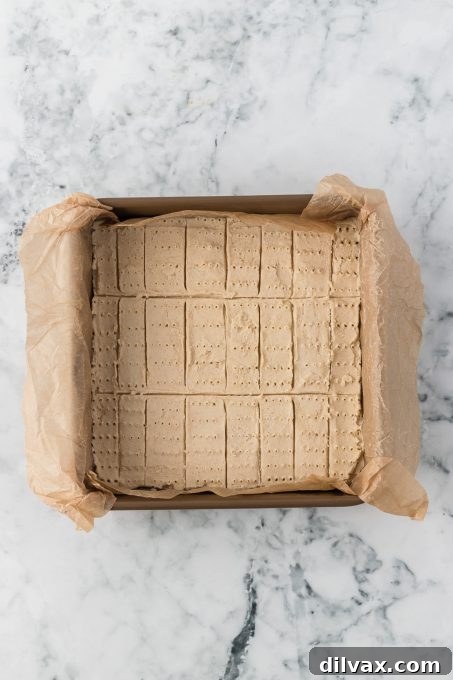
- Press the Dough Evenly: Transfer the shortbread dough to your prepared 8x8 inch pan. Using your hands, press the dough evenly into the bottom of the pan, spreading it all the way to the edges. It might initially seem like there isn’t quite enough dough to fill the pan, but with a little consistent pressure and patience, you'll find it spreads beautifully to create a uniform layer.
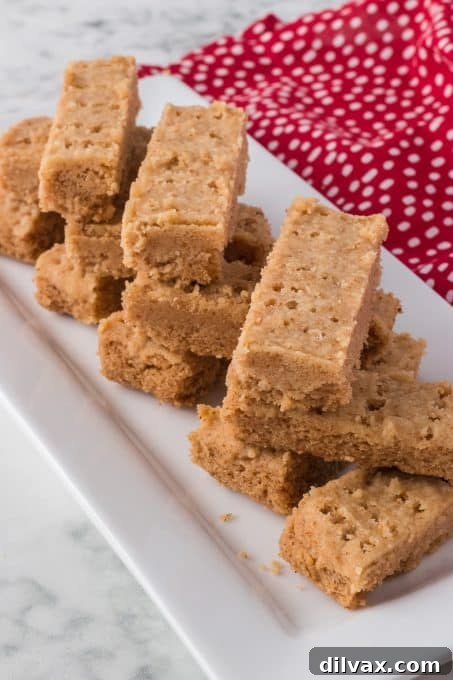
- Bake to Golden Perfection: Before baking, use the tines of a fork to prick the top surface of the shortbread dough all over. This helps steam escape and prevents air pockets. Then, with a sharp knife, lightly score the dough into 16 individual bars. This scoring isn't to cut all the way through, but rather to create guides that will make clean slicing much easier once the shortbread is baked and cooled. Bake your shortbread in the preheated oven for approximately 50-60 minutes, or until the edges are lightly golden brown and the center is set. Once baked, remove the pan from the oven and place it on a wire rack. Allow the shortbread bars to cool in the pan for 20-30 minutes. Once partially cooled, use the parchment paper overhang to carefully lift the entire slab of shortbread from the pan. Transfer it to the wire rack to cool completely. Once fully cooled, carefully cut along the pre-scored lines to separate your delicious brown butter shortbread bars.
Tips for Amazing Shortbread
Achieving truly exceptional shortbread is all about understanding a few key techniques and nuances. Here are some essential tips to ensure your brown butter shortbread turns out perfectly tender, buttery, and utterly irresistible every time:
- Don't Fear Crumbly Dough: Work it! Shortbread dough, especially when made with a higher butter ratio, can sometimes appear crumbly or dry after mixing. Do not add extra liquid! Instead, embrace your hands. The warmth from your palms helps to slightly soften the butter and bind the flour, sugar, and brown butter together. Gently knead and press the dough with your hands directly in the bowl until it comes together into a cohesive mass. This hands-on approach is often the most effective way to achieve the right consistency without overmixing.
- Bring Brown Butter Back to Room Temperature (Again): After browning and chilling your butter, it will be quite firm. For the best creaming consistency, allow this solidified brown butter to come back to room temperature before combining it with the sugar. Just like regular butter, softened brown butter creams better, incorporating more air and creating a lighter, fluffier base for your dough. This step is crucial for the shortbread's signature tender crumb.
- Press, Don't Roll: Handle with Care: Unlike many cookie doughs, shortbread dough isn't typically rolled out with a rolling pin, especially when baking in a pan. Instead, use your hands or a flat bottomed glass to press the dough evenly into your prepared baking dish. This method prevents the dough from crumbling excessively and ensures a consistent thickness, which is vital for even baking and that classic, dense shortbread texture.
- Precision in Flour Measurement is Key: Baking, particularly with shortbread, is a science. The ratio of butter, sugar, and flour is delicate. Using a kitchen scale to measure your flour in grams (approximately 120g per cup) is highly recommended for accuracy. If you don't have a scale, make sure to fluff your flour by stirring it within its container before lightly spooning it into your measuring cup, then leveling it off with a straight edge. Never scoop directly from the bag, as this can compact the flour and lead to using too much, resulting in dry, tough shortbread.
- Get Creative with Shapes: While shortbread bars are convenient and classic, don't feel limited! For a festive touch, you can easily use round cookie cutters or fun Christmas-themed shapes. If opting for cut-out cookies, transfer the dough to a parchment-lined baking sheet after shaping. Adjust baking time accordingly for smaller cookies – they will likely bake faster than a full slab.
- Don't Overbake: Shortbread should be pale golden, not dark brown. Overbaking will make them dry and hard rather than tender and crumbly. Keep a close eye on them during the last 10-15 minutes of baking.
Recipe Variations
While brown butter shortbread is absolutely divine in its pure form, its simple base makes it a fantastic canvas for creative customization. Experiment with these variations to tailor the shortbread to your taste or the occasion:
Sugar: For an extra touch of elegance and sweetness, dust the cooled shortbread cookies lightly with powdered sugar just before serving. Alternatively, for a delightful crunch and sparkle, sprinkle some coarse turbinado sugar over the shortbread as soon as it comes out of the oven. The residual heat will help it adhere beautifully.
Spices: Embrace the cozy flavors of the season by incorporating warm spices. Add 1/2 to 1 teaspoon of ground cinnamon, nutmeg, cardamom, or a pumpkin pie spice blend to the flour mixture. These spices perfectly complement the nutty notes of the brown butter, creating spiced shortbread that's ideal for autumn and winter festivities.
Citrus: Brighten up your shortbread with vibrant citrus zest. Finely grate the zest of one orange or lemon and add it to the butter and sugar mixture during the creaming stage. The citrus oils will infuse the cookies with a refreshing aroma and tangy flavor, providing a lovely contrast to the richness of the butter.
Add-ins: Introduce extra flavor and textural intrigue with various add-ins. Gently fold in a quarter to a half cup of finely chopped nuts (such as pecans, walnuts, or almonds), mini chocolate chips (dark, milk, or white), or finely diced dried fruit (like cranberries, cherries, or apricots) into the dough just before pressing it into the pan.
Dipping: For an undeniably decadent treat, dip half of your completely cooled shortbread bars into melted chocolate (dark, milk, or white). Allow the chocolate to set on parchment paper before serving. A sprinkle of sea salt or festive sprinkles on the wet chocolate adds an extra gourmet touch.
Sandwich: Transform your shortbread into an elegant dessert sandwich by pairing two cookies around a delicious filling. Spread a thin layer of your favorite jam (raspberry, apricot, or strawberry work wonderfully), lemon curd, or even a rich caramel sauce between two shortbread rounds or bars for a delightful bite.
FAQs About Brown Butter Shortbread
Here are answers to some common questions about making and storing this delicious brown butter shortbread:
How do you store Brown Butter Shortbread Cookies?
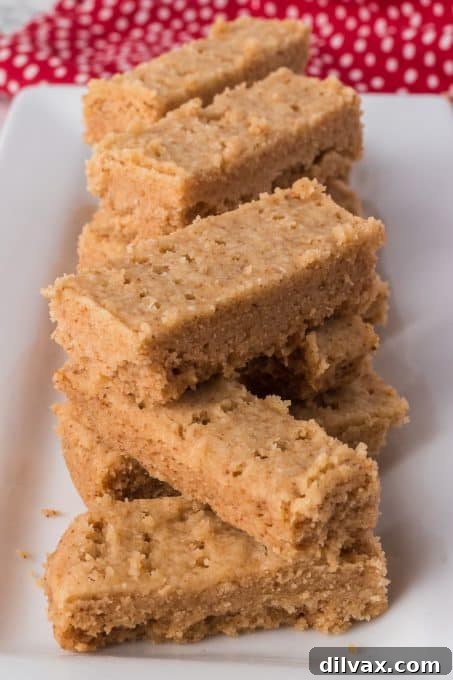
One of the many great qualities of shortbread is its excellent shelf life and ease of storage. Unlike some more delicate baked goods, brown butter shortbread does not require refrigeration. To keep your cookies fresh and crisp, store them in an airtight container at room temperature. They will maintain their delicious flavor and texture for up to a week. For best results, you can even place a piece of parchment paper between layers of cookies if stacking them, though it's often not strictly necessary.
Can I make these in advance?
Absolutely! This brown butter shortbread recipe is a fantastic choice for advanced preparation, making it perfect for busy holiday seasons or when you simply want to get ahead. You have a couple of excellent options:
- Bake and Freeze: You can bake the shortbread entirely, allow it to cool completely, and then freeze the baked bars. Follow the freezing instructions below. Thaw them at room temperature when you're ready to serve or gift them. They will taste as fresh as the day they were baked.
- Prepare the Dough and Refrigerate: For ultimate freshness when serving, you can prepare the shortbread dough in advance. Once the dough is made, wrap it tightly in plastic wrap (or press it into the prepared pan and cover securely with plastic wrap) and store it in the refrigerator for up to a week. When you're ready to bake, let the dough sit at room temperature for 15-30 minutes until it's pliable enough to press into the pan (if not already there). Then, bake as directed in the recipe.
Can you freeze Shortbread Bars?
Yes, these brown butter shortbread bars freeze exceptionally well! Freezing is an excellent way to extend their shelf life and ensures you always have a delicious homemade treat on hand. Once your shortbread is completely cooled, arrange the bars in an airtight freezer-safe container. For added protection and to prevent sticking, place a layer of parchment paper between each stack of cookies. Alternatively, you can place them in a heavy-duty freezer bag, removing as much air as possible. Shortbread can be frozen for up to 3 months. To enjoy, simply thaw the frozen bars at room temperature for a few hours before serving. They'll retain their delightful texture and flavor.
How are these different from sugar cookies?
While both are beloved, buttery cookies, shortbread and sugar cookies have distinct characteristics. The primary difference lies in their ingredients and ratios:
- Eggs: Sugar cookies typically include eggs, which contribute to their chewiness and often a slightly softer, more cake-like texture. Shortbread, on the other hand, traditionally does not contain eggs, which is a key factor in its characteristic crisp, tender, and crumbly texture.
- Ingredient Ratio: Shortbread has a much higher butter-to-flour ratio compared to sugar cookies. This abundance of butter is what gives shortbread its signature richness and melt-in-your-mouth quality. Sugar cookies tend to have a more balanced ratio, allowing them to hold intricate shapes better and often yielding a slightly firmer cookie.
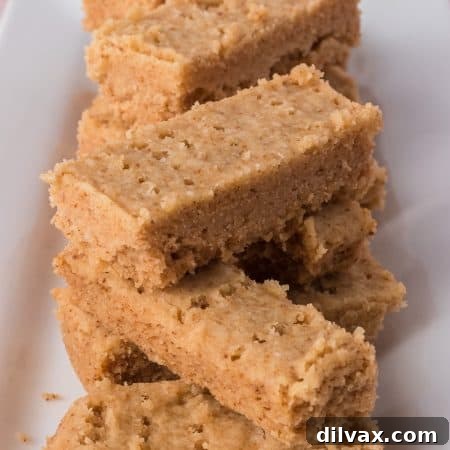
- Texture: Shortbread is known for being incredibly tender, crumbly, and almost sandy in texture, often dissolving on the tongue. Sugar cookies can range from crisp to chewy, depending on the recipe, but generally have a smoother, less crumbly bite than shortbread.
In essence, shortbread celebrates the pure flavor and texture of butter, while sugar cookies offer a versatile canvas for decorating and a slightly different textural experience.
Should I use Salted or Unsalted Butter?
You have flexibility here! Many bakers prefer to use unsalted butter in baking to have complete control over the salt content of the recipe. This allows you to add salt precisely as needed. However, if you typically bake with salted butter and enjoy a hint of salt to balance the sweetness, you can certainly use it in this brown butter shortbread recipe. If using salted butter, you might consider slightly reducing any additional salt called for in other recipes, though this shortbread recipe is simple enough that it shouldn't be an issue. The most important factor is using high-quality butter, regardless of whether it's salted or unsalted.
Looking for More Easy Recipes?
The holiday season often calls for delicious treats without all the fuss. These 3-ingredient recipes are perfect for those busy times when you need something quick, simple, and incredibly satisfying:
- 3-Ingredient Pretzel Hugs– Experience the perfect harmony of sweet chocolate and salty pretzels. These delightful little treats come together in no time, making them ideal for last-minute cravings or a quick party snack!
- 3 Ingredient Whipped Cream– Elevate any dessert with homemade whipped cream. Whether it's topping off a slice of pumpkin pie, enhancing a no-bake treat, or adding a cloud of luxury to hot cocoa, this surprisingly easy recipe creates a light and fluffy accompaniment.
- 3 Ingredient Peppermint Bark– This festive candy bark combines the rich flavors of white chocolate, dark chocolate, and a refreshing hint of peppermint. It’s an effortless and impressive gift for everyone on your holiday list.
- 3 Ingredient Grape Jelly Meatballs– Looking for an unbeatable appetizer? These incredibly simple meatballs, requiring minimal prep and just a few ingredients, are a guaranteed hit for holiday parties, tailgates, or any game day gathering.
- 3 Ingredient Peanut Butter Cookies– When a sweet craving strikes or little ones are seeking a quick snack, these super-easy peanut butter cookies are the perfect solution. They're deliciously satisfying and ready in a flash.
FOLLOW ME
FACEBOOK ~ PINTEREST
INSTAGRAM ~ TWITTER
YOUTUBE
Keep an eye out for more of my easy recipes each week!
Want to Save This Recipe?
Enter your email & I’ll send it to your inbox. Plus, get great new recipes from me every week!
By submitting this form, you consent to receive emails from 365 Days of Baking and More.
Brown Butter Shortbread
Ingredients
- 1 cup all-purpose flour
- ½ cup butter
- ¼ cup granulated sugar
Instructions
-
Before starting, cut butter into tablespoons and set out to come to room temperature at least 30 minutes – 1 hour before starting. This will make sure it melts evenly as it browns.
-
Melt butter in a medium light-colored skillet over medium-high heat while stirring constantly. If using a dark bottomed pan, it may be difficult to see the butter browning which could result in burning. As it cooks, the butter solids will begin to a golden brown while emitting a nutty aroma. Once golden, immediately remove from stove to stop cooking, and pour into a heat-proof bowl. Refrigerate for 1 hour for it to solidify before continuing.
-
Preheat oven to 300°F and line an 8 x 8-inch pan with parchment.
-
In a medium mixing bowl, cream the butter and sugar until light, about 2-3 minutes.
-
Add flour and mix until just combined, being careful not to overmix.
-
Press the dough evenly into the prepared baking pan. It may not seem as if there is enough dough, but you will be able to spread it to the sides.
-
Prick the top of the dough all over with the tines of a fork. Lightly score into 16 bars with a knife, so that it is easier to cut when cooled.
-
Bake for 50-60 minutes. Place pan on a wire rack and let it cool for 20-30 minutes before removing the bars from the pan with the parchment. Cut along scored lines.
Notes
- Do not leave the butter unattended as it cooks because it could burn. It can go from golden brown to burnt quickly, so keep an eye on it.
Nutrition
Did you make this recipe?
Share it with me on Instagram and make sure to follow me on Pinterest for more recipes.
Pin Recipe
Share Recipe