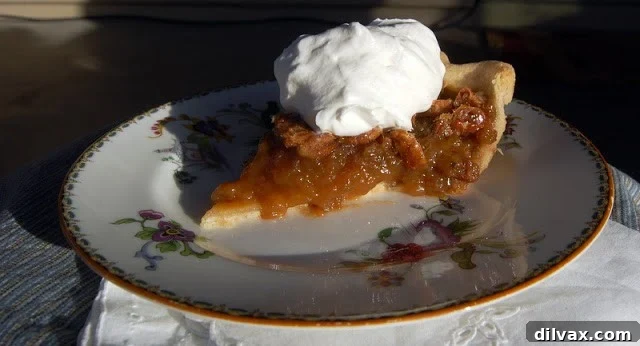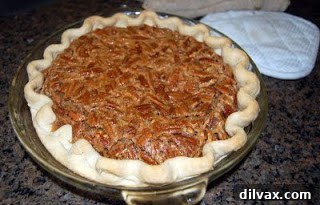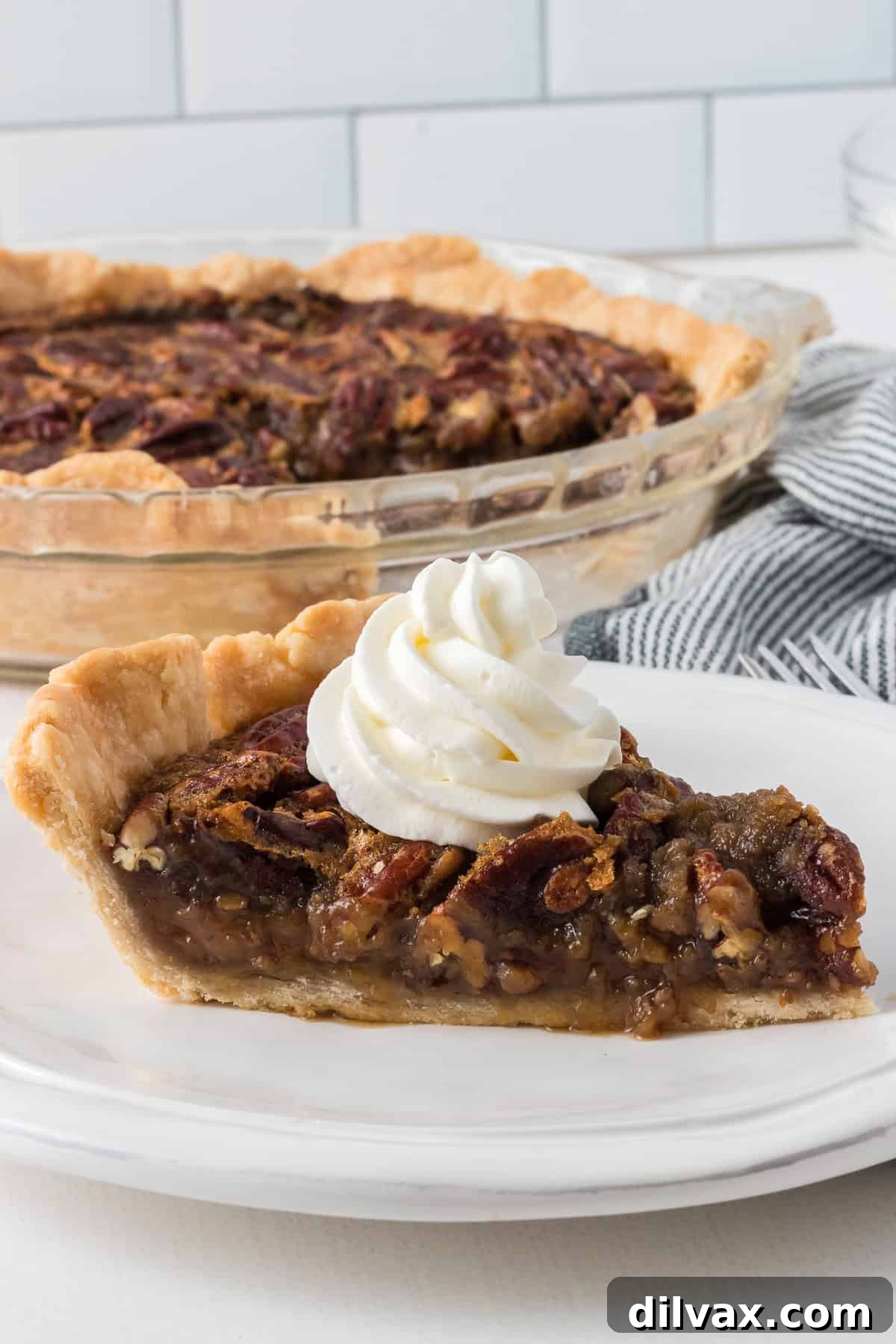
Pecan Pie isn’t just a dessert; it’s a culinary emblem of the American South, a heartwarming tradition cherished during the holiday season and beyond. This comprehensive guide will empower you to create a homemade pecan pie so exceptional, it will instantly become a cherished family favorite, leaving everyone craving another slice. We’ll embark on a journey from meticulously selecting the finest ingredients to mastering the delicate art of crafting a perfectly flaky pie crust, and finally, achieving that quintessential balance of lusciously gooey filling studded with delightfully crunchy pecans. Prepare to bake a pecan pie that not only tastes incredible but also tells a story of tradition, comfort, and pure indulgence. Your homemade pecan pie is destined to be the undeniable star of any table, whether it’s a festive gathering or a cozy family dinner!
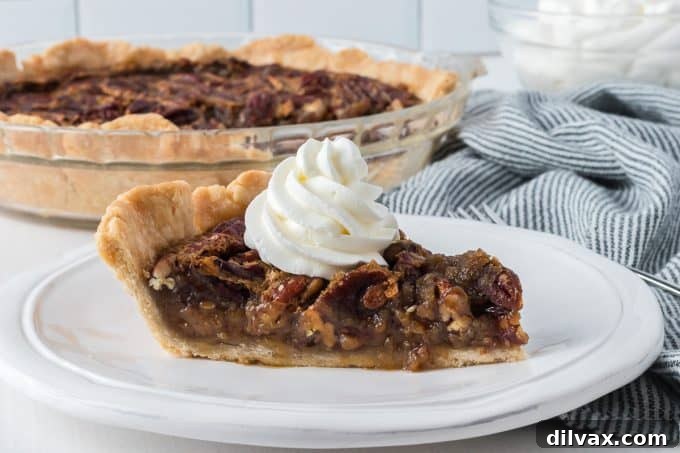
Why Pecan Pie Remains an Enduring Classic Dessert
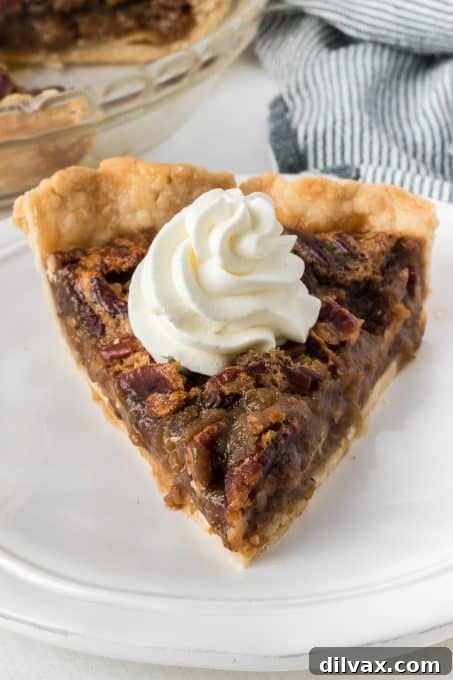
Few desserts boast the enduring appeal and timeless charm of pecan pie. Its status as a classic is well-deserved, stemming from a harmonious blend of flavors and textures that evoke comfort and nostalgia. At its core, the magic of pecan pie lies in the interplay between a golden, buttery, and impeccably flaky pie crust and a sweet, caramel-like custard filling. This rich, sticky base perfectly complements the earthy, slightly bitter notes and satisfying crunch of fresh pecans, creating an irresistible symphony with every forkful.
Beyond its delectable taste, pecan pie holds a special place in culinary culture, especially throughout the Southern United States. It’s more than just a sweet treat; it’s a symbol of hospitality, tradition, and festive gatherings. The aroma of a freshly baked pecan pie wafting from the kitchen is synonymous with holidays like Thanksgiving and Christmas, instantly transporting diners to a place of warmth and celebration. Its comforting flavors are deeply ingrained in the fabric of these occasions, making it an essential component of holiday feasts and family traditions.
Furthermore, the versatility of pecan pie contributes significantly to its lasting popularity. While undeniably magnificent on its own, it also serves as an exquisite canvas for a variety of accompaniments. A dollop of freshly whipped cream, a scoop of creamy vanilla bean ice cream, or even a drizzle of caramel sauce can elevate the experience, adding a touch of indulgence without overshadowing its inherent deliciousness. Its robust flavor profile also pairs wonderfully with a warm cup of coffee or a digestif after a satisfying meal.
The universal love for pecans in desserts is evident in many other beloved recipes. Consider the irresistible chewiness of Pecan Praline Cookies, where toasted pecans are folded into a sweet, buttery dough, or the decadent layers of a Pecan Pie Cheesecake Bar, offering a delightful twist on two dessert favorites. And for those who adore the combination of a fudgy brownie with the signature pecan pie filling, these innovative Pecan Pie Brownies are an absolute must-try. These examples underscore the enduring appeal of pecans and the comforting, rich flavors they bring to the dessert table, solidifying pecan pie’s place as a truly timeless culinary masterpiece.
SAVE THIS BEST PECAN PIE RECIPE TO YOUR FAVORITE PINTEREST BOARD!
The Rich History of Pecan Pie
The origins of pecan pie, like many time-honored dishes, are steeped in a blend of fact and delightful culinary folklore. While the pecan nut itself is native to the Southern United States and was a staple food for Native Americans long before European settlement, the pie as we recognize it today likely emerged in the late 19th century. Early settlers and Native Americans certainly enjoyed pecans, often using them in various forms, but a sugary custard-based pie was a later innovation.
One of the earliest documented recipes for a “pecan pie” appears in an 1886 cookbook by a Texan homemaker named Mrs. E. E. Braddock. However, this early version might have differed slightly from the incredibly popular iteration we enjoy today. It wasn’t until the 1930s that pecan pie truly cemented its place in American culinary history, largely thanks to the strategic marketing efforts of Karo syrup. By printing a recipe for pecan pie directly on their syrup bottles, Karo Foods inadvertently transformed a regional delicacy into a national sensation, making the recipe accessible to countless households across the country.
This widespread promotion, combined with the affordability of its core ingredients during the Great Depression, propelled pecan pie into an iconic status. It became a beloved dessert, particularly in the Southern United States, where pecans were abundant and deeply embedded in local cuisine. The sweet, nutty flavor, combined with its unique and comforting texture, quickly earned it a spot among our most cherished and celebrated recipes.
The evolution of pecan pie also saw variations emerge, blending it with other popular desserts. For instance, the ingenious combination of rich, fudgy brownies with the classic pecan pie topping in these Pecan Pie Brownies showcases how this beloved pie continues to inspire new creations. Who could possibly resist the chewy chocolate goodness infused with all the comforting flavors of a favorite pie? Its journey from a regional treat to a universally adored dessert is a testament to its simple yet profound deliciousness, making it a culinary staple that continues to evolve while retaining its classic charm.
Essential Ingredients for the Perfect Pecan Pie
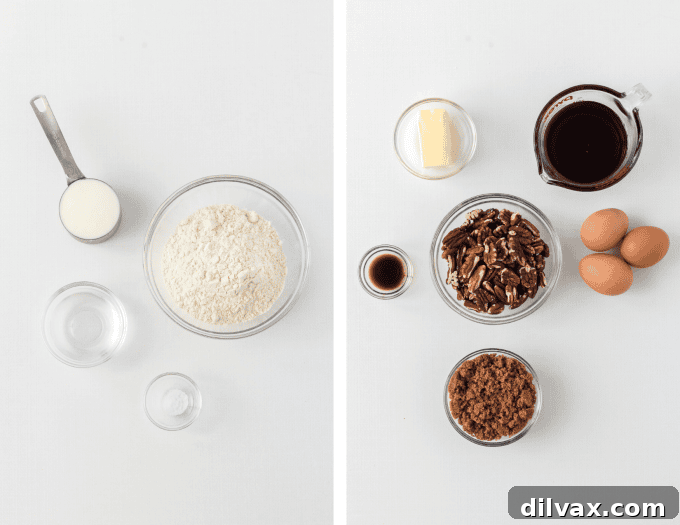
Creating an exceptional pecan pie starts with selecting the right high-quality ingredients. Each component plays a crucial role in achieving the desired balance of flavor and texture:
Pecans: The Star of the Show
As the name suggests, pecans are the undisputed star of this delightful pie. For the best flavor and crunch, it’s paramount to select fresh, plump, and aromatic pecan halves. Look for pecans that have a deep, uniform brown color and feel firm to the touch. Avoid any that appear shriveled, discolored, or have a faint, unpleasant rancid odor, as old pecans can impart a bitter taste. While you can certainly buy unshelled pecans and shell them yourself, opting for pre-shelled pecan halves offers convenience without compromising quality, especially if sourced from a reputable vendor. To further enhance their flavor, consider lightly toasting the pecans before adding them to the filling; this brings out their inherent nuttiness and provides an extra layer of depth.
Pie Crust: The Flaky Foundation
The crust is the backbone of any great pie, providing a crucial textural contrast to the gooey filling. For pecan pie, you need a crust that is not only incredibly flaky and tender but also sturdy enough to beautifully contain the rich filling. While a store-bought pie crust can be a convenient time-saver, there’s nothing quite like the satisfaction and superior taste of a homemade crust. Our preferred recipe calls for just four simple ingredients: all-purpose flour, a pinch of salt, solid vegetable shortening, and ice-cold water. The shortening creates pockets of steam during baking, which translates into an exceptionally flaky texture, while the salt balances the sweetness of the filling. Many bakers also opt for an all-butter crust for a richer flavor, or a combination of butter and shortening for the best of both worlds. Whichever you choose, ensure it’s prepared and handled correctly to prevent a tough or soggy bottom.
Filling Ingredients: The Sweet and Gooey Heart
The heart of a pecan pie is its luxurious, custardy filling, crafted from a few key components that work in synergy to create its signature sweet and sticky consistency:
- Eggs: These are vital for binding the filling ingredients together, providing structure and a rich, custardy texture to the pie. Without eggs, the filling would be a runny syrup.
- Dark Corn Syrup: This is the traditional sweetener and texture agent in pecan pie. Dark corn syrup provides a deep, molasses-like flavor and contributes significantly to the pie’s characteristic gooey, chewy consistency, preventing sugar crystallization. While light corn syrup can be used, it will result in a slightly less intense flavor and a lighter color.
- Dark Brown Sugar: Adding dark brown sugar alongside corn syrup deepens the caramel notes of the filling. Its molasses content contributes moisture, a richer flavor profile, and a beautiful golden-brown hue to the final product.
- Melted Butter: Butter is essential for imparting a rich, luxurious flavor and smooth mouthfeel to the filling. Melting it ensures it fully incorporates into the mixture, distributing its decadent essence evenly.
- Pure Vanilla Extract: A splash of high-quality vanilla extract is a non-negotiable flavor enhancer. It harmonizes with the other sweet ingredients and beautifully complements the nutty pecans, adding a subtle warmth and depth.
- A Pinch of Salt: Often overlooked, a small amount of salt is crucial for balancing the sweetness of the corn syrup and brown sugar. It prevents the pie from tasting cloyingly sweet and helps to highlight and intensify the flavors of the pecans and vanilla.
For adventurous bakers, a tablespoon or two of bourbon or rum can be added to the filling for an extra layer of sophisticated flavor, or a dash of cinnamon or nutmeg for a hint of spice. The exact quantities and detailed instructions for combining these wonderful ingredients can be found in the comprehensive recipe card below!
Crafting the Perfect Flaky Pie Crust for Pecan Pie
A truly exceptional pecan pie begins with an equally exceptional crust – one that is tender, flaky, and robust enough to cradle its rich filling without becoming soggy. While store-bought crusts offer convenience, creating your own from scratch is a rewarding process that yields unparalleled flavor and texture. Here’s a detailed guide to making your perfect pie crust:
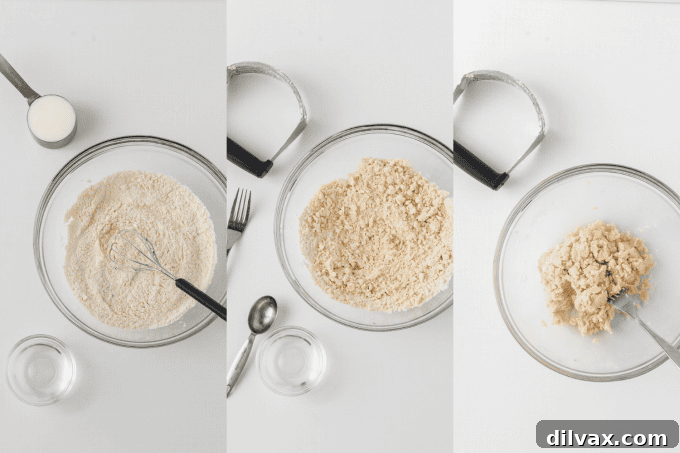
- Combine Dry Ingredients and Cut in Shortening: In a large mixing bowl, thoroughly whisk together the all-purpose flour and kosher salt. This ensures even distribution of the salt, which is vital for flavor balance. Next, add the cold, solid shortening. The key to a flaky crust is to keep the fat (shortening in this case) very cold. Using a pastry blender or two knives, cut the shortening into the flour mixture. Work quickly to prevent the shortening from melting. Continue until the mixture resembles coarse meal with some pea-sized pieces of shortening still visible. These small pockets of fat are what create steam during baking, resulting in those desirable flaky layers. Avoid overworking the dough at this stage.
- Incorporate Cold Water Gradually: Now, it’s time to introduce the liquid. Begin sprinkling ice-cold water over the flour and shortening mixture, one tablespoon at a time. Using a fork, gently mix the water into the dough. The emphasis here is on *gentle* mixing. Only add enough water until the pastry just begins to come together when pressed lightly between your fingers. It’s crucial not to add too much water, as this will activate too much gluten, leading to a tough, unyielding crust. You might find you need slightly more or less than the recommended amount; trust your judgment on the dough’s consistency.
- Expert Tip for Best Results: Chill the Dough: While not strictly a requirement if you’re truly pressed for time, chilling your pie dough for at least one hour (or even overnight) in the refrigerator is highly recommended. This allows the gluten to relax, which prevents the crust from shrinking excessively during baking. It also makes the dough much easier to handle and roll out, ensuring a smoother process and a superior end product. Wrap the dough tightly in plastic wrap before chilling.
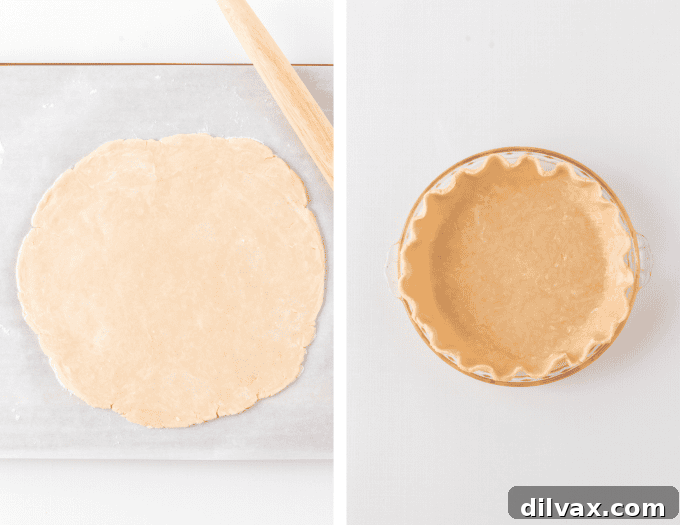
- Roll and Fit the Dough into the Pie Plate: Once chilled (if applicable), lightly flour a clean work surface and your rolling pin. Roll the dough out evenly, rotating it frequently, until it forms a circle approximately two inches larger than your 9-inch pie plate. Carefully transfer the rolled-out dough to the pie plate. Gently ease it into the pan, making sure it fits loosely but firmly, without stretching. Stretching the dough can cause it to shrink back significantly during baking. Trim any excess dough, leaving about a half-inch overhang, then fold it under and crimp or flute the edges beautifully. This decorative edge not only looks appealing but also helps prevent the filling from bubbling over. For an extra crisp crust, some bakers choose to blind-bake their crust for about 10-15 minutes before adding the filling, though for pecan pie, it’s often baked directly with the filling.
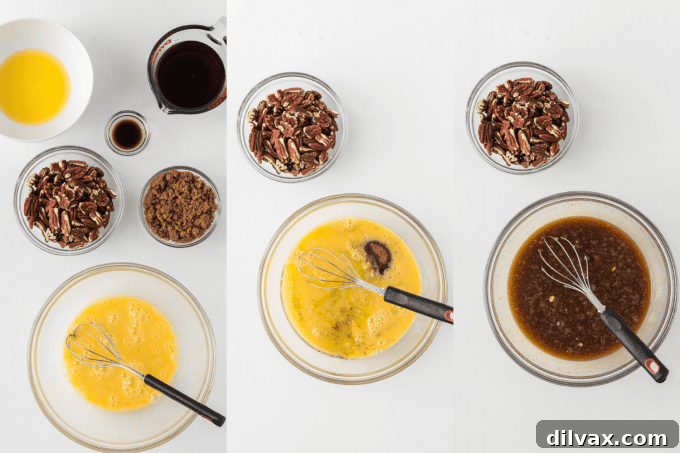
Crafting the Perfect Gooey Filling and Baking Your Pecan Pie
The filling is undoubtedly the heart and soul of any pecan pie, delivering that signature gooey sweetness and nutty crunch. Achieving the perfect balance and texture requires careful attention to detail during preparation and baking. Here’s how to create a luscious filling and bake your pecan pie to perfection:
- Prepare the Filling Base: In a large mixing bowl, gently beat the eggs with a fork or a wire whisk until the yolks and whites are fully blended and uniform in color. This ensures the custard sets smoothly. Next, add the dark corn syrup, dark brown sugar, melted butter, and pure vanilla extract to the beaten eggs. Blend these ingredients thoroughly until they are well combined and the mixture is smooth. Ensure the brown sugar is fully dissolved. For a deeper flavor, you might consider adding a tablespoon of your favorite bourbon or rum at this stage, which beautifully complements the richness of the pecans.
- Incorporate the Pecans: Once your filling base is ready, it’s time to add the star ingredient. Gently fold in the pecan halves, or coarsely chopped pecans, into the mixture. The goal is to evenly coat all the pecans with the rich filling. Be careful not to overmix at this stage; excessive stirring can incorporate too much air, which might lead to a less dense and desirable texture in the baked pie. Just enough mixing to distribute the pecans is perfect. For an aesthetically pleasing finish, you can reserve about a quarter cup of pecan halves to arrange artfully on top of the poured filling before baking, ensuring beautiful presentation.
- Bake to Golden Perfection: Place your prepared pie dish, with the pecan pie filling poured into the crust, onto a sturdy baking sheet. This serves two purposes: it makes transferring the pie to and from the oven easier and catches any potential drips, keeping your oven clean. Position the baking sheet on the lower third rack of your preheated oven, set to 425°F (220°C). Bake the pie at this initial high temperature for 15 minutes. This quick burst of heat helps to set the bottom crust quickly, preventing it from becoming soggy. After 15 minutes, reduce the oven temperature to 350°F (175°C). At this point, it’s crucial to cover the edges of the pie crust with aluminum foil strips to prevent them from burning and becoming too dark. Continue to bake for another 20-30 minutes, or until the edges of the filling are set and the very center of the pie still quivers slightly when gently nudged. The center should look like a firm custard, but with a slight jiggle. It’s absolutely essential not to overbake the pie, as this can result in a dry, dense, or rubbery filling.
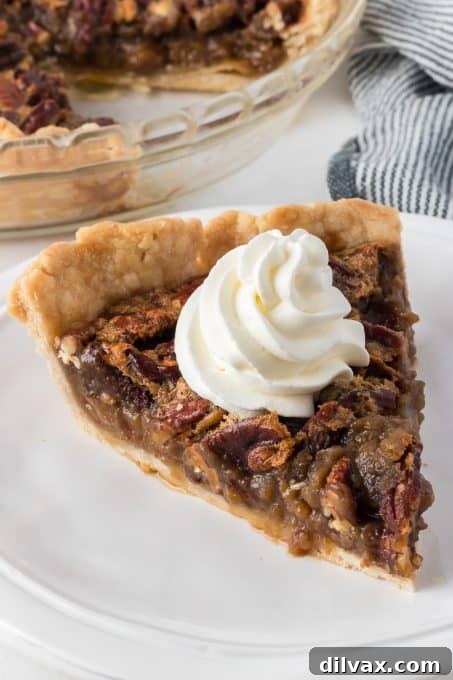
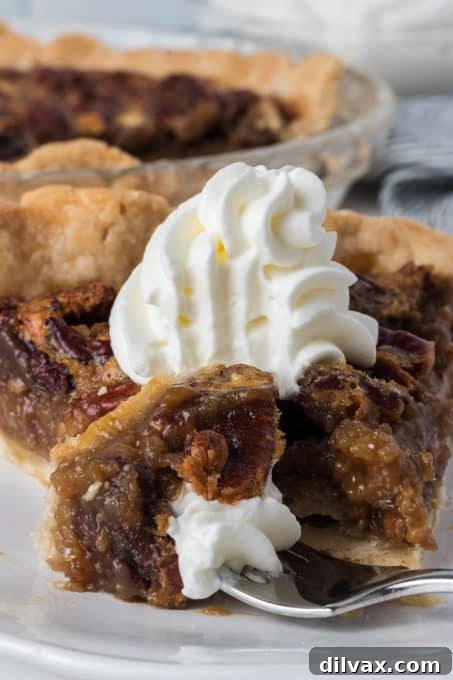
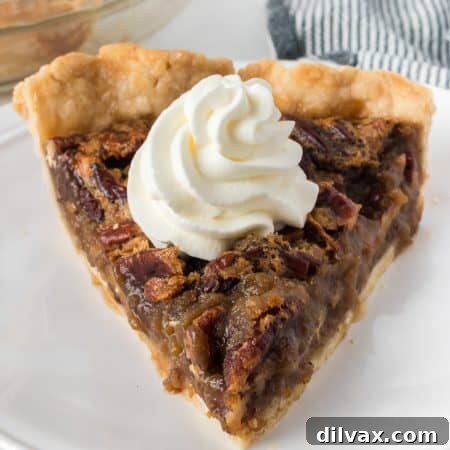
- Cool Completely and Serve: Once baked, carefully remove the pie from the oven. Allow it to cool for a few minutes in the pie dish, then transfer it to a wire rack to cool completely to room temperature. This cooling period is critical, as it allows the filling to fully set and firm up, ensuring clean and beautiful slices. Attempting to slice the pie while it’s still warm will likely result in a runny, messy filling. Once cooled, serve your magnificent pecan pie topped with a generous dollop of homemade stabilized whipped cream, a scoop of vanilla ice cream, or simply enjoy its pure, unadorned perfection.
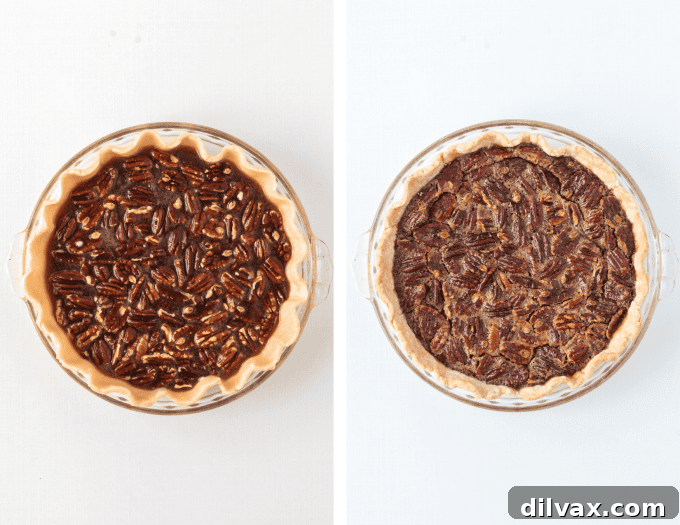
Common Mistakes to Avoid for a Flawless Pecan Pie
While pecan pie is a relatively straightforward dessert, certain common errors can prevent it from reaching its full potential. By being aware of these pitfalls, you can easily avoid them and ensure your homemade pecan pie turns out perfectly every time:
- Overbaking the Pie: This is arguably the most frequent mistake. An overbaked pecan pie results in a filling that is dry, crumbly, and tough, losing its signature gooey texture. The key to doneness is observing the center of the pie: it should be mostly set but still have a slight wobble or jiggle, similar to a firm gelatin, when gently shaken. The edges, however, should be firm. Once removed from the oven, the residual heat will continue to cook the pie, allowing the center to fully set during cooling.
- Underbaking the Pie: On the opposite end of the spectrum, an underbaked pecan pie will have a runny or unset filling. If the center is too liquid, it needs more time in the oven. Ensure you follow the recommended baking times, but more importantly, trust your visual cues. If you notice the crust getting too dark, cover it with foil and continue baking until the filling is properly set.
- Not Allowing the Pie to Cool Completely: Patience is a virtue when it comes to pecan pie. It is absolutely crucial to allow the pie to cool completely to room temperature before attempting to slice and serve it. The custard filling needs time to fully set and firm up. If you cut into the pie while it’s still warm, the filling will be too runny and will spill out, resulting in a messy slice rather than a beautifully defined one. This cooling period typically takes at least 2-3 hours, or even longer.
- A Soggy Bottom Crust: A common complaint, a soggy bottom crust can ruin the experience of an otherwise delicious pecan pie. To prevent this, ensure your oven rack is in the lower third of the oven, allowing the bottom of the pie to receive adequate heat. Starting with a higher initial baking temperature helps to quickly set the crust. Some bakers also swear by blind-baking the crust for about 10-15 minutes before adding the filling, especially if your pie tends to have a wet filling or you’ve experienced soggy bottoms in the past.
- Overmixing the Filling Ingredients: While you want the filling ingredients to be well combined, overmixing the eggs can incorporate too much air, which can lead to a frothy texture or cause the filling to puff up excessively in the oven and then collapse. Gentle whisking until just combined is sufficient.
- Using Stale Pecans: Pecans contain natural oils that can go rancid over time, imparting an unpleasant bitter flavor to your pie. Always use fresh pecans for the best taste. If unsure, taste a pecan before adding it to your recipe. Storing pecans in the freezer can significantly extend their freshness.
- Burning the Pie Crust Edges: The delicate edges of the pie crust tend to brown much faster than the center of the pie. To prevent them from burning, always keep a watchful eye. Once the edges begin to turn golden brown, after about 15-20 minutes of baking, loosely cover them with strips of aluminum foil or a pie crust shield for the remainder of the baking time.
By keeping these simple tips in mind, you’ll be well on your way to baking a pecan pie that is consistently perfect, with a wonderfully flaky crust and a perfectly set, gooey filling.
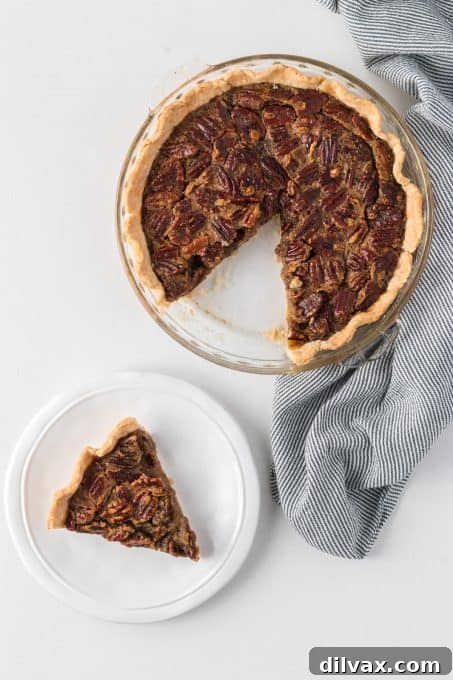
How to Store Leftovers and Enjoy Later
Proper storage is essential to maintain the freshness and quality of your homemade pecan pie. Once the pie has cooled completely to room temperature, any leftovers should be covered tightly. You can store the pie at room temperature for 1-2 days, especially if your kitchen is cool. For longer storage, or if your home is warm, it’s best to refrigerate the pie. When refrigerated, tightly covered pecan pie will remain fresh and delicious for 4-5 days. Ensure it’s in an airtight container or wrapped snugly with plastic wrap and then aluminum foil to prevent it from absorbing refrigerator odors or drying out.
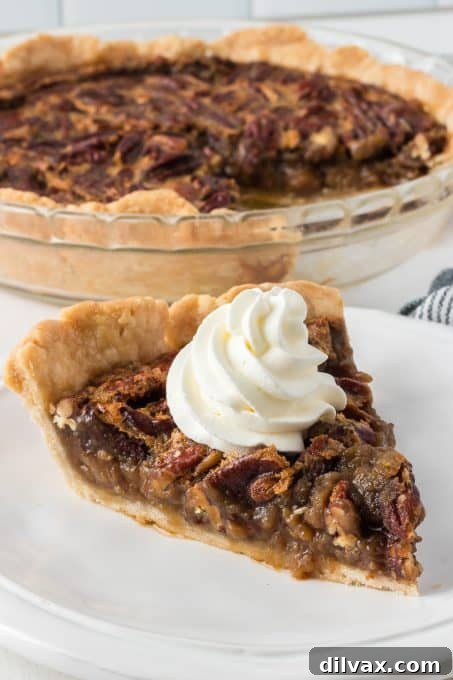
Can You Freeze Pecan Pie for Future Enjoyment?
Yes, absolutely! Pecan pie is an excellent candidate for making ahead of time and freezing, making it a fantastic option for holiday meal prep or unexpected guests. A baked pecan pie freezes remarkably well for up to 3 months, retaining its flavor and texture beautifully.
To freeze a whole baked pie, ensure it is completely cooled to room temperature. Then, wrap it securely first with several layers of plastic wrap, making sure it’s airtight. Follow this with a layer of heavy-duty aluminum foil. This double-layer protection is crucial for preventing freezer burn and preserving its quality. For individual slices, wrap each slice separately in plastic wrap and then foil before placing them in a freezer-safe bag or container.
When you’re ready to serve your frozen pecan pie, transfer it from the freezer to the refrigerator and allow it to thaw overnight. Once thawed, let it come to room temperature for about an hour before serving for the best flavor and texture. If you prefer a warm slice, you can gently reheat individual slices in a microwave for a short period or a whole pie in a low oven (around 250°F / 120°C) for 15-20 minutes, until just warmed through.
Can I Use Light Corn Syrup Instead of Dark Corn Syrup?
Yes, you can certainly use light corn syrup as a substitute for dark corn syrup in this pecan pie recipe. Both types of corn syrup will provide the necessary sweetness and help achieve the signature gooey texture that prevents sugar crystallization in the filling.
However, it’s important to note the slight differences this substitution will make:
- Flavor: Dark corn syrup has a richer, more robust flavor profile due to the addition of refiners’ syrup (a type of molasses). This imparts a deeper, more caramel-like taste to the pecan pie, which many traditionalists prefer. Light corn syrup, on the other hand, is milder and sweeter, with a less complex flavor.
- Color: As their names suggest, dark corn syrup will result in a darker, amber-hued filling, contributing to the classic deep brown appearance of pecan pie. Light corn syrup will yield a lighter golden-colored filling.
Ultimately, the choice between light and dark corn syrup comes down to personal preference for flavor intensity and visual appeal. If you prefer a traditional, richer, and darker pie, stick with dark corn syrup. If you prefer a slightly lighter, sweeter flavor and a brighter appearance, light corn syrup will work perfectly well. Either way, you’ll still achieve a delicious homemade pecan pie!
Now, armed with these detailed instructions and helpful tips, you are well on your way to baking a perfect pecan pie every single time. Enjoy the process, savor the aroma, and delight in the incredible taste of your homemade masterpiece! This recipe is proudly adapted from the esteemed Fannie Farmer Cookbook by Marion Cunningham, a testament to its classic and reliable nature.
FOLLOW US
FACEBOOK ~ PINTEREST
INSTAGRAM ~ TWITTER
YOUTUBE
Stay Tuned for More Easy and Delicious Recipes Each Week!
Want to Save This Recipe?
Enter your email & we’ll send it to your inbox. Plus, get great new recipes from us every week!
By submitting this form, you consent to receive emails from 365 Days of Baking and More.
Pecan Pie
Ingredients
Pie Crust
- 1 ½ cups flour
- ¼ teaspoon kosher salt
- ½ cup shortening
- 3-4 tablespoons cold water
Pie Filling
- 3 eggs
- 1 cup dark corn syrup
- ½ cup dark brown sugar
- 4 tablesppons butter
- 1 teaspoon pure vanilla extract
- 1 ¼ cups pecan halves or coarsely chopped
Instructions
Pie Crust
-
Mix the flour and salt. Cut in the shortening with a pastry blender or two knives.
-
Combine lightly only until the mixture resembles coarse meal or very tiny peas; its texture will be uniform but will contain crumbs and small bits and pieces.
-
Sprinkle water over the flour mixture, a tablespoon at a time, and mix lightly with a fork, using only enough water so that the pastry will hold together when pressed gently to each other.
-
Roll the dough out two inches larger than the 9-inch pie plate. Fit it loosely, but firmly into the pan. Crimp or flute the edges.
Filling
-
Place an oven rack in the lower third of your oven. This will help to ensure that the crust is nicely baked and not soggy. Preheat oven to 425 degrees.
-
Beat the eggs in a bowl with a fork or wire whisk until the yolks and whites are blended together.
-
Add the corn syrup, brown sugar, melted butter, and vanilla. Blend well.
-
Stir in the pecans, then pour the mixture into the pie shell.
-
Place the pie in the lower third of your oven, and bake pie for 15 minutes, then reduce the heat to 350° for 15-20 minutes, or until the edges are set and the center quivers slightly. Don’t over bake.
-
Let cool and top with whipped cream.
Nutrition
Did you make this recipe?
Share it with us on Instagram and make sure to follow us on Pinterest for more delicious recipes.
Pin Recipe
Share Recipe
This post was originally published on April 26, 2011, as Day 89 of our original 365 Days of Baking series. It has been thoroughly updated in format and with new, beautiful pictures on November 8, 2024, to bring you the best possible guide to making this classic dessert.