Crafting Perfect Homemade Soft Pretzels: A Family Baking Adventure with Alton Brown’s Recipe
There’s a special kind of magic that happens in the kitchen when you embark on a new baking adventure, especially when little hands are involved. Today, that magic revolved around flour, yeast, and the irresistible allure of Homemade Soft Pretzels. My eldest daughter and I rolled up our sleeves, ready to tackle Alton Brown’s highly-rated recipe from the Food Network website. The promise of warm, chewy pretzels, reminiscent of our beloved Auntie Anne’s and Wetzel’s Pretzels, was a powerful motivator. We’ve always adored those perfectly golden, salty treats, and the thought of recreating them at home felt incredibly exciting. As a seasoned home baker, I’ve learned the importance of approaching new recipes with an open mind, steering clear of any preconceived notions – a lesson certainly applied to this delicious journey.
The entire process of making these pretzels was an absolute joy, far more straightforward and less time-consuming than I initially anticipated. The most significant chunk of time was dedicated to letting the dough rise, allowing the yeast to work its wonders and transform simple ingredients into a pliable, airy mass. Beyond that, the hands-on stages flew by, filled with laughter and learning. One particular step, however, proved to be a delightful challenge: the art of shaping the pretzels. Those skilled pretzel makers at commercial stands make the U-shape and twist look effortlessly simple. While our first attempt came out surprisingly perfect, subsequent pretzels required a bit more concentration, prompting a moment of delightful overthinking – a tendency I admit to having from time to time in the kitchen. But even the imperfect pretzels were perfect in their own way, embodying the charm of homemade goodness.
This baking session wasn’t just about making pretzels; it was a full sensory experience and a wonderful bonding activity. My daughter, not just an enthusiastic baker, also took on the role of our official photographer, capturing the delicious moments every step of the way. Join us as we recount our journey to soft pretzel perfection!
The Essential Ingredients: Laying the Foundation for Deliciousness
Every great recipe begins with quality ingredients, and Alton Brown’s soft pretzels are no exception. The beauty of pretzels lies in their simplicity, requiring only a few pantry staples. Before the magic of yeast begins, it’s crucial to gather everything needed to ensure a smooth and successful baking process. Seeing these basic components laid out on the counter – the sugar, salt, water, yeast, flour, and butter – truly highlights the transformative power of baking. These humble items, in their precise measurements, hold the potential for a truly delightful culinary creation. The careful combination and interaction of these elements are what ultimately yield that distinctive pretzel flavor and texture we all crave.
Ingredients Before Rising
This image would capture the foundational ingredients – sugar, salt, water, active dry yeast, all-purpose flour, and melted butter – precisely measured and ready for combining. They sit in their respective bowls or containers, awaiting their transformation into a cohesive dough. This initial shot symbolizes the promise of homemade goodness, a testament to how simple components can create something extraordinary.
The Dough’s Journey: From Mixture to Magnificent Rise
The heart of any good soft pretzel is its dough. The process starts with activating the yeast, a crucial step that ensures a light and airy texture. Warm water and a touch of sugar provide the perfect environment for the yeast to bloom, transforming from dormant granules into a frothy, living mixture ready to leaven our dough. Once the yeast is lively, it’s combined with flour, salt, and melted butter, and mixed until a shaggy dough forms. This is where the kneading begins – whether by hand or with a stand mixer, it’s a vital step that develops the gluten, creating a smooth, elastic dough that’s a joy to work with. The dough needs to be resilient enough to hold its shape but pliable enough to stretch and twist.
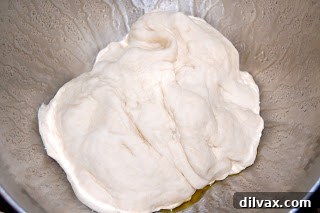
After a good kneading session, the dough is gently placed in a greased bowl, covered, and left in a warm spot to rise. This waiting period, typically around an hour, is often the longest part of the process, but it’s absolutely essential. It’s during this time that the yeast metabolizes the sugars, producing carbon dioxide gas that inflates the dough, causing it to double in size. The anticipation builds as you watch the dough slowly expand, a clear sign that the yeast is active and thriving. For our batch, a precise 55 minutes was all it took for the dough to reach its glorious, puffed-up state, signaling it was ready for the next exciting phase of its transformation.
Dough After Rising for 55 Minutes
This image would show the dough in a large bowl, visibly expanded and fluffy after its 55-minute rise. It would have a smooth, taut surface, perhaps with a few air bubbles peeking through, indicating a successful fermentation. The contrast between this expanded dough and the initial compact mixture is quite striking, showcasing the power of yeast and patience.
Shaping the Future: The Art of Pretzel Perfection
Once the dough has risen beautifully, it’s time for the real fun to begin: shaping! This is often considered the most iconic and, for some, the most intimidating part of making pretzels. First, the risen dough is gently deflated and divided into equal portions – for Alton Brown’s recipe, this typically means eight pieces. Each piece is then rolled out into a long, thin rope, approximately 24 inches in length. This step requires a gentle hand and even pressure to ensure a uniform thickness throughout the rope, which contributes to an evenly baked pretzel.
The real dexterity comes into play during the actual shaping. The standard pretzel shape involves creating a “U” with the dough rope, then crossing the ends over each other twice, and finally, bringing those ends down to attach to the bottom curve of the “U.” It sounds simple enough, but mastering the swift, fluid motion that pretzel masters possess takes practice. My daughter and I found ourselves giggling as we navigated the twists and turns. While my first attempt miraculously achieved a near-perfect classic pretzel form, subsequent attempts showcased a charming array of unique shapes – some a bit more abstract, but all made with love. This process truly highlights the handmade nature of these treats, where each pretzel tells a slightly different story.
Dough Separated and Rolled into a 24-Inch Rope
This image would feature the risen dough, portioned into eight equal pieces, with one or two of those pieces already rolled out into long, slender ropes, approximately 24 inches in length. The smooth, uniform texture of the rolled dough would be evident, ready for the crucial shaping step. This visual emphasizes the preparatory precision required before forming the iconic pretzel shape.
Holding the Ends, Making the U Shape, and Twisting
This image would illustrate the initial stages of pretzel shaping. A pair of hands would be holding the two ends of a long dough rope, forming a distinct ‘U’ shape. The next motion, where the ends are crossed over each other, would be either captured mid-action or clearly demonstrated, highlighting the first critical twist in creating the classic pretzel form. It visually explains the beginning of the shaping technique.
Bringing the Ends Down to the Bottom of the U
Following the twisting step, this image would show the next phase of pretzel formation. The twisted ends of the dough rope are now gently folded down and pressed firmly onto the bottom curve of the ‘U’ shape. This action secures the iconic pretzel knot, creating the distinctive three-hole design. The image would emphasize the delicate yet firm touch needed to adhere the dough ends without deforming the shape.
Shaping the Pretzel
This image would provide a broader view of the shaping process, perhaps showing several pretzels in various stages of being formed. It would capture the focus and precision involved, demonstrating the transition from a simple dough rope to the intricate, symmetrical design of a classic soft pretzel. It’s a moment of transformation, where raw dough becomes a recognizable culinary treat.
Still Shaping
This photograph would offer a closer look at the refining touches involved in shaping. It might show hands gently adjusting the curves or ensuring the ends are securely fastened, emphasizing the attention to detail required to achieve the desired aesthetic. It conveys the continuous effort and slight adjustments made until each pretzel attains its final, elegant form before moving to the next stage.
TA DA!! The Finished Shape
This image would proudly display a perfectly shaped pretzel, having successfully navigated all the twists and turns. It stands as a testament to the effort and care put into the shaping process, showcasing the classic pretzel form with its distinct loops and knot. This “ta-da” moment signifies readiness for the crucial boiling step.
The Boiling Bath: The Secret to that Signature Crust
Once all the pretzels are beautifully shaped, they’re carefully transferred to parchment paper, ready for their brief but essential bath. This step is what truly sets soft pretzels apart, contributing to their distinctive chewy interior and beautifully crisp, golden-brown crust. For Alton Brown’s recipe, this involves a quick dip in boiling water mixed with baking soda. The alkaline solution of the baking soda bath alters the pH of the dough’s surface, accelerating the Maillard reaction during baking. This reaction is responsible for the deep color, intense flavor, and that glorious, slightly crackled crust unique to pretzels.
Each pretzel is carefully dropped into the simmering baking soda solution for precisely 30 seconds per side. This quick blanching firms up the exterior of the dough, preventing it from collapsing in the oven and locking in moisture. It’s a delicate dance of timing; too short, and you won’t get the desired texture; too long, and the pretzel might become rubbery. Observing the pretzels swell slightly and take on a subtle sheen as they emerge from the bath is a satisfying sight. This crucial step is a testament to the science of baking, turning a simple dough into an iconic snack.
On the Parchment Paper Before Being Boiled
This image would show a collection of freshly shaped pretzels neatly arranged on a sheet of parchment paper, ready for their pre-baking ritual. Their uniform shapes and smooth surfaces are evident, highlighting the care taken in the shaping process. They await their brief immersion in the boiling solution, poised for the transformation that gives them their characteristic pretzel texture.
Boiling in Water and Baking Soda for 30 Seconds
This photo would capture a pretzel submerged in a pot of simmering water mixed with baking soda. Bubbles would gently rise around it, indicating the active boiling. The pretzel itself might show a slight change in texture or color, hinting at the chemical reaction taking place on its surface, which is crucial for developing its signature crust and flavor.
Removal from the Boiling Water with Two Spatulas
This image would depict a pretzel being carefully lifted out of the boiling water, likely dripping slightly. Two spatulas or a slotted spoon would be shown supporting the pretzel, demonstrating the gentle handling required to maintain its shape after its hot bath. The pretzel would appear slightly puffy and glossier, ready for the final preparations before baking.
Boiled vs. Unboiled Pretzels: A Clear Difference
This comparative image would clearly showcase the visual impact of the boiling step. On the right, pretzels that have undergone the baking soda bath would appear noticeably puffier, slightly larger, and possess a more defined, almost leathery skin. On the left, a batch of unboiled pretzels would look comparatively flatter and paler, emphasizing the crucial role of the boiling process in achieving the classic pretzel texture and appearance.
The Final Touches: Egg Wash and Salt, Then Golden Perfection
With the pretzels boiled and glistening, the final preparations before baking are swift but impactful. An egg yolk wash, often mixed with a tablespoon of water, is brushed over each pretzel. This step serves a dual purpose: it contributes to that beautiful, deep golden-brown hue and provides a sticky surface for the salt. Immediately after the egg wash, a generous sprinkle of coarse salt is applied. While pretzel salt is traditional, coarse sea salt works wonderfully, adhering perfectly to the egg-washed surface and delivering that satisfying salty bite that is synonymous with soft pretzels.
Then, into the preheated oven they go! The heat works quickly, transforming the pale, boiled dough into a deeply caramelized, aromatic delight. The kitchen fills with an intoxicating scent – yeasty, savory, and utterly comforting. In just a matter of minutes, the pretzels emerge, resplendent in their golden-brown glory, with a crispy exterior that gives way to a wonderfully soft and chewy interior. The anticipation while waiting for them to cool just enough to handle is almost unbearable, a true test of patience for any baker!
Brushed with Egg Yolk Before Baking
This image would capture the moment just before baking, where pretzels are neatly arranged on a baking sheet. Each pretzel would be glistening with a thin, even coat of egg yolk wash, which provides a rich color and shine. Coarse salt (or pretzel salt) would already be sprinkled over the top, adhering to the sticky egg wash, signifying readiness for the oven.
The Grand Reveal: A Taste of Homemade Excellence
The moment of truth arrived, and the results were nothing short of spectacular. Our homemade soft pretzels were absolutely delicious! They boasted a beautifully crispy crust on the outside, which gave way to an incredibly soft, warm, and chewy interior. The aroma alone was enough to make your mouth water – that distinct, yeasty, slightly sweet, and savory scent that defines freshly baked pretzels. Instead of traditional pretzel salt, we opted for coarse sea salt, and it was a fantastic choice, providing a satisfying crunch and burst of flavor that everyone thoroughly enjoyed.
To complement our golden-brown masterpieces, we whipped up a simple yet incredibly satisfying dipping sauce: a quick mix of half honey and half Dijon mustard. This sweet and tangy combination was the perfect partner to the savory pretzels, enhancing their flavor profile beautifully. It’s hard to imagine a more perfect snack or a more rewarding baking project.
The Finished Product with Honey Mustard Sauce
This final captivating image would showcase the glorious batch of freshly baked soft pretzels, perfectly golden-brown and glistening, perhaps still warm on a cooling rack or platter. Beside them, a small bowl of the homemade honey mustard sauce (1/2 honey, 1/2 Dijon mustard) would sit, ready for dipping. The pretzels would appear irresistible, inviting a grab-and-dip moment.
Final Thoughts and Rolling Pin Rating
This pretzel-making adventure was truly a resounding success and an experience I highly recommend. It’s a fantastic project to undertake, especially during school breaks or vacations, offering a wonderful opportunity for kids to get involved in the kitchen. My daughter certainly had a blast, from mixing the dough to proudly shaping her own pretzels. The hands-on nature of the recipe and the delicious outcome make it an incredibly rewarding activity for families looking for a fun and tasty way to spend time together. It teaches patience, precision, and the joy of creating something wonderful from scratch.
Considering the ease of the process, the sheer fun we had, and the exceptional flavor and texture of the finished product, Alton Brown’s Homemade Soft Pretzels recipe earns a stellar rating of 3½ rolling pins on my personal scale, where 4 rolling pins signifies the absolute best. This recipe is a keeper, promising many more happy baking days ahead. So, gather your ingredients, call your little helpers, and get ready to experience the pure delight of homemade soft pretzels!
Happy baking!