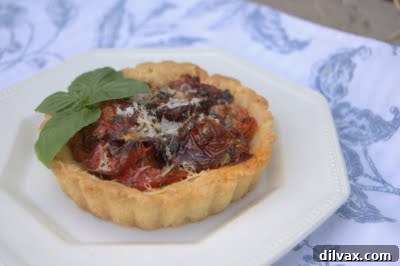
Rustic Roasted Tomato Tartlets: A Culinary Journey from Garden to Oven
There’s an undeniable magic in the simple act of roasting vegetables. The way humble ingredients transform under the gentle heat of the oven, their natural sugars caramelizing, flavors deepening into something truly sublime. Lately, I’ve been on a fantastic vegetable roasting kick, exploring everything from vibrant blue potatoes to the rich layers of a roasted vegetable chicken lasagna. Each culinary experiment has yielded delicious results, proving that sometimes, sticking with a good thing is the best policy.
Today, our culinary spotlight shines on the beloved tomato. Known for its versatility and bright flavor, the tomato offers endless possibilities in the kitchen. But as with any good story, this journey to delicious roasted tomato tartlets comes with a few unexpected twists and turns, proving that even in the kitchen, persistence and a good sense of humor are key ingredients.
The Unexpected Journey: From Garden Dreams to Fridge Fiasco
Our initial ambition was to use tomatoes straight from our own garden. Living in Arizona, we had high hopes for a bountiful summer harvest. Unfortunately, Mother Nature had other plans. We were incredibly disappointed with this year’s tomato crop; the intense Arizona summer heat, it seems, proved too much for these beautiful red orbs, unless meticulously shaded. It was a humbling lesson in gardening in extreme climates, reminding us that even with the best intentions, some things are beyond our control. But every setback is a learning opportunity, and we’re already looking forward to the fall, optimistically envisioning a future where fresh garden tomatoes grace our Christmas table. Imagine, a delectable stuffed tomato adorning Santa’s plate instead of traditional cookies!
With our garden dreams temporarily on hold, I turned to the local grocery store for our tomato supply. I purchased a lovely batch of Campari tomatoes, intending to use them immediately. However, as often happens in a busy kitchen, they ended up in the back of the fridge, forgotten for a day or two. When I finally went to retrieve them for these tartlets, I was greeted by a most unexpected sight:
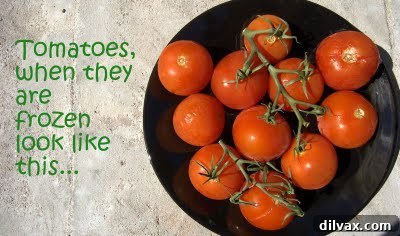
What I found were perfectly round, hard, and utterly frozen tomatoes. This is a peculiar, yet occasional, occurrence in the colder reaches of our refrigerator. It’s not the first time something has inadvertently frozen; a bowl of leftover salad, for instance, has been known to transform into “iceberg” lettuce overnight, rendering it completely inedible. Faced with these icy spheres, a quick solution was needed. Living in Arizona has its perks, and one of them is an abundance of sun and heat, even when you don’t necessarily want it. I placed the plate of frozen tomatoes outside, knowing that a minute in the desert sun would quickly bring them back to life. And thaw they did, alright!
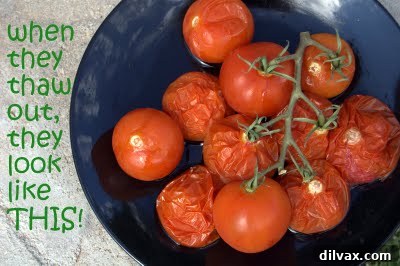
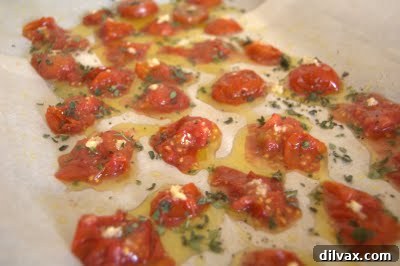
While thawed, the transformation wasn’t exactly what a baker dreams of. My beautiful, firm Campari tomatoes had turned into rather shriveled, uncooperative blobs. Attempting to slice them into neat rounds proved an exercise in futility; they much preferred to squirt their juicy contents all over the kitchen counter. Despite their less-than-ideal appearance, I was determined. I salvaged what I could, arranging the somewhat-mangled pieces onto the baking sheet. It wasn’t pretty, but the essence of the tomato was still there, and a baker’s gotta bake, darn it!
Crafting the Perfect Savory Treat: Roasted Tomato Tartlets
These rustic Roasted Tomato Tartlets are a testament to perseverance and the simple joy of creating something delicious, even when ingredients throw a curveball. This recipe yields four delightful 4-inch tartlets, perfectly sized for an appetizer or a light meal. For best results, I highly recommend using tartlet pans with removable bottoms, which make for easy serving.
The Foundation: Flaky Tart Pastry
A good savory tart begins with an excellent crust, and this pastry recipe from “The Fannie Farmer Cookbook Thirteenth Edition” by Marion Cunningham is a reliable classic. It’s simple, elegant, and provides the perfect sturdy, flaky base for our flavorful filling.
Ingredients:
1 cup all-purpose flour
1/4 teaspoon salt
1/4 pound (1 stick) cold unsalted butter, cut into small pieces
1 large egg yolk
2-3 tablespoons ice water
Instructions:
- In a medium-sized mixing bowl, combine the flour and salt. Whisk them together to ensure even distribution.
- Add the small pieces of cold butter to the flour mixture. Using a pastry blender, two knives, or even your fingertips (working quickly to prevent the butter from getting too warm), cut the butter into the flour until the mixture resembles coarse crumbs or small peas. The key here is to keep the butter cold, as this creates pockets of steam during baking, resulting in a wonderfully flaky crust.
- In a separate small bowl, lightly whisk the egg yolk. Add the egg yolk to the flour and butter mixture.
- Begin adding the ice water, one tablespoon at a time, mixing gently until the dough just comes together. Be careful not to overmix. I initially used two tablespoons but found that a third tablespoon was needed to achieve the right consistency. The dough should be smooth enough to form a ball but not sticky. It’s a delicate balance – you want it to hold together without becoming tough. If it’s still crumbling, add half a tablespoon more ice water.
- Once the dough forms a cohesive ball, flatten it slightly into a disk. Wrap it tightly in plastic wrap and refrigerate for at least 20 minutes. This chilling period allows the gluten to relax, making the dough easier to roll and preventing it from shrinking too much during baking.
- While the dough chills, preheat your oven to 425ºF (220ºC).
- After chilling, remove the dough from the refrigerator. Pull off pieces of the dough ball and press them evenly over the bottom and up the sides of your tartlet pans. Use your fingers to ensure an even thickness. The dough should be thick enough to hold the filling without tearing, but avoid making the bottom edge too thick, as this can make the finished tart seem coarse or heavy.
- Prick the bottom and sides of each dough-lined tartlet pan several times with a fork. This prevents the crust from puffing up excessively during baking.
- Bake the unfilled tartlet shells for 12 minutes, or until they are lightly golden brown and set.
- Carefully remove the tartlet shells from the oven and transfer them to a wire rack to cool completely before adding the filling. This step ensures a crisp, fully baked crust.
The Heart of the Tart: Roasted Tomato Filling
The star of these tartlets is the deeply flavorful roasted tomato filling. Roasting concentrates the natural sweetness of the tomatoes, creating a rich, savory base that pairs beautifully with herbs and cheese.
Ingredients:
1 lb. Campari tomatoes (Known for their juiciness, high sugar level, low acidity, and lack of mealiness. They are larger than cherry tomatoes but smaller and rounder than plum tomatoes. I chose them for their ideal slicing potential, which would have been perfect had they not been frozen first!)
1 teaspoon fresh marjoram, finely chopped
2 teaspoons fresh oregano, finely chopped and divided
1 clove garlic, minced
1/4 teaspoon salt
Freshly ground black pepper, to taste
1/4 cup extra virgin olive oil, divided
1/2 cup Gruyere cheese, freshly grated
2 teaspoons Parmesan cheese, freshly grated
Fresh basil leaves for garnish, if desired
Instructions:
- Preheat your oven to 400ºF (200ºC).
- Prepare a rimmed baking sheet by lining it with parchment paper. This prevents sticking and makes cleanup a breeze. Spray the parchment paper generously with olive oil to ensure the tomatoes don’t adhere.
- Carefully slice your tomatoes to about 1/4-inch thickness. Arrange the slices (or the less-than-perfect pieces, in my case!) in a single layer on the prepared baking sheet.
- Drizzle (oh, how I love that word!) 3 tablespoons of the olive oil evenly over the tomato slices.
- Sprinkle each tomato slice generously with the chopped marjoram, 1 teaspoon of the oregano, minced garlic, salt, and freshly ground black pepper. Ensure every piece is well seasoned for maximum flavor.
- Bake the tomatoes for 45-50 minutes, or until they are tender, slightly caramelized, and their juices have thickened. The roasting process will transform them, intensifying their sweetness and creating a wonderful depth of flavor.
Assembly: Bringing It All Together
Now for the exciting part – assembling these rustic beauties! The layering of cheese and roasted tomatoes creates a harmonious blend of textures and flavors.
Instructions:
- Take your cooled, pre-baked tartlet shells. Spoon 1 tablespoon of the grated Gruyere cheese into the bottom of each tart shell, creating a foundational layer of nutty, savory goodness.
- Carefully arrange a layer of your roasted tomato slices over the Gruyere cheese in each tart shell. Try to fit them snugly for an attractive presentation.
- Sprinkle the remaining Gruyere cheese evenly over the tomato layer in all four tartlets.
- Add another layer of roasted tomatoes on top of the Gruyere cheese, building up the filling.
- Divide the grated Parmesan cheese evenly among the four tarts, scattering it over the top layer of tomatoes. This will add a salty, umami kick and a beautiful golden crust when baked.
- Sprinkle the remaining 1 teaspoon of chopped oregano over the assembled tartlets.
- Finally, drizzle (there’s that delightful word again!) the remaining 1 tablespoon of olive oil over each tart. This adds richness and helps the crust crisp up.
- Place the assembled tartlets onto a rimmed baking sheet. This is a crucial step to prevent any oil or melted cheese from dripping onto the bottom of your oven, saving you from a smoky surprise and a messy cleanup!
- Place the baking sheet with the tartlets into the preheated oven and bake for an additional 15-20 minutes, or until the cheese is bubbly and golden brown, and the tartlets are heated through.
- Carefully remove the tartlets from the oven. Let them cool slightly in their pans before gently removing them.
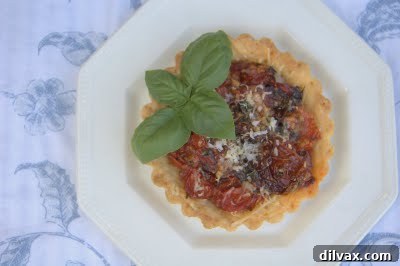
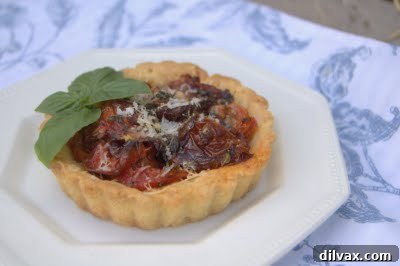
- Serve warm, garnished with fresh basil leaves if desired. Enjoy the rustic charm and delicious flavors of your homemade Roasted Tomato Tartlets!
Reflections and Refinements: My Tartlet Journey and Tips
Every baking adventure comes with its lessons and insights, and these roasted tomato tartlets were no exception. I rate all my baked goods on a personal scale of 1 to 4 rolling pins (don’t ask why 4, it just stuck!), and these tartlets earned a solid 2 rolling pins. Let me explain why, as there were a few key takeaways from this particular baking escapade.
First, despite the recipe’s intention to yield four tartlets, I only managed to produce two complete ones. I strongly believe this was due to the frozen-then-thawed tomatoes. Their squishy, difficult-to-slice nature meant I couldn’t get as many usable “slices” as I would have with fresh, firm tomatoes. If you use unfrozen, perfectly rounded tomatoes, you should absolutely have enough filling for all four tart shells. Okay, fine, I’ll admit it! We also may have “taste-tested” a few of the roasted tomatoes straight off the baking sheet because they were just that delicious. It’s a chef’s prerogative, right?! They were so incredibly flavorful that I almost diverted course and considered serving them in pasta with fresh mozzarella, basil, garlic, and olive oil. But alas, “there was baking to be done, darn it!”
Another point of reflection was the cheese choice. While Gruyere is known for its lovely nutty flavor and has performed beautifully in other dishes I’ve made, such as quiches, with chicken, and in classic macaroni & cheese, I found it gave these specific tartlets a slightly funny aftertaste that didn’t quite harmonize with the roasted tomatoes for my palate. Next time, I think I’ll opt for fresh mozzarella cheese. Its milder, creamier profile would likely complement the sweet, savory tomatoes beautifully without competing with their delicate flavor. This is a prime example of how personal taste can guide adjustments in any recipe, and I encourage you to experiment with your favorite cheeses!
In summary, despite the gardening woes and the unexpected freezing incident, these Roasted Tomato Tartlets were a delightful culinary experiment. They remind us that even when things don’t go exactly as planned, the process of cooking and baking, and the eventual enjoyment of a homemade meal, is incredibly rewarding. Don’t be afraid to adapt, learn, and most importantly, savor every bite!
Happy baking, and may your kitchen adventures always be flavorful!