The Ultimate Homemade Spinach, Bacon & Gruyère Quiche: A Savory Delight for Any Meal
There’s an undeniable charm and comforting appeal to a perfectly baked quiche. While culinary jokes might suggest it’s a dish for a specific palate, the truth is, a well-made quiche is a universal crowd-pleaser, perfect for any meal from a sophisticated brunch to a hearty dinner. In our home, quiche has always been a beloved staple, especially among the younger family members. Interestingly, even my husband, who once claimed not to be a “fan of quiche,” has been thoroughly won over by this particular recipe!
After a brief hiatus from making this delightful dish, I decided it was time to rekindle the tradition. This revival served a dual purpose: crafting a delicious family dinner and generating fresh content for the blog. What I hadn’t quite prepared for was the unexpected journey through oven temperatures and baking times. But fear not! I’ve gathered all my insights and resolved the quiche-baking mystery so you can achieve a flawless result without the trial and error.
This comprehensive guide will walk you through creating a magnificent Spinach, Bacon & Gruyère Quiche, featuring a rich, flaky homemade crust and a luscious, savory filling. It’s a dish that embodies versatility and gourmet taste. To ensure your quiche emerges perfectly set and ready to enjoy at the optimal time, I highly recommend reading through the entire post, paying special attention to the nuanced discussion on oven temperatures. Let’s embark on this delicious baking adventure together!
Classic Spinach, Bacon & Gruyère Quiche: Step-by-Step Recipe
This recipe builds upon the reliable foundation of a classic pastry shell, adapted from the esteemed Fannie Farmer Cookbook Thirteenth Edition (p. 639), penned by Marion Cunningham and published by Alfred A. Knopf, Inc., a division of Random House, Inc. (ISBN 0-394-56788-9). My personal baking experiences and subtle modifications aim to enhance both flavor and texture for an exceptional homemade quiche.
Part 1: Crafting the Perfect Flaky Pastry Shell (For a 9-inch pie)
The foundation of an outstanding quiche is undeniably its crust. A tender, flaky pastry shell provides a delightful textural contrast and flavor base for the rich filling. While store-bought options offer convenience, investing a little time in a homemade crust truly elevates the entire culinary experience.
Ingredients for the Pastry Shell:
- 1½ cups all-purpose flour
- ¼ teaspoon salt
- ½ cup cold shortening (or unsalted butter, cut into small cubes, for richer flavor)
- ¼ teaspoon dried dill (optional, for a subtle, aromatic hint)
- 3-7 tablespoons ice-cold water (start with 3-4, then add more gradually as needed)
Instructions for Preparing the Pastry Shell:
- Combine Dry Ingredients: In a medium-sized mixing bowl, thoroughly whisk together the flour and salt. This ensures even distribution.
- Cut in Shortening: Add the very cold shortening (or butter) to the flour mixture. Using a pastry blender, two knives, or even your fingertips, work the shortening into the flour. The goal is to achieve a mixture that resembles coarse meal with some pea-sized pieces of fat still visible. Avoid overmixing; these small fat pieces are essential for creating a flaky crust.
- Add Dill (Optional): If you choose to include the dried dill, sprinkle it into the mixture now and gently combine.
- Introduce Water Gradually: Begin sprinkling the ice-cold water over the flour mixture, one tablespoon at a time. Mix lightly with a fork after each addition. Continue adding water until the dough just barely comes together when you gently press a portion between your fingers. The exact amount of water can vary based on flour type and environmental humidity; I’ve found myself using closer to 7 tablespoons at times.
- Roll Out the Dough: Lightly flour a clean work surface. Gather the dough into a ball and then roll it out into a circle that is approximately 2 inches larger than your 9-inch pie pan. This extra circumference allows for proper fitting and crimping.
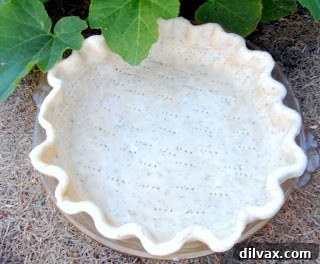
- Fit into Pan: Carefully transfer the rolled-out dough into the pie pan. Gently press it into the pan’s contours, ensuring it fits loosely but securely without stretching the dough, which can lead to shrinking during baking.
- Crimp the Edges: Create a decorative edge by crimping or fluting the pastry. This not only adds to the visual appeal but also helps the crust maintain its shape.
- First Stage Blind Baking: Preheat your oven to a high temperature of 450ºF (230ºC). Line the pastry shell with a double layer of aluminum foil, pressing it gently against the sides and bottom. Bake for 8 minutes.
- Second Stage Blind Baking: Carefully remove the aluminum foil. Return the pie crust to the oven and bake for an additional 8 minutes, or until the crust appears set and relatively dry.
- Address Residual Moisture (Highly Recommended): If, after the second stage, the bottom of your crust still looks bubbly or feels moist, it’s beneficial to take an extra step. Place a piece of parchment paper over the crust and fill it with ceramic pie weights, dried rice, or dried beans to weigh it down. Bake for another 10 minutes. This helps ensure a thoroughly dry and lightly golden-brown base, preventing a soggy bottom. (A note from experience: I once inadvertently pricked the crust, forgetting this isn’t ideal for blind baking as it can create tiny holes where filling might seep. While it turned out fine, skipping the pricking leads to a more perfectly sealed crust!)
- Prepare for Filling: Once your crust is perfectly blind-baked, reduce the oven temperature to 325ºF (160ºC). This lower temperature is crucial for the final bake with the filling.
Part 2: Assembling the Rich and Flavorful Filling
The heart of our quiche is its robust and creamy filling. This blend of crispy bacon, tender spinach, and the distinctive nutty notes of Gruyère cheese creates a harmonious flavor profile that is both comforting and sophisticated.
Ingredients for the Filling:
- 4 slices thick-cut bacon
- ½ cup finely chopped yellow onion
- 1 large garlic clove, minced
- 1 (8 oz.) bag fresh spinach, roughly chopped (ensure you remove it from the bag first!)
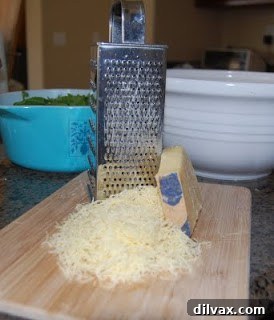
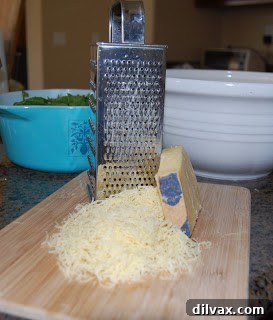
- 1 cup shredded Gruyère cheese
- 4 large eggs, lightly beaten
- 1½ cups whole milk (or half-and-half for an even richer custard)
- 1 tablespoon all-purpose flour
- ¼ teaspoon salt
- Freshly ground black pepper to taste
Instructions for Preparing the Filling:
- Cook the Bacon: In a large skillet, cook the bacon over medium-high heat until it is delightfully crispy. Once cooked, remove the bacon and place it on a plate lined with a paper towel to drain any excess grease. Once cooled, crumble the crispy bacon into small pieces.
- Sauté Aromatics: Leave approximately 1 tablespoon of the bacon drippings in the skillet (discard any excess). Add the finely chopped onion and minced garlic to the skillet. Sauté over medium heat for about 3-4 minutes, stirring occasionally, until the onions are softened and translucent, and the garlic is fragrant. Be mindful not to let the garlic brown or burn.
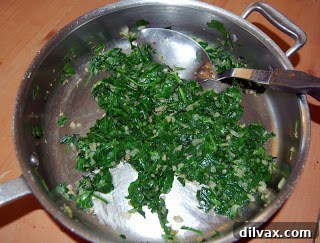
- Add Spinach: Introduce the roughly chopped fresh spinach to the skillet with the sautéed onions and garlic.
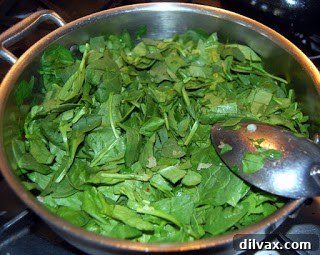
- Wilt Spinach Thoroughly: Continue to sauté the spinach until it is completely wilted and its volume has significantly reduced in the pan, typically taking 5-7 minutes. Once wilted, remove the skillet from the heat and set the spinach mixture aside to cool slightly.
- Prepare Cheese Mixture: In a small bowl, combine the shredded Gruyère cheese with the tablespoon of all-purpose flour. Toss gently until every piece of cheese is thoroughly coated. This simple trick helps prevent the cheese from sinking to the bottom of the quiche during baking, ensuring an even distribution throughout the filling.
- Combine Wet Ingredients: In a large mixing bowl, lightly beat the eggs until smooth. Whisk in the whole milk (or half-and-half), salt, and freshly ground black pepper.
- Incorporate Savory Elements: Gently fold the crumbled bacon and the flour-coated cheese mixture into the egg and milk mixture. Stir well to ensure all components are evenly distributed.
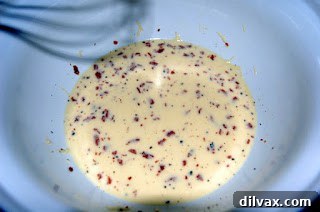
- Add Spinach: Finally, add the slightly cooled spinach mixture from the skillet to the large bowl containing the egg and cheese mixture. Mix everything thoroughly until well combined.
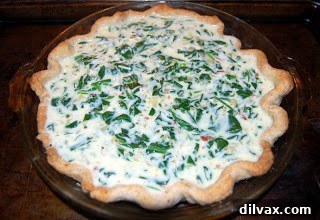
- Pour into Crust: Carefully pour the entire filling mixture into your prepared, blind-baked pie crust. Gently spread the filling to ensure it’s evenly distributed.
Part 3: The Art of Baking and Achieving Quiche Perfection
Now, we arrive at the most critical stage: the actual baking! This is where many home bakers might encounter challenges, and my own experience confirmed that finding the perfect balance of oven temperature and baking time is key. Let’s explore the lessons learned and optimal strategies for achieving a perfectly set quiche.
Navigating the Oven Temperature Conundrum:
Many reliable cookbooks suggest that a quiche, especially one loaded with ingredients like bacon, spinach, and cheese, typically requires about 45-50 minutes of baking at 325ºF (160ºC) until a knife inserted into the center emerges clean. However, my quiche decided to be a bit more demanding:
- I initially followed the recommended 325ºF (160ºC). After 50 minutes, the center was still quite fluid and unset.
- Undeterred, I increased the oven temperature to 350ºF (175ºC) and continued baking for another 15 minutes. The edges began to show promising signs of puffing and setting, but the core remained stubbornly wet.
- It took an additional 15+ minutes at 350ºF (175ºC) before the quiche finally reached that ideal state—a delicate jiggle in the center that signals perfect doneness.
My Quiche’s Total Baking Time: Approximately 50 minutes at 325ºF (160ºC), followed by an additional 30-35 minutes at 350ºF (175ºC).
My Expert Recommendation for Your Quiche:
Given that every oven possesses its own unique temperament, flexibility and careful observation are your best allies. Here’s a refined approach to baking your quiche:
- Begin with a Gentle Bake: Start by baking your quiche at 325ºF (160ºC) for an initial period of 45-50 minutes. This lower temperature promotes even cooking and helps prevent the custard from cracking.
- Assess for Doneness: Gently shake the pie pan. The edges of the quiche should appear firm and set, while the very center might still exhibit a slight, delicate wobble. To confirm doneness, insert a thin knife or skewer into the center; it should come out clean or with only moist crumbs attached.
- Adjust as Necessary: If the center of your quiche is still very liquid, increase your oven temperature to 350ºF (175ºC). Continue baking in 10-15 minute increments, checking for doneness after each interval. If the crust or the top of the quiche begins to brown too quickly, you can loosely tent it with aluminum foil to protect it.
- Crucial Resting Period: Once your quiche is perfectly baked, remove it from the oven and allow it to cool on a wire rack for at least 10-15 minutes before attempting to slice and serve. This resting time is vital as it allows the filling to fully set and firm up, ensuring clean, elegant slices and preventing the quiche from collapsing.
Patience truly is a virtue in the kitchen, especially when striving for quiche perfection. Fortunately, my hungry family, perhaps temporarily appeased by a side of sweet potato fries, graciously waited for this triumphant quiche to finally emerge from the oven.
The Verdict: A Culinary Triumph and Delicious Evolution
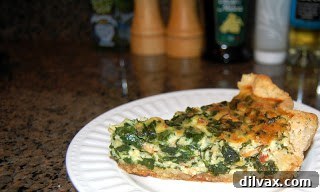
As the old adage wisely states, “good things come to those who wait.” And indeed, this particular quiche, after its baking odyssey, proved absolutely worth every moment of anticipation! To my pleasant surprise, even my once-skeptical husband wholeheartedly approved of it this time around. While the children noted some delicious departures from my previous quiche incarnations, the overall reception was enthusiastically positive.
This batch involved a few intentional variations from my past methods. Historically, I often used a blend of cheddar and Colby cheeses and incorporated half a box of thawed, frozen spinach without the sautéing step. For this rendition, I embraced the vibrancy of fresh spinach, taking the extra step to sauté it, and introduced the sophisticated flavor of Gruyère cheese. These changes, I believe, truly elevated the dish. Furthermore, while I used to rely on convenient store-bought pie crusts, the effort invested in this homemade pastry shell yielded an undeniably superior texture and flavor profile.
The true revelation for me was the Gruyère cheese. Having never used it in quiche before, its distinctive nutty, slightly sweet, and earthy notes imparted an incredible depth and complexity that cheddar or Colby cheese simply cannot replicate. It harmonized exquisitely with the savory bacon and fresh, tender spinach. I am now convinced that Gruyère will be a permanent fixture in my future quiche creations!
Regarding the optional dried dill in the crust, I found it added an interesting, albeit perhaps slightly overwhelming, flavor when the crust was tasted in isolation. However, when consumed with the rich filling, its presence was much more subtle and complementary. For those seeking a truly classic quiche flavor where the focus remains squarely on the filling, you might consider omitting the dill or reducing its quantity. The beauty of cooking lies in experimentation!
Based on my personal culinary rating system, which ranges from 1 to 4 (with 4 being the pinnacle of perfection), this Spinach, Bacon & Gruyère Quiche proudly earned “3 rolling pins.” A high score indeed, signaling a truly delicious, satisfying, and memorable dish that I eagerly anticipate preparing again.
Pro Tips for Your Best Quiche Ever:
- Avoid Overworking the Dough: For a supremely tender and flaky crust, mix your pastry dough only until it just comes together. Excessive handling develops gluten, which can lead to a tough, unappealing crust.
- Master Blind Baking: Never skip the blind baking step! It’s your best defense against a soggy bottom and ensures your crust is perfectly cooked through. Utilize ceramic pie weights, dried beans, or rice to prevent the crust from puffing up or shrinking.
- Monitor Oven Temperature Closely: As my experience highlights, oven temperatures can vary significantly. Keep a vigilant eye on your quiche, and be prepared to adjust baking time or temperature as needed. Starting at a slightly lower temperature helps prevent the custard from cracking.
- Allow for Essential Resting Time: Always grant your quiche a minimum of 10-15 minutes to cool and set on a wire rack after it comes out of the oven. This crucial rest allows the filling to firm up completely, ensuring beautifully clean and stable slices.
- Embrace Customization: Quiche is wonderfully versatile! Feel free to experiment with other cheeses (such as sharp cheddar, Swiss, or tangy feta), a variety of vegetables (mushrooms, colorful bell peppers, tender asparagus), or different meats (diced ham, cooked sausage) to perfectly suit your taste preferences.
Delightful Serving Suggestions:
This magnificent quiche is absolutely delectable on its own, making a complete and satisfying meal. However, it also pairs exquisitely with a light, crisp green salad dressed with a bright vinaigrette. For an elegant brunch, consider serving it alongside a medley of fresh seasonal fruit or a simple, refreshing yogurt parfait. If you’re presenting it for dinner, a side of roasted root vegetables or a crusty baguette would be excellent companions.
Happy baking, and may your kitchen be filled with the wonderful aroma of your homemade quiche!