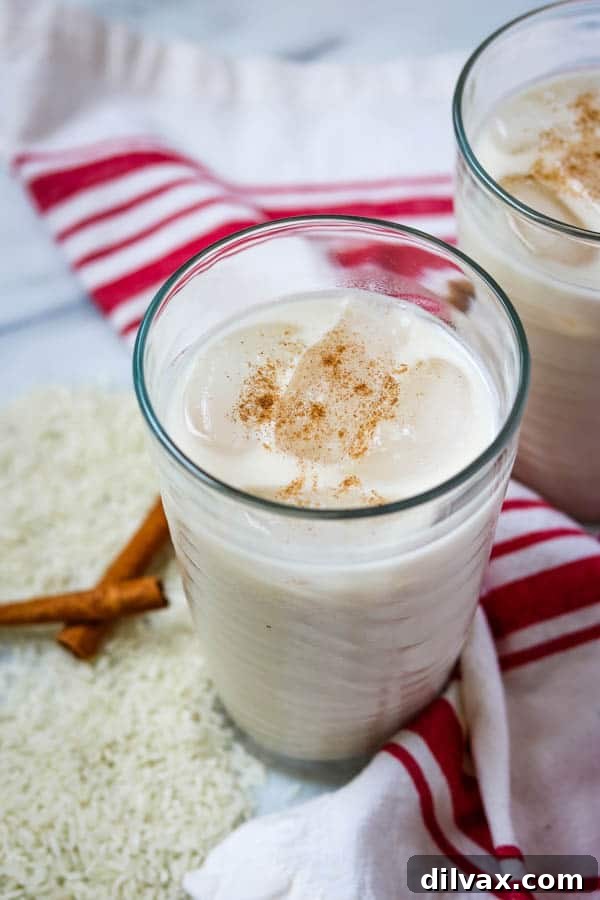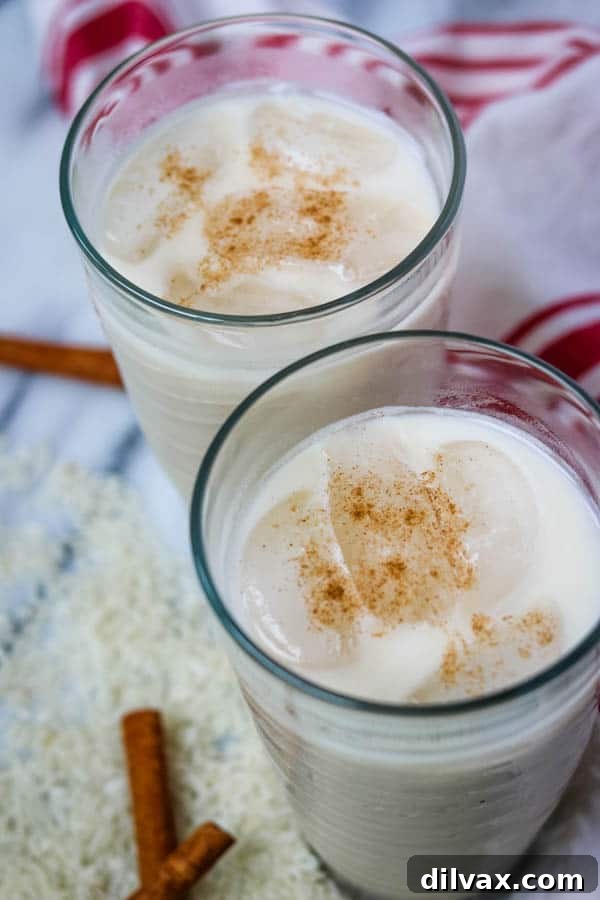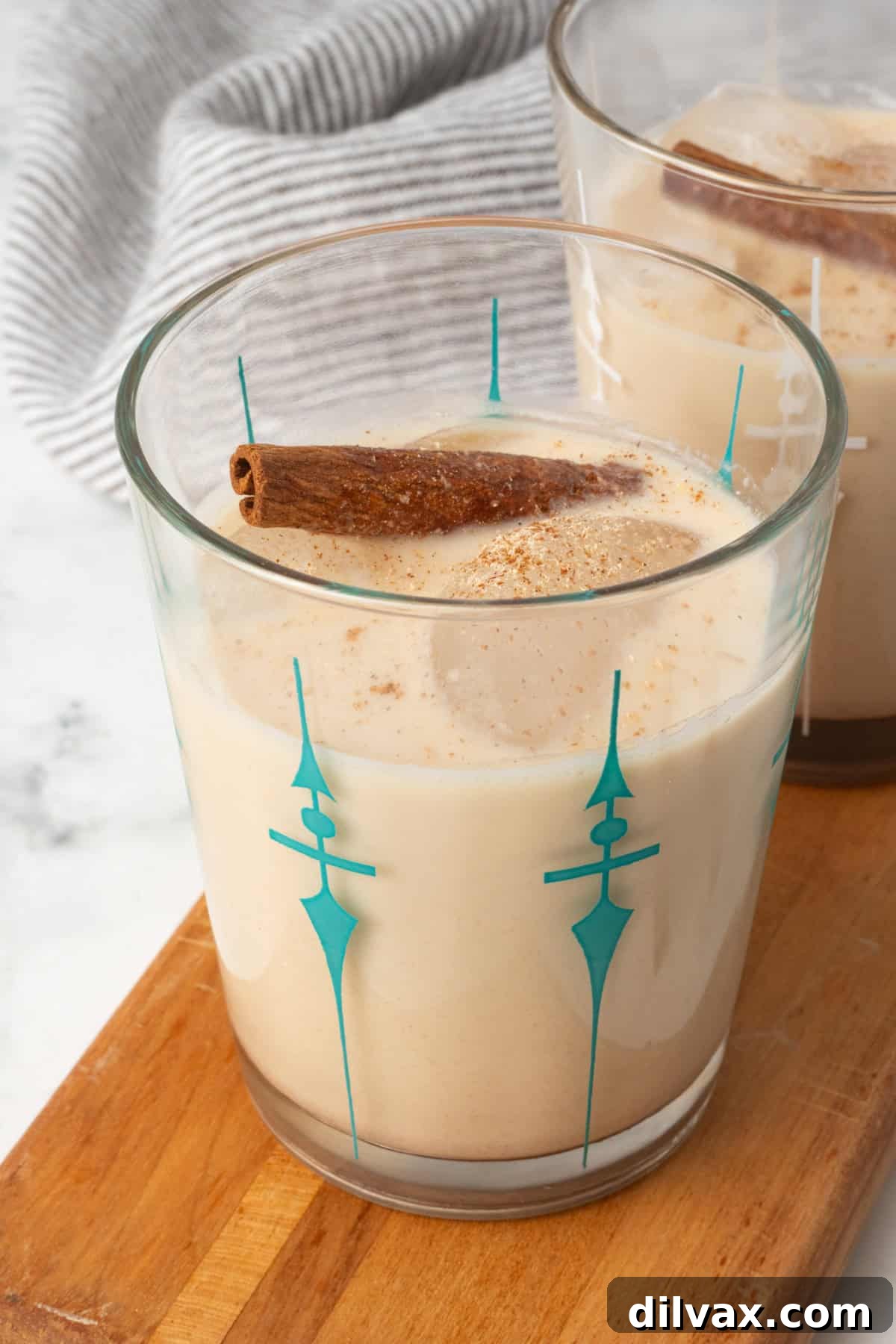
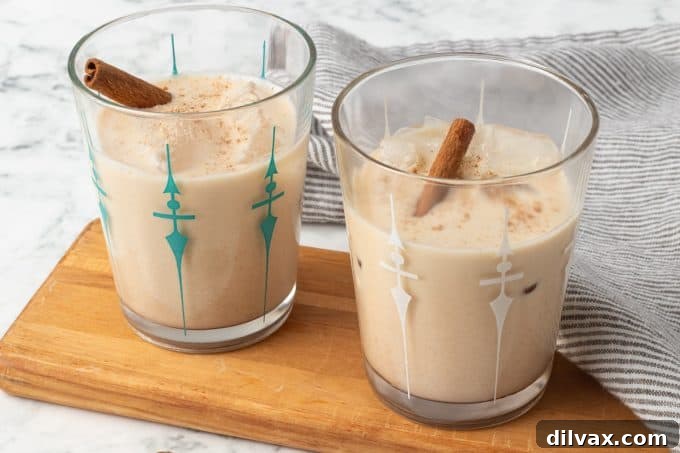
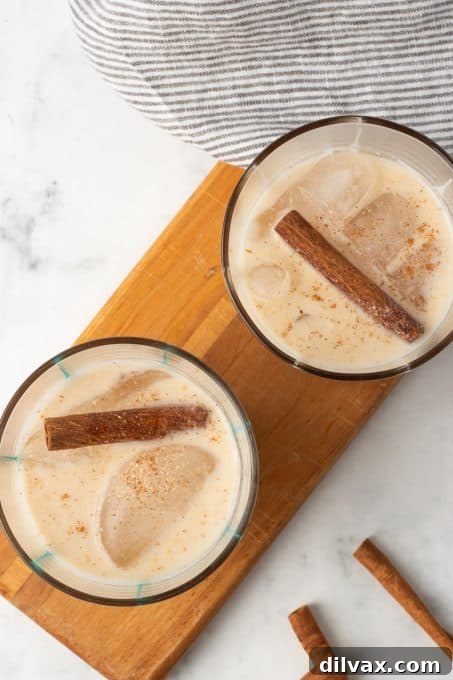
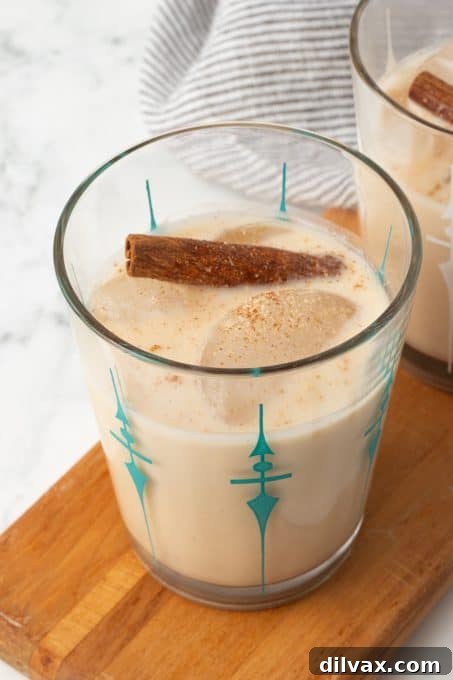
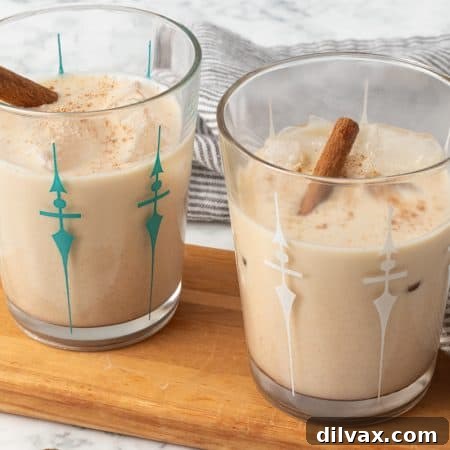
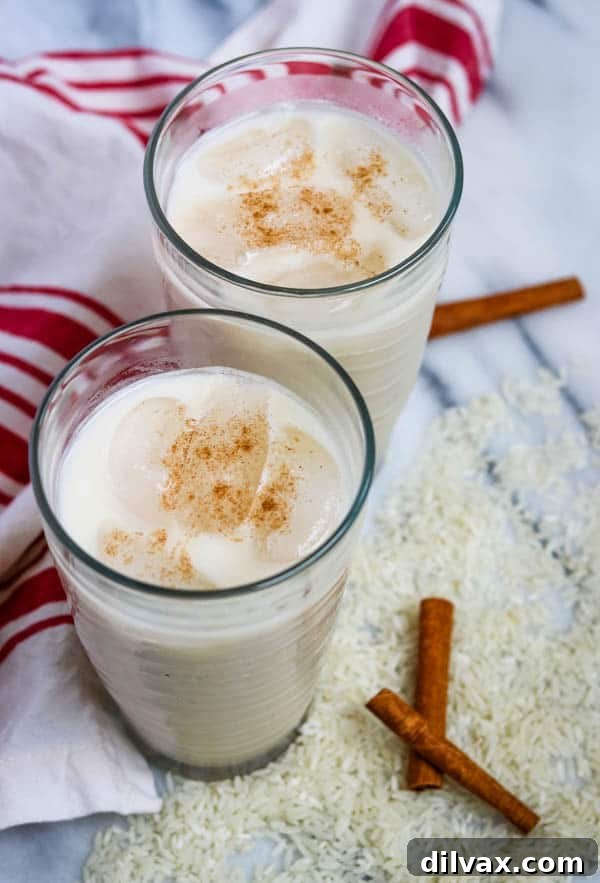
Horchata is a delightfully refreshing Mexican sweet rice drink, crafted with simple ingredients like rice, water, milk, and a delicate touch of cinnamon. This authentic Horchata recipe is not just a beverage; it’s a sensory journey, offering the perfect escape on a scorching day. Its creamy texture and subtly sweet flavor make it an absolute favorite, a truly irresistible treat that everyone will love.
I am proud to be partnering with Princess Cruises to bring you this sponsored post. As always, all opinions are 100% my own. Discover my full review and captivating pictures of our unforgettable Tulum excursion after the recipe!
When the sun is blazing and the air is thick with humidity, a hearty meal is often the last thing on your mind. Instead, what truly beckons is an ice-cold, exquisitely delicious drink to instantly quench your thirst and revitalize your senses. This traditional Mexican beverage, Horchata, stands out as an exceptional choice, offering a unique blend of coolness and creamy sweetness that promises profound satisfaction.
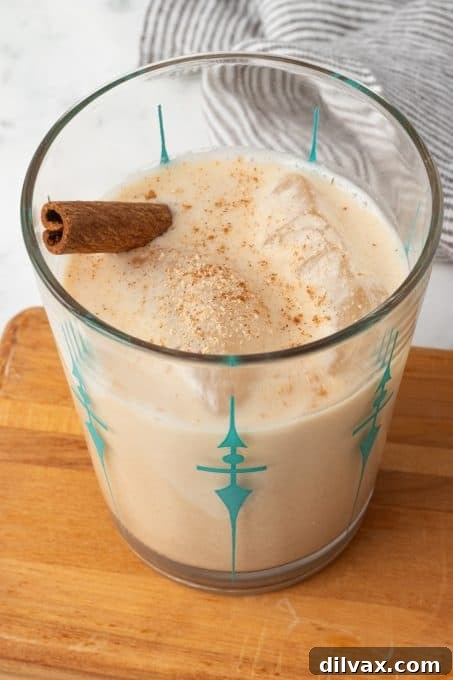
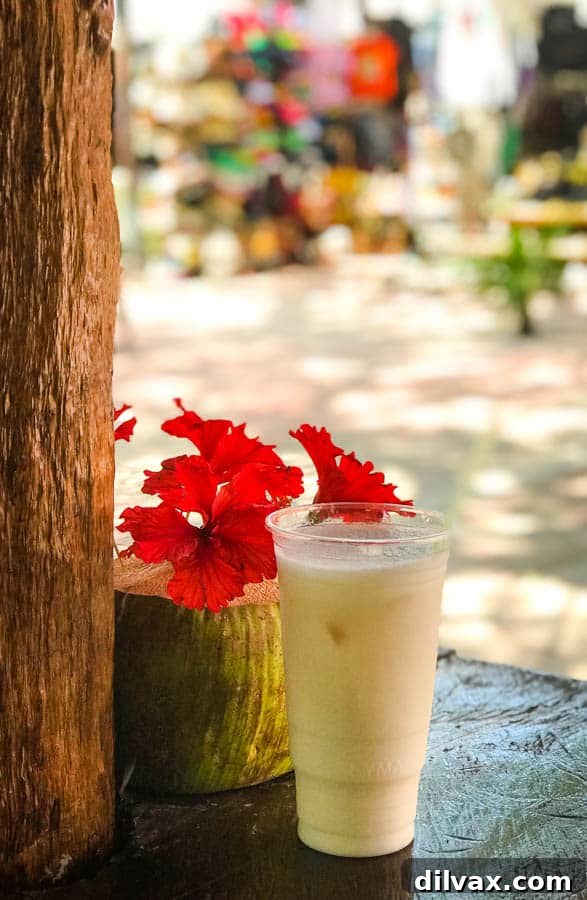
My first encounter with truly authentic Horchata was during a memorable trip to Tulum, Mexico, as part of an incredible Western Caribbean cruise with Princess Cruises. That day in Tulum was exceptionally hot and humid, a true test of endurance under the tropical sun. The Horchata I enjoyed for lunch after our exploration of the ancient ruins was an absolute revelation – wonderfully cold, incredibly refreshing, and precisely what I needed to combat the intense heat. From that moment, I knew I had to recreate this magical drink at home. While it does require a little patience and preparation time, the effort is undeniably worth it, yielding a delightful beverage that patiently awaits you in your refrigerator, ready to offer a cool embrace whenever you desire.
The Fascinating History and Global Journey of Horchata
While many associate Horchata primarily with Mexican cuisine, its origins are far more ancient and geographically diverse. The earliest versions of this grain-based beverage are believed to have originated in North Africa, specifically in ancient Egypt, where similar drinks were made from tiger nuts or other grains. From there, this refreshing concept traveled across the Mediterranean, making its way to Spain and Portugal during Moorish rule. In Spain, it evolved into “Horchata de Chufa,” made from tiger nuts (chufas), a popular summer drink still enjoyed today. As Spanish explorers and colonists ventured into the Americas, they brought with them not just their language and culture, but also their culinary traditions, including Horchata.
It was in Latin America, particularly Mexico, that Horchata underwent another significant transformation. Rice, a staple crop in many parts of the region, became the primary ingredient, giving birth to what we now widely recognize as Mexican Horchata, or more precisely, Horchata de Arroz (rice milk). This delicious adaptation incorporated the readily available rice and local spices, creating the sweet, milky, cinnamon-infused drink we cherish today. This rich history highlights Horchata’s incredible adaptability and its journey across continents, becoming a beloved symbol of refreshment wherever it has landed.
Essential Ingredients for Authentic Horchata
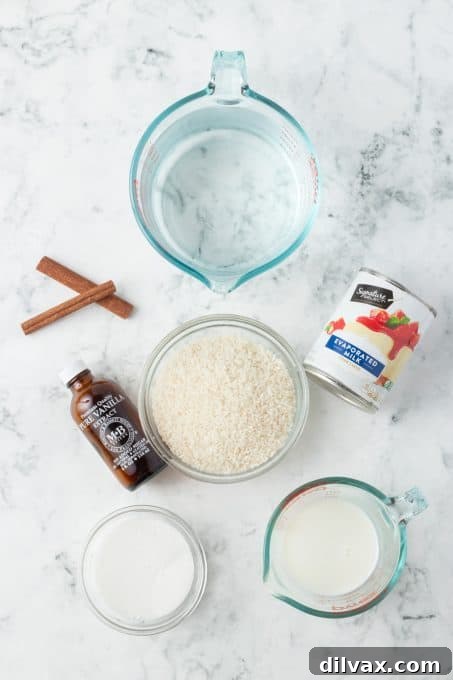
Crafting a truly authentic and delicious Horchata requires only a handful of readily available and simple ingredients. Each component plays a crucial role in achieving that perfect creamy texture and balanced sweet-cinnamon flavor:
- Uncooked Long-Grain White Rice: The foundation of our Mexican Horchata. Long-grain rice, like jasmine or basmati, works best due to its starch content, which lends a smooth, milky consistency to the drink when blended and soaked. Avoid quick-cooking or brown rice, as they yield different textures and flavors.
- Whole Cinnamon Sticks: These are vital for imparting that warm, aromatic, and distinct Horchata flavor. Whole sticks infuse the water and rice with a superior, more nuanced cinnamon essence compared to ground cinnamon, which can sometimes leave a gritty texture or overwhelming taste.
- Water: Used for soaking and blending the rice and cinnamon, forming the initial milky base. Fresh, filtered water is recommended for the best flavor.
- Evaporated Milk: This ingredient is key to achieving the Horchata’s signature rich and creamy body. Evaporated milk, being a concentrated milk product, provides a depth of flavor and velvety texture without adding excessive sweetness, unlike sweetened condensed milk.
- Regular Milk (Whole Milk or 2%): Adds to the liquid volume and contributes to the overall creamy mouthfeel. Whole milk will yield the richest Horchata, while 2% offers a slightly lighter, but still satisfying, alternative.
- Granulated White Sugar: The primary sweetener. The amount can be adjusted to your personal preference, allowing you to create a Horchata that is perfectly sweet for your palate.
- Pure Vanilla Extract: A touch of pure vanilla extract elevates the flavor profile, adding a subtle warmth and complexity that complements the cinnamon beautifully. Always opt for pure vanilla for the best taste.
Crafting Your Own Homemade Horchata: A Simple Guide
Making homemade Horchata is a surprisingly simple process, though it does require a bit of patience for the rice to properly soak and infuse. Plan ahead, and you’ll be rewarded with a deliciously sweet and creamy beverage, perfect for any warm day or as a delightful accompaniment to your next Mexican meal.
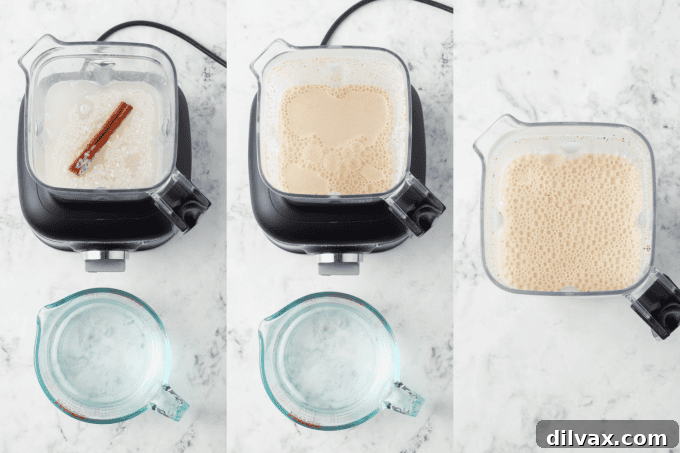
- Initial Blend: Begin by combining the uncooked long-grain rice, two cups of fresh water, and the whole cinnamon sticks in a powerful blender. Blend this mixture on high speed for at least one minute. The goal is to break down the rice and cinnamon into a fine, somewhat gritty paste. This initial blending helps to extract maximum flavor and starch.
- Second Blend and Soak: Add the remaining two cups of water to the blender. Continue blending on low speed for another minute. After this, transfer the entire horchata mixture to a pitcher or a large bowl. Cover it and let it sit at room temperature for a minimum of three hours. This crucial soaking period allows the rice to soften further and for the flavors of the cinnamon to deeply infuse into the water, creating a rich base. For an even more profound flavor and creamier texture, consider soaking the mixture overnight in the refrigerator.
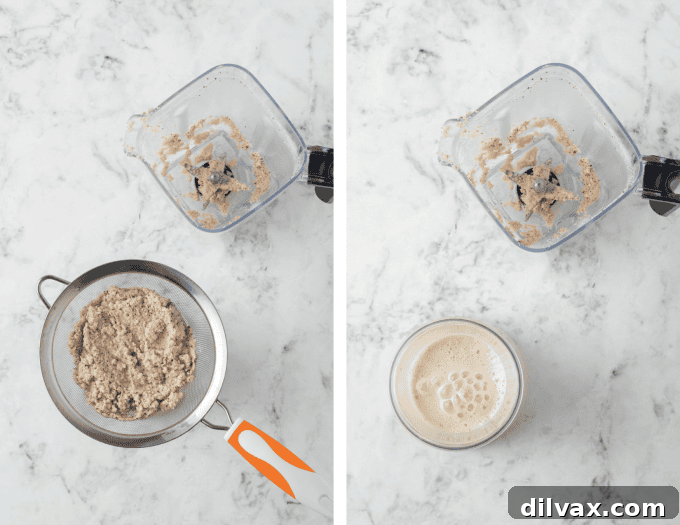
- Strain for Smoothness: Once the soaking is complete, it’s time to achieve that silky-smooth Horchata texture. Carefully strain the entire mixture through a fine mesh sieve into a clean pitcher. You may need to press down on the solids with a spoon or spatula to extract as much liquid and flavor as possible. Discard the remaining rice and cinnamon solids.
- Sweeten and Enrich: To the strained rice milk, add the evaporated milk, regular milk (whole or 2%), granulated sugar, and pure vanilla extract. Stir everything thoroughly until the sugar has completely dissolved and all ingredients are well combined. Taste and adjust the sugar level if desired.
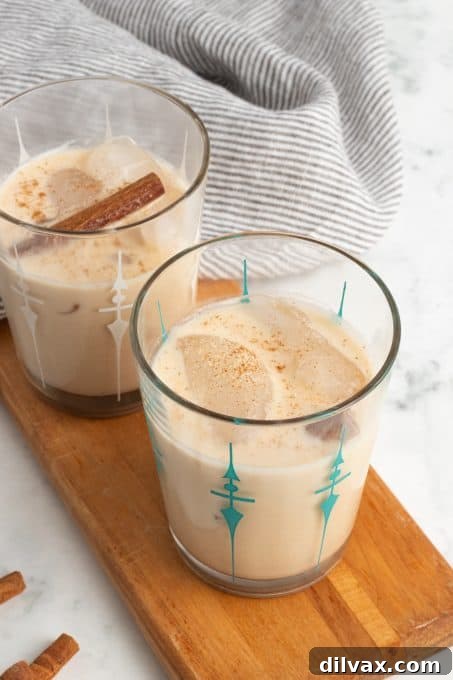
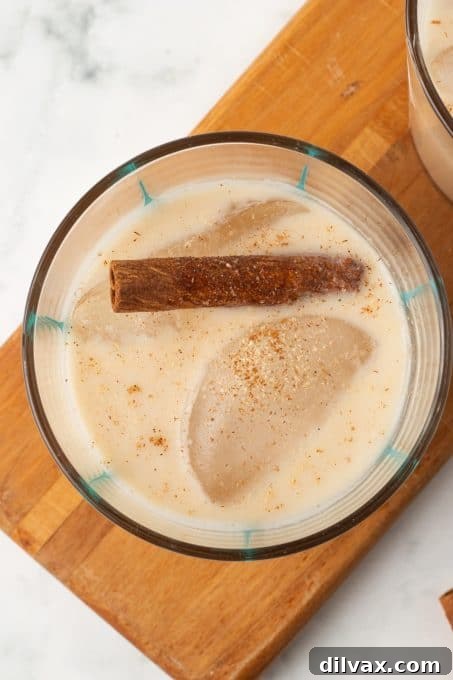
- Chill and Serve: Cover the pitcher and refrigerate the Horchata until it is thoroughly chilled, ideally for at least 2-3 hours. Serve this delightful beverage over plenty of ice. For an extra touch of elegance and flavor, garnish each glass with a sprinkle of ground cinnamon or a touch of freshly grated nutmeg, if you like. Enjoy your homemade, perfectly refreshing Horchata!
*Refer to the complete recipe card below for precise measurements and detailed instructions.
Expert Tips for Making the Best Horchata at Home!
- Choose the Right Rice: Always opt for uncooked long-grain white rice. Varieties like jasmine or basmati rice are excellent choices. Their starch content contributes to the creamy texture, and their subtle flavor allows the cinnamon and vanilla to shine. Avoid short-grain, brown, or instant rice, as they will alter the texture and taste significantly.
- Whole Cinnamon Sticks are Key: While it might be tempting to use ground cinnamon for convenience, whole cinnamon sticks are highly recommended. They infuse the liquid with a cleaner, more authentic cinnamon flavor without leaving a gritty residue that ground cinnamon often does. If you absolutely must use ground cinnamon, refer to the substitution note below.
- Evaporated Milk vs. Sweetened Condensed Milk: This is a common point of confusion. Make sure to use evaporated milk, which is unsweetened and concentrated. Sweetened condensed milk is loaded with sugar and will make your Horchata excessively sweet. The evaporated milk provides richness and creaminess without overwhelming the flavor.
- Adjust Sweetness to Your Liking: The recipe provides a starting point for sugar, but personal preference varies greatly. My personal experience in Mexico showed that authentic Horchata can be less sweet than versions found in many American Mexican restaurants. Start with ⅓ cup of granulated sugar and taste the mixture after chilling. You can always add more sugar syrup (sugar dissolved in a little hot water) to adjust the sweetness without diluting the drink.
- Power Up Your Blender: A high-speed, powerful blender will yield the smoothest and creamiest Horchata. Blend for the recommended time, or even a little longer, to ensure the rice and cinnamon are finely pulverized. The finer the blend, the less work for your sieve and the smoother your drink.
- Don’t Rush the Soak: The soaking time is crucial. Allowing the rice mixture to sit at room temperature for a minimum of three hours (or even overnight in the refrigerator, as many traditional recipes suggest) enables the rice to soften and release its starches, creating a naturally milky texture. It also allows the cinnamon to deeply infuse the liquid, intensifying the overall flavor.
- Yield and Storage: This recipe typically yields about six cups of delicious Horchata, perfect for sharing or enjoying over several days.
Exciting Horchata Recipe Variations to Explore
While the classic Horchata recipe is perfect on its own, its versatility allows for numerous creative variations to suit different tastes and dietary needs. Don’t hesitate to experiment and make this refreshing drink uniquely yours:
- Nutty Notes: Some traditional Horchata recipes, especially from different regions of Mexico, include nuts. Try soaking a handful of blanched almonds (or other nuts like pecans or walnuts) along with the rice. The nuts not only add a wonderful depth of flavor but also help to emulsify the rice and water, resulting in an even creamier consistency.
- Cinnamon-Free Option: If cinnamon isn’t your favorite spice, you can certainly omit it. The resulting drink will be a delicious, creamy rice milk with a hint of vanilla, perfect for those who prefer a milder flavor.
- Tropical Twist with Coconut: For an extra layer of richness and a delightful tropical aroma, add a splash of coconut milk (full-fat or light) to your Horchata mixture. This variation offers a subtly exotic flavor that pairs wonderfully with the sweet rice base.
- Vegan/Dairy-Free Horchata: Easily adapt this recipe for a plant-based diet! Simply substitute the evaporated milk and regular milk with your favorite dairy-free alternatives. Almond milk, oat milk, or more coconut milk work beautifully, maintaining the creamy texture and delightful flavor. Ensure your sugar is also vegan-friendly.
- Spiced Up: Beyond cinnamon, consider adding other warm spices during the blending and soaking process. A pinch of ground nutmeg, a couple of star anise pods, or even a slice of fresh ginger can introduce fascinating new dimensions to your Horchata.
- Coffee Horchata: For coffee lovers, blend in a shot of cold brew concentrate or a tablespoon of instant coffee granules with the milk and sugar for a delightful caffeine kick and rich coffee flavor.
- Fruity Infusions: Add fresh fruit purees to your Horchata for a seasonal twist. Mango, strawberry, or pineapple purees can be blended in after straining for a vibrant and refreshing fruity Horchata.
- Spanish Horchata (Horchata de Chufa): If you’re feeling adventurous and can find them, try making the original Spanish version with tiger nuts (chufas) instead of rice. The process is similar, involving soaking, blending, and straining, but yields a distinct earthy and slightly nutty flavor.
How Long Does Homemade Horchata Stay Fresh in the Refrigerator?
Properly stored, your homemade Horchata can last quite well in the fridge. For optimal freshness and flavor, transfer the chilled Horchata into an airtight pitcher or covered container. When stored this way, it will remain delicious and safe to drink for up to 5-7 days. It’s always a good idea to give it a good stir before serving, as some of the rice solids and spices might settle at the bottom over time. If you notice any off-smells or unusual textures, it’s best to discard it.
Can I Substitute Ground Cinnamon for Whole Cinnamon Sticks?
Yes, you can certainly use ground cinnamon if whole cinnamon sticks are unavailable, though it’s important to be mindful of the difference in texture and flavor distribution. When substituting, remember that ground cinnamon is more potent and can sometimes clump or leave a slightly powdery residue if not thoroughly mixed. As a general guideline, one whole cinnamon stick is roughly equivalent to ½ teaspoon of ground cinnamon. Therefore, if the recipe calls for two cinnamon sticks, you would use 1 teaspoon of ground cinnamon. Add it during the initial blending phase with the rice and water to ensure it’s well incorporated. Enjoy your Horchata!
More Refreshing Drink Recipes You’ll Love!
If the creamy sweetness of Horchata has captured your heart, you’re sure to enjoy these other delightful and refreshing drink recipes, perfect for any occasion:
- Fresh Strawberry Lemonade: A vibrant blend of ripe strawberries and zesty lemons, this lemonade strikes the perfect balance between sweet and tart. It’s a quintessential summer thirst-quencher but delicious all year round.
- Copycat Chick-fil-A’s Frosted Lemonade: Indulge in this unique creation that’s part tangy lemonade, part creamy milkshake. It’s sweet, zesty, and lusciously smooth all at once. Our version tastes just like the original, but with the added benefit of NO added sugar!
- Frozen Marshmallow Mudslide: For adult palates, this rich and creamy cocktail is a fantastic choice for a warm summer evening or a romantic date night at home. Its decadent flavor profile makes it an irresistible treat.
- Brazilian Lemonade: Despite its name, this captivating drink is made with limes, offering a unique creamy and ice-cold refreshment. It’s an incredibly satisfying beverage that will cool you down instantly when poured over a generous amount of ice.
- Frozen Bahama Mama: Transport yourself to the tropics with this delightful concoction. Featuring a lively combination of grenadine, orange juice, pineapple juice, dark rum, coconut rum, lime juice, and ice, it’s the ultimate tropical escape.
- Pina Colada Milkshakes: A chilled blend of vanilla ice cream and crushed pineapple creates a truly refreshing taste of the tropics. Whip up a batch of these creamy milkshakes to effortlessly beat the summer heat.
- Coconut Cooler: Seeking a refreshing, non-alcoholic drink that evokes the serene feeling of a tropical getaway? This coconut cooler is precisely what you need, delivering pure, island-inspired refreshment.
- Coffee Milk: A beloved staple from Rhode Island, this unique drink is made with a sweet coffee-flavored syrup and milk. Learn how to recreate this famous Ocean State beverage with this easy-to-follow recipe!
Horchata
Ingredients
- 1⅓ cups uncooked long-grain white rice
- 2 whole cinnamon sticks
- 4 cups water
- 12 ounces evaporated milk
- ½ cup milk (whole or 2%)
- ⅓ cup granulated sugar
- 2 teaspoons pure vanilla extract
Instructions
-
Into a blender, pour rice, 2 cups of the water, and cinnamon sticks. Blend on high for one minute.
-
Add remaining 2 cups of water and blend again on low for another minute.
-
Allow mixture to sit at room temperature for a minimum of three hours.
-
Strain mixture through a fine mesh sieve into a pitcher.
-
Add the evaporated milk, regular milk, sugar, and vanilla. Mix well.
-
Refrigerate until well chilled. Serve on ice and sprinkle with cinnamon.
Notes
Nutrition
Did you make this recipe?
Share it with me on Instagram and make sure to follow me on Pinterest for more recipes.
Pin Recipe
Share Recipe
This post was originally written on June 9, 2019. It has been updated in format and with photos on April 22, 2024.
My Tulum Excursion: A Journey of Discovery and Refreshment
My inspiration to create this delightful Horchata recipe at home stems directly from an unforgettable excursion to Tulum, Mexico, experienced during my Western Caribbean cruise with Princess Cruises. That day was exceptionally warm and muggy, characteristic of the tropical climate, and we found ourselves perspiring quite a bit as we explored the ancient ruins under the intense sun.
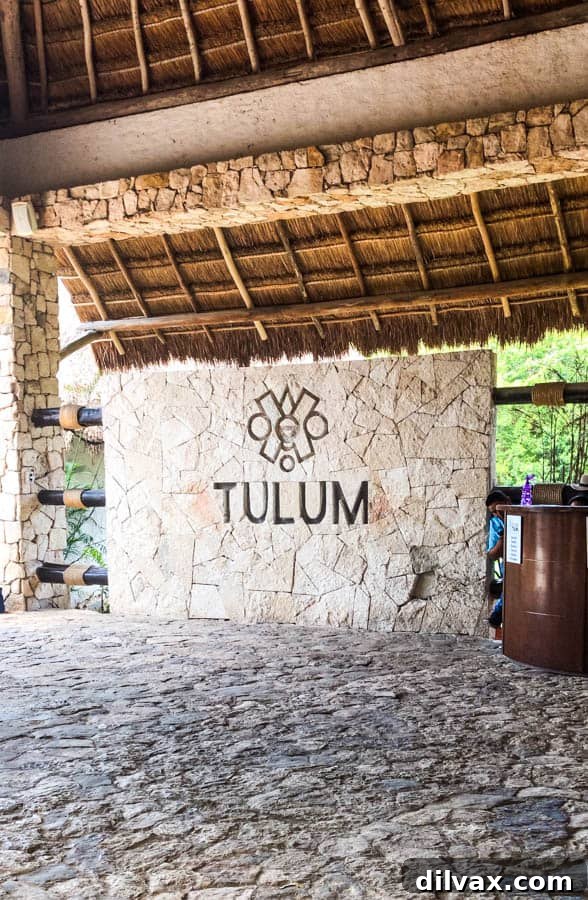
The ruins of Tulum were absolutely mesmerizing to behold. Perched majestically on 12-meter high cliffs overlooking the turquoise Caribbean Sea on the Yucatan Peninsula, south of Cancun, this ancient Mayan city captivated our imaginations. Its strategic coastal location and remarkable preservation offered a rare glimpse into a bygone era.

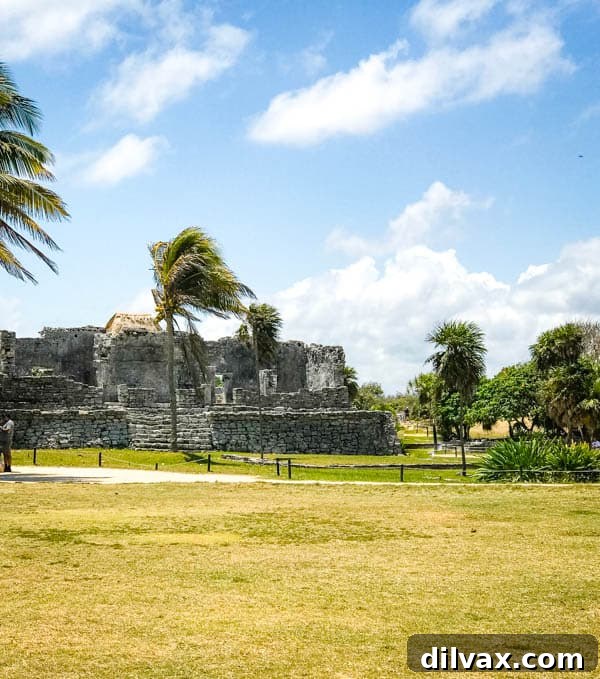
Tulum stands as one of the last cities constructed by the Maya civilization, reaching its peak influence and activity between the 13th and 15th centuries. What’s truly remarkable is its status as one of the best-preserved Mayan coastal sites, allowing visitors to walk through history and marvel at the ingenuity of its builders. It’s an incredible testament to the architectural prowess and cultural richness of the ancient Maya.
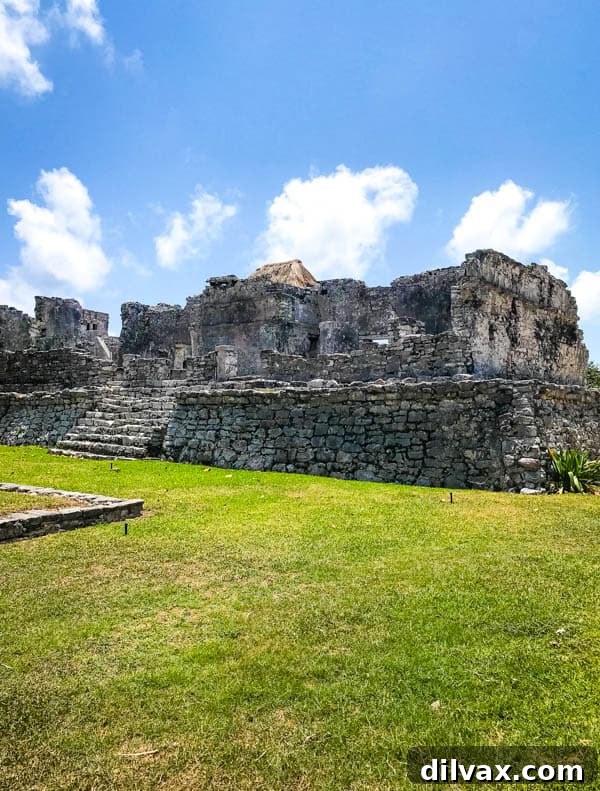
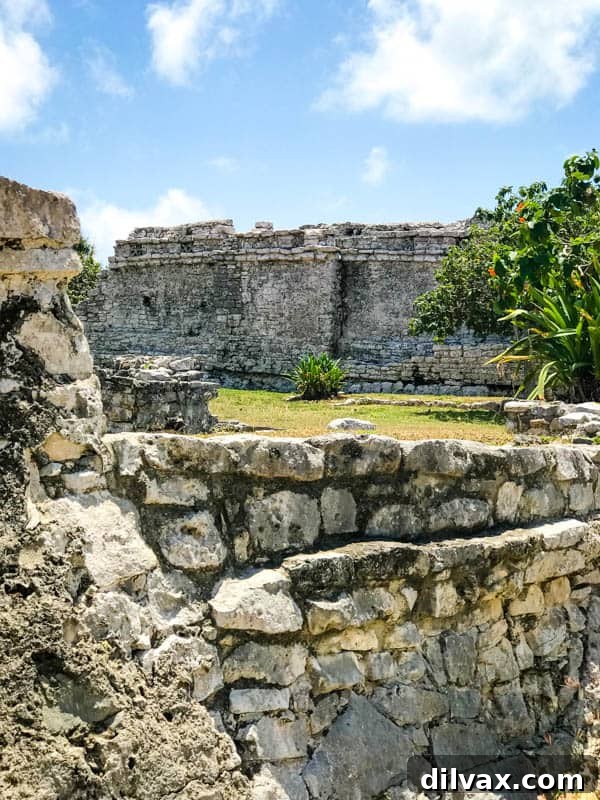
One of the many reasons I cherish cruising with Princess Cruises is the unparalleled opportunity to visit diverse destinations, witness breathtaking sights, delve into rich historical narratives, and immerse myself in local cultures. My experience in Tulum, Mexico, perfectly exemplified this. The sheer resilience of these structures, built centuries ago yet still standing in remarkably good condition, left me in awe. It’s difficult to fully grasp, but I love to ponder what life must have been like for the Maya who inhabited these impressive cities and what their daily routines might have entailed amidst such grand architecture.
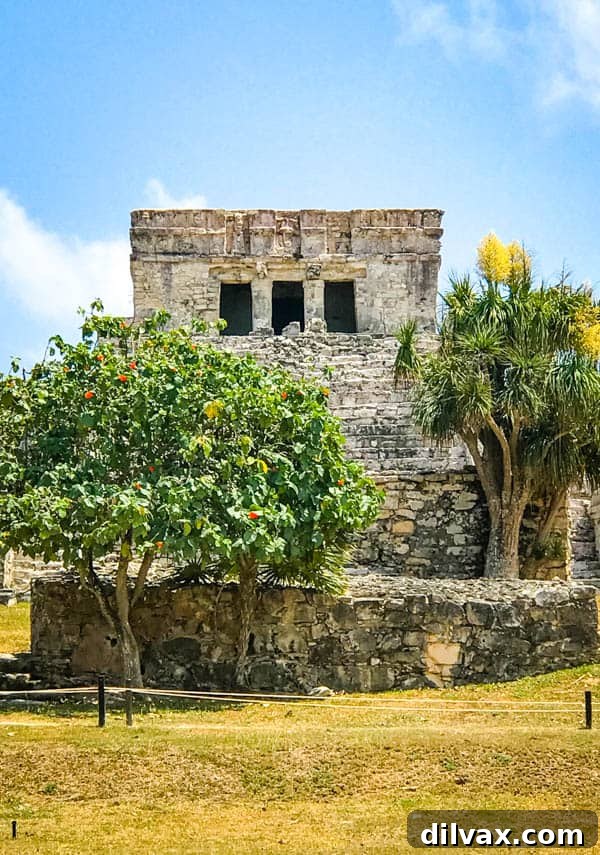
Featured below is the magnificent Castillo (castle), the largest and most prominent structure at the Tulum site. It stands proudly at the edge of the property, commanding spectacular views of the Caribbean Sea. A grand set of steps leads visitors to its entrance, inviting them to imagine the ceremonies and daily life that once unfolded within its ancient walls.
Tulum was just one of the four enriching excursions we enjoyed during our unforgettable Western Caribbean cruise this past April. Beyond the historical ruins, our tour of Tulum also included a truly unique experience: swimming in a cenote. A cenote, meaning “Sacred Well” in Mayan, refers to natural pits or sinkholes that dot the Yucatan Peninsula, with over 6,000 recorded. Before this trip, I had never heard of these geological wonders, but I quickly learned of their profound significance. Formed by the collapse of limestone bedrock, cenotes expose the natural groundwater beneath the earth, creating stunning freshwater pools. They are not only fascinating natural phenomena but also hold deep cultural and historical importance for the Mayan civilization, serving as vital water sources and even sites for sacrificial offerings.
After a morning spent exploring the ancient ruins under the hot sun, the cool, clear waters of the cenote offered the most refreshing respite imaginable. It was an invigorating experience, undoubtedly the perfect way to cool off and rejuvenate after our historical journey.

Pictured above (from left to right) are Erin of Dinners, Dishes and Desserts, her friend Jessica, Sandra from Dash of Sanity, her daughter Jojo, and my own daughter, Emma. These precious cenotes were not merely swimming holes; they were sometimes utilized by the ancient Mayan culture for profound sacrificial offerings, symbolizing a connection to the underworld. Furthermore, they represented one of the only reliable sources of fresh water in the Yucatan Peninsula, a region notably devoid of rivers, making them essential for the survival and flourishing of Mayan communities.
Following our refreshing swim, we canoed to a picturesque spot where a delicious lunch awaited us. We feasted on tender chicken, flavorful pork, fluffy rice, hearty beans, an assortment of fresh fruit, and arguably the most incredible guacamole I have ever tasted! That guacamole was so exceptional, I’ve made a mental note to recreate the recipe and share it on the blog very soon!
The Horchata I savored in Tulum was perfectly chilled and wonderfully refreshing, a true lifesaver on that hot and humid day. That moment solidified my desire to master this recipe and bring the authentic taste of Mexico into my home kitchen. It truly inspired this very recipe, allowing me to relive a piece of that incredible journey with every delicious sip.