The Irresistible Charm of Snickerdoodles: A Classic Cookie Delight
Ah, Snickerdoodles. Just uttering the word feels like a warm hug for your tongue, doesn’t it? Sssnnniiiccckkkeeerrrdddoooooodddllleeesss. Try saying it slowly, letting each syllable roll off with a delightful rhythm. It’s a word that’s as much fun to pronounce as the cookie itself is to eat. There’s a playful bounce to it, a hint of the deliciousness to come. We often wonder, what does this whimsical name sound like in other languages? If you happen to know how to say “snickerdoodle” in any language other than English, please share it in the comments below! We’d love to expand our global vocabulary for this beloved treat.
What Makes a Snickerdoodle So Special?
At its heart, a snickerdoodle is a sugar cookie, but with an enchanting twist that elevates it to a realm of its own. It’s not just any cookie; it’s an experience. The tell-tale sign of a snickerdoodle is its crinkled surface, coated generously in a delicate blend of cinnamon and sugar. But the magic truly happens inside. These cookies boast a perfectly balanced texture: a soft, chewy interior with slightly crisp edges. What sets them apart from a regular sugar cookie, however, is the distinctive tangy note, thanks to a secret ingredient we’ll discuss shortly. This subtle tang complements the sweetness and warmth of the cinnamon, creating a flavor profile that is utterly unique and undeniably addictive.
It’s a testament to its simple perfection that a snickerdoodle is incredibly difficult to “mess up.” As long as you follow the basic steps and don’t forget a crucial ingredient or bake them into oblivion, you’re almost guaranteed a delightful result. Their straightforward nature makes them an ideal baking project for both seasoned bakers and enthusiastic beginners.
A Journey Through Snickerdoodle History
While the exact origins of the snickerdoodle are a bit shrouded in culinary mystery, most food historians agree that this classic cookie likely emerged from the New England region of the United States. Its roots are thought to trace back to early American baking traditions, possibly influenced by German or Dutch immigrants who brought their cookie-making techniques to the New World. Some theories suggest the name “snickerdoodle” itself might be a corruption of a German word, or perhaps just a whimsical, made-up term, akin to calling a cookie a “fanciful thingamajig.”
What truly solidified the snickerdoodle’s identity and distinct flavor was the introduction of cream of tartar. This ingredient, an acidic byproduct of winemaking, became more readily available in the 19th century and revolutionized many baking recipes. It’s the cream of tartar that gives the snickerdoodle its signature chewiness, its slight tang, and contributes to its characteristic crinkled appearance. Without it, you’d simply have a cinnamon sugar cookie – still delicious, but not a true snickerdoodle.
Over the decades, the snickerdoodle has remained a beloved staple in American kitchens, appearing in countless cookbooks and family recipe boxes. It evokes a sense of nostalgia, often associated with childhood memories, holiday baking, and the comforting aroma of cinnamon wafting through the house.
The Secret Behind the Perfect Snickerdoodle: Key Ingredients Explained
Crafting the perfect snickerdoodle relies on a few core ingredients, each playing a vital role in achieving that coveted texture and flavor. While the recipe might seem simple, understanding the function of each component can elevate your baking game.
- Butter and Shortening: Many traditional recipes, including the one we often reference (like those found on sites such as Food Network, from culinary experts like Emeril Lagasse), call for a combination of both. Butter provides rich flavor and helps with browning, while shortening contributes to the cookie’s tenderness and prevents it from spreading too thin, ensuring that coveted chewiness. Creaming these together until light and fluffy is the foundational first step.
- Granulated Sugar: Beyond sweetness, sugar interacts with the fats to create air pockets, contributing to the cookie’s texture. It also plays a starring role in the cinnamon-sugar coating.
- Eggs: Eggs act as a binder, adding moisture and structure to the dough. They also contribute to the richness and help create a more tender crumb.
- All-Purpose Flour: The primary structural component of the cookie. It’s important not to overmix the flour, as this can develop the gluten too much, leading to tough cookies.
- Baking Soda: A leavening agent that helps the cookies rise and spread slightly.
- Salt: Essential for balancing the sweetness and enhancing all the other flavors in the cookie.
- Cream of Tartar: This is the superstar ingredient. As mentioned, it provides the characteristic tangy flavor that distinguishes snickerdoodles from other sugar cookies. Chemically, it reacts with baking soda to create carbon dioxide gas, which helps the cookies rise. More importantly, it prevents sugar from crystallizing, contributing to the cookie’s wonderfully chewy texture and helping to create those iconic crinkles on the surface.
- Cinnamon and Sugar (for coating): The signature outerwear of the snickerdoodle. The generous coating creates a delightful crunchy texture on the outside and infuses every bite with warm, aromatic spice.
Mastering the Snickerdoodle Baking Process: Tips for Success
Making snickerdoodles is a rewarding process, and with a little attention to detail, you can achieve bakery-quality results right in your own kitchen. Here’s a breakdown of the key steps and some expert tips:
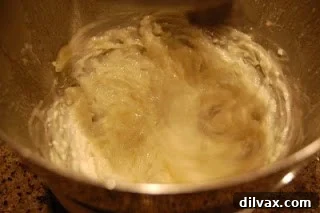
- Creaming Fats and Sugar: Begin by creaming your softened butter and shortening with sugar until the mixture is light, fluffy, and pale yellow. This incorporates air into the dough, which is crucial for a tender cookie. Don’t rush this step!
- Adding Eggs: Beat in the eggs one at a time, ensuring each is fully incorporated before adding the next. This creates a smooth emulsion and adds richness.
- Combining Dry Ingredients: In a separate bowl, whisk together the flour, cream of tartar, baking soda, and salt. This ensures that the leavening and seasoning are evenly distributed throughout the dough.
- Gradually Add Dry to Wet: Slowly add the dry ingredients to the wet mixture, mixing on low speed until just combined. Overmixing at this stage can lead to tough cookies. Stop mixing as soon as no streaks of flour remain.
- Chilling the Dough (Optional but Recommended): While many recipes say you can bake immediately, chilling the dough for at least 30 minutes (or even longer) can make a significant difference. Chilled dough is easier to handle, and it helps prevent the cookies from spreading too much, resulting in a thicker, chewier cookie.
- Rolling in Cinnamon Sugar: Prepare your cinnamon-sugar mixture in a shallow dish. Roll spoonfuls of dough (about 1.5 to 2 tablespoons per cookie) into even balls, then generously coat them in the cinnamon-sugar. Ensure an even coating for maximum flavor and texture.
- Arranging on Baking Sheets: Place the coated dough balls onto prepared baking sheets (parchment paper is your friend here!), spacing them a few inches apart to allow for spreading. Some bakers like to gently flatten the balls slightly before baking to encourage more crinkling.
- Baking to Perfection: Bake in a preheated oven (typically around 375°F or 190°C) for 8-10 minutes. The cookies are done when the edges are set and slightly golden, but the centers still look soft and slightly underbaked. They will continue to set as they cool. Overbaking is the enemy of a chewy snickerdoodle!
- Cooling: Let the cookies cool on the baking sheet for a few minutes before transferring them to a wire rack to cool completely. This allows them to firm up without breaking apart.
Common Mistakes to Avoid
- Forgetting Cream of Tartar: As discussed, this is non-negotiable for a true snickerdoodle experience.
- Overmixing the Dough: Leads to gluten development, resulting in tough, dry cookies.
- Overbaking: The quickest way to turn a potentially chewy snickerdoodle into a hard, crispy disc.
- Not Chilling the Dough: While optional, skipping this step can lead to flatter, less chewy cookies.
- Inconsistent Cookie Size: This leads to uneven baking, with some cookies burning while others are still raw. Use a cookie scoop for consistency.
Delicious Variations and Creative Twists
While the classic snickerdoodle is perfect in its simplicity, its versatile base allows for wonderful experimentation. Here are a few ideas to spark your creativity:
- Pumpkin Snickerdoodles: Incorporate a small amount of pumpkin puree and pumpkin pie spice into the dough for a delightful autumn-themed treat.
- Chocolate Snickerdoodles: Add cocoa powder to the dough and perhaps a few chocolate chips for a rich, decadent twist.
- Spiced Snickerdoodles: Enhance the cinnamon coating with a pinch of nutmeg, cardamom, or even a touch of ginger for a more complex flavor profile.
- Gluten-Free Snickerdoodles: Substitute regular flour with a high-quality gluten-free all-purpose flour blend (ensure it contains xanthan gum) to cater to dietary needs without sacrificing flavor.
- Brown Butter Snickerdoodles: Brown your butter before creaming it with sugar for a deeper, nuttier flavor that adds another layer of complexity.
The Enduring Appeal: Why We Love Snickerdoodles
Snickerdoodles hold a special place in the pantheon of classic cookies because they embody comfort, simplicity, and pure joy. They’re not overly complicated, nor do they rely on exotic ingredients. Their appeal is in their honesty – a perfectly baked cookie that delivers on its promise of warmth, sweetness, and a delightful chew. They are perfect for any occasion: a casual afternoon snack, a festive holiday platter, or a comforting treat enjoyed with a glass of cold milk or a hot cup of coffee or tea.
In our own family, the snickerdoodle consistently ranks high on the list of favorites. We recently had a “rolling pin rating” session, and the snickerdoodle earned a respectable 3½ out of 4. There’s a certain expectation for that elusive “super-to-die-for” cookie, but the snickerdoodle comes incredibly close, proving its consistent deliciousness. It leaves us wondering what that perfect 4-star cookie might be, but for now, the snickerdoodle stands proudly as a beloved contender.
So, whether you’re rediscovering a childhood favorite or trying them for the first time, snickerdoodles are sure to bring a smile to your face. Their playful name, simple ingredients, and unforgettable taste make them a timeless classic worth celebrating.
Share Your Snickerdoodle Stories!
We absolutely love hearing from our readers! Don’t forget, if you know how to say “snickerdoodle” in another language, please drop a comment below. It would be fantastic to build a collection of snickerdoodle translations! Also, feel free to share your favorite snickerdoodle memories, baking tips, or unique variations. We look forward to connecting with fellow cookie enthusiasts!
Happy baking!