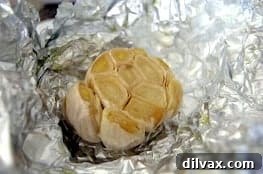
Unlock Culinary Magic: Your Essential Guide to Roasting Garlic and Red Peppers
Welcome to a culinary journey that will transform your kitchen and elevate your dishes! Learning how to roast garlic and red peppers is not just about mastering a simple cooking technique; it’s about unlocking a world of deep, nuanced flavors that can turn ordinary meals into extraordinary experiences. Imagine the sweet, caramelized notes of roasted garlic melting in your mouth, or the smoky, tender richness of a perfectly charred red pepper infusing your favorite recipes. These two ingredients, when roasted, become culinary powerhouses, capable of inspiring new creations and delighting your taste buds.
Whether you’re a seasoned chef or a budding home cook, knowing how to properly roast these humble ingredients will become an indispensable skill. It’s a fundamental technique that opens doors to countless recipes, from simple spreads and dips to sophisticated sauces and vibrant main courses. Forget the days of bland, one-dimensional flavors; with this guide, you’re about to embark on a delicious adventure that promises to revolutionize your cooking.
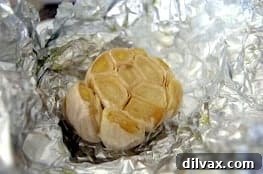
The Irresistible Allure of Roasted Garlic
Raw garlic, with its pungent bite, is a staple in many cuisines. But roasted garlic? That’s an entirely different beast – a sweet, mellow, and incredibly versatile ingredient that adds a layer of sophistication to almost any dish. The roasting process caramelizes the natural sugars within each clove, transforming its sharp, spicy flavor into a rich, buttery sweetness that is simply divine. It loses its harshness and gains an incredible depth, making it perfect for a myriad of applications.
Why You Should Roast Garlic
- Flavor Transformation: The sharp, acrid notes of raw garlic mellow into a sweet, nutty, and almost buttery flavor.
- Creamy Texture: The cloves become incredibly soft and spreadable, perfect for mashing or incorporating into smooth dishes.
- Enhanced Aroma: Your kitchen will be filled with an inviting, savory aroma as the garlic roasts.
- Digestibility: Many find roasted garlic easier to digest than raw garlic.
- Versatility: It can be used in countless ways, adding a gourmet touch to everyday meals.
Creative Ways to Use Roasted Garlic
Once you taste roasted garlic, you’ll want to put it on everything! Here are just a few ideas to get you started:
- Spreads: Mash it onto toasted baguette slices, mix it into cream cheese or goat cheese for a delicious spread, or add it to butter for a savory compound butter.
- Dips & Sauces: Incorporate into hummus, guacamole, aioli, pesto, or your favorite salad dressings for an added layer of flavor. It’s a key ingredient in many creamy pasta sauces.
- Vegetables: Toss roasted garlic cloves with other roasted vegetables like potatoes, carrots, or Brussels sprouts.
- Meats & Poultry: Rub it into chicken, fish, or steak before roasting or grilling. Add it to marinades for an extra flavor boost.
- Pasta & Grains: Stir whole or mashed cloves into pasta dishes, risottos, or grain bowls.
- Soups & Stews: Blend it into creamy soups or add it to hearty stews for a deeper flavor profile.
Easy Step-by-Step Roasted Garlic Recipe
Roasting garlic is incredibly simple and requires minimal effort for maximum reward. Follow these straightforward steps to achieve perfectly golden, tender cloves every time.
Ingredients:
- 1 whole head of garlic
- 1-2 teaspoons olive oil
- Pinch of salt (optional)
Equipment:
- Sharp knife
- Aluminum foil
- Small baking dish or baking sheet
Instructions:
- Preheat Your Oven: Set your oven to 400°F (200°C). This temperature ensures even roasting without burning.
- Prepare the Garlic Head: Begin by removing the papery outer layers of the garlic head, being careful not to separate the individual cloves. You want the head to remain intact.
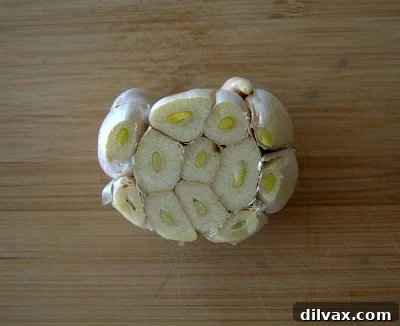
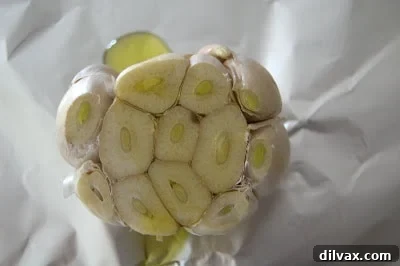
- Trim the Top: Using a sharp knife, carefully slice off about 1/4 to 1/2 inch from the top of the garlic head. This exposes the tips of the individual cloves, allowing the olive oil and heat to penetrate them more effectively.
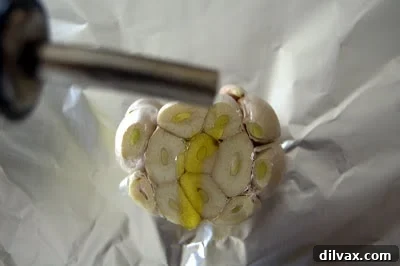
- Drizzle with Olive Oil: Place the trimmed garlic head onto a piece of aluminum foil large enough to wrap it completely. Drizzle the exposed cloves generously with olive oil. A small pinch of salt can also be added at this stage if desired.
- Rub and Coat: Gently rub the olive oil into the exposed garlic cloves with your fingers, ensuring they are well coated. This helps in the caramelization process and prevents them from drying out.
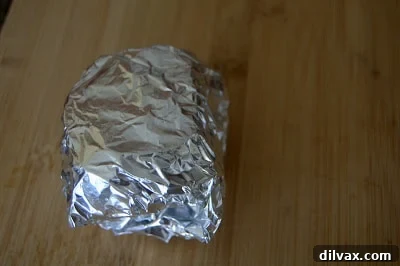
- Wrap Tightly: Carefully wrap the garlic head in the aluminum foil, creating a sealed packet. This traps the steam and moisture, helping the garlic to roast evenly and become tender.
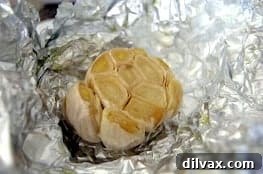
- Bake to Perfection: Place the foil-wrapped garlic on a baking sheet or directly on the oven rack. Bake for 30-45 minutes, or until the cloves are golden brown, very soft, and tender when lightly squeezed. The cooking time can vary depending on the size and freshness of your garlic.
- Cool and Extract: Once roasted, remove the garlic from the oven and let it cool slightly in the foil packet until it’s comfortable enough to handle.
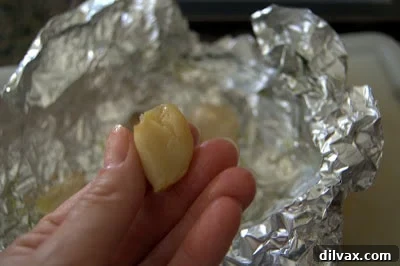
- Remove Cloves: To extract the individual cloves, you can gently squeeze the bottom of the garlic head, and the soft, roasted cloves will pop right out. Alternatively, you can use a small knife to carefully slice through the skin and scoop out the pulp.
Tips for Perfect Roasted Garlic:
- Don’t Rush It: Allow adequate time for the garlic to roast until completely tender. Undercooked roasted garlic can still have a raw bite.
- Storage: Roasted garlic can be stored in an airtight container in the refrigerator for up to 5 days. For longer storage, mash the cloves and cover them completely with olive oil in a jar; this can last for up to 2 weeks, but be mindful of botulism risks if not refrigerated properly or if storing for extended periods. Freezing mashed roasted garlic in ice cube trays is also an excellent option.
- Experiment with Herbs: Before wrapping, you can add a sprig of rosemary or thyme for an aromatic twist.
Mastering Roasted Red Peppers: A Burst of Smoky Sweetness
Just like garlic, red peppers undergo a magical transformation when roasted. Their vibrant skin chars and blisters, infusing the flesh with an irresistible smoky flavor, while their natural sweetness intensifies. The roasting process also makes the skin incredibly easy to remove, leaving you with tender, juicy, and intensely flavorful pepper flesh that is perfect for a wide array of culinary applications.
Why You Should Roast Red Peppers
- Enhanced Flavor: Roasting brings out the pepper’s natural sweetness and adds a distinctive smoky, charred dimension.
- Tender Texture: The firm flesh becomes wonderfully soft and succulent.
- Easy Peeling: The blistering of the skin during roasting makes it incredibly easy to peel away, which is crucial for many recipes.
- Versatility: Roasted red peppers are fantastic in dips, sauces, salads, sandwiches, and as a garnish.
- Nutritional Value: Red peppers are packed with vitamins A and C, and roasting retains much of their goodness.
Inspiring Uses for Roasted Red Peppers
Once you’ve mastered the art of roasting red peppers, you’ll find endless ways to incorporate them into your cooking:
- Dips & Spreads: The star of classic muhammara or romesco sauce. Blend them into hummus or cream cheese for a flavorful spread.
- Salads: Add strips to green salads, pasta salads, or grain bowls for color, texture, and flavor.
- Sandwiches & Wraps: Layer roasted pepper strips into sandwiches, paninis, or wraps for a gourmet touch.
- Sauces: Puree them into creamy pasta sauces, tomato sauces, or marinades.
- Antipasti & Appetizers: Serve them as part of an antipasto platter with olives, cheeses, and cured meats.
- Pizza & Flatbreads: A fantastic topping for homemade pizzas or flatbreads.
- Soups: Blend into roasted red pepper and tomato soup for incredible depth.
Step-by-Step Roasted Red Pepper Recipe
There are a few popular methods for roasting red peppers, each yielding delicious results. We’ll focus on the gas stove method for its speed and intense char, along with alternatives for electric stoves and grills.
Ingredients:
- 1-2 red peppers (or any color bell pepper)
- Olive oil (for storage, optional)
- Garlic slivers (for storage, optional)
Equipment:
- Tongs
- Bowl
- Plastic wrap or a plate
- Fine mesh sieve
- Cutting board and sharp knife
Instructions:
- Prepare the Pepper: Wash the red pepper thoroughly and dry it completely. Remove any stickers.
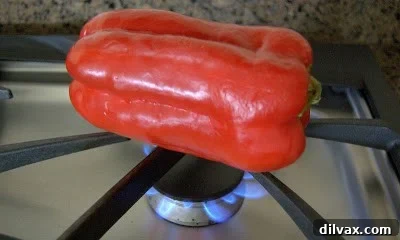
- Char the Pepper (Gas Stove Method): Turn a burner on your gas stove to high heat. Using tongs, carefully place the red pepper directly onto the grate over the flame.
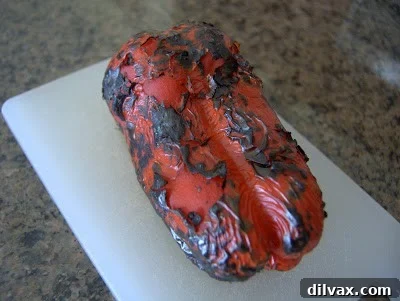
- Rotate for Even Charring: Continuously turn the pepper with tongs as it roasts, ensuring all sides are evenly charred and blistered. You’ll hear sizzling and popping sounds as the skin blackens and separates from the flesh – this is exactly what you want! The entire pepper should look almost completely black.
- Alternative Roasting Methods:
- Grill: Place peppers directly over medium-high heat on a grill, turning frequently until charred on all sides.
- Oven Broil: Place peppers on a baking sheet. Broil on high, turning every 5-7 minutes, until the skin is blackened and blistered. Keep the oven door slightly ajar to maintain high heat and watch carefully to prevent burning the flesh.
- Steam and Cool: Immediately after charring, transfer the hot pepper to a bowl. Cover the bowl tightly with plastic wrap or a plate. This crucial step traps the steam, which helps loosen the charred skin, making it much easier to peel. Let it steam for at least 15-20 minutes, or until cool enough to handle. Resist the urge to peek!
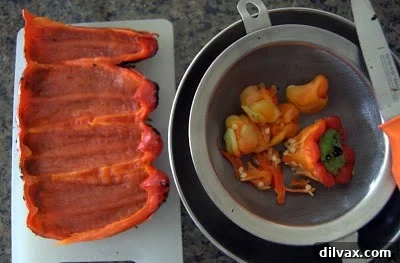
- Prepare for Deseeding & Peeling: Place a fine mesh sieve over another bowl. This setup will collect any seeds, juices, and skin bits, keeping your workspace clean and preserving the flavorful liquid.
- Remove Stem and Seed Pod: Once cooled, hold the pepper over the sieve. With a sharp knife, carefully cut around the stem, then pull the stem and the entire seed pod out in one piece. Place them in the sieve.
- Drain Excess Water: Hold the pepper upside down over the sieve to drain any accumulated water or juices. These juices are full of flavor, so let them drip into the bowl below.
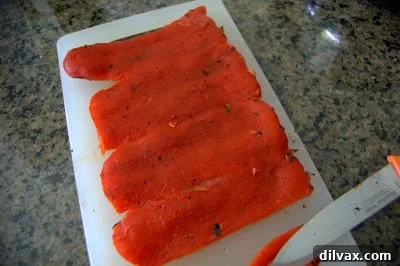
- Open and Flatten: Slice the pepper down its length and open it up, laying it flat on a cutting board.
- Remove Remaining Seeds: Scrape out any remaining seeds with your knife, adding them to the sieve.
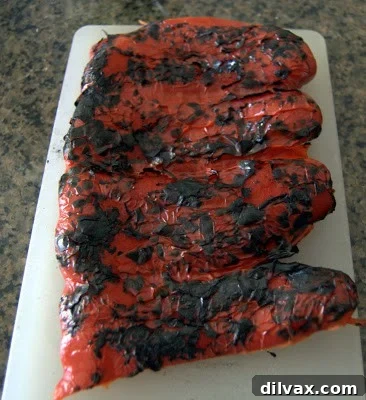
- Peel the Skin: Turn the pepper skin-side up. Using the back of your knife (or your fingers), gently scrape and peel off the charred skin. It should come off quite easily. Wipe any scraped skin into the sieve as you go.
- Resist Rinsing: It’s tempting to rinse off any stubborn bits of skin, but avoid doing so. Rinsing will wash away some of the delicious smoky flavor you worked so hard to achieve. Small charred bits add character!
- Slice and Store: Slice the peeled pepper into strips or dice it, as desired. Place the prepared pepper into the bowl containing the strained juices (remove the sieve). For longer storage, cover the peppers completely with olive oil and optionally add some garlic slivers. This preserves them and infuses additional flavor. Store in the refrigerator for one to two weeks.
Tips for Perfect Roasted Red Peppers:
- Choose Firm Peppers: Select firm, brightly colored red peppers free of blemishes.
- Don’t Under-Char: Ensure the skin is thoroughly blackened. If it’s not charred enough, the skin will be difficult to remove.
- Steaming is Key: This step is critical for easy peeling. Don’t skip or shorten it.
- Flavorful Juices: The liquid that drips from the peppers during deseeding and peeling is packed with flavor. Collect and use it in sauces or dressings!
Combining Roasted Garlic and Red Pepper: A Symphony of Flavors
While phenomenal on their own, roasted garlic and red peppers are truly a match made in culinary heaven. Their complementary flavors—the sweet, mellow depth of garlic and the smoky, sweet richness of the peppers—create a harmonious balance that elevates countless dishes. Imagine a bruschetta topped with a dollop of creamy roasted garlic, adorned with strips of vibrant roasted red pepper. Or a pasta sauce where these two ingredients form the flavorful foundation, melding together to create an unforgettable meal.
These two ingredients together can form the base of dips, such as a luxurious roasted red pepper and garlic hummus, or a creamy spread for sandwiches. They can be tossed with roasted vegetables, folded into scrambled eggs, or even pureed with a little broth to create a velvety soup. Their combined presence adds layers of complexity and gourmet appeal to even the simplest of recipes.
Your Culinary Journey Starts Now!
Congratulations! You now possess the knowledge to transform humble garlic and red peppers into culinary superstars. These techniques are not just recipes; they are fundamental skills that will empower you to create more flavorful, exciting, and satisfying meals. The beauty of roasted garlic and red peppers lies in their simplicity and immense versatility.
So, gather your ingredients, fire up your oven or stove, and embark on this delicious adventure. Experiment with the uses, combine them in new ways, and let your creativity flow. Mastering these two essential roasting methods will undoubtedly change the way you cook, and perhaps, even inspire new culinary passions. Go forth and infuse your kitchen with these incredible flavors – your taste buds, and those of anyone you share your creations with, will thank you!
Happy roasting!