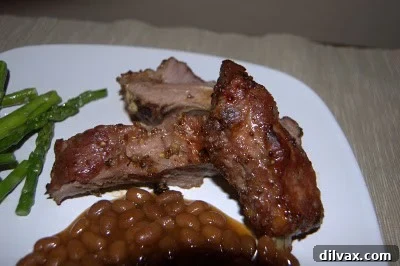
The Quest for Perfect Ribs: A Delicious Journey with Honey Mustard Baby Back Ribs
There’s an undeniable magic to perfectly cooked ribs. For me, it’s more than just a meal; it’s a culinary obsession, a quest for that elusive ideal of tender, succulent meat bathed in a gloriously sticky, flavorful sauce. My love for ribs is a well-acknowledged weakness, one that often leads me down a delicious path whenever a barbecue restaurant beckons. Yet, this passion is always tempered by a familiar hesitation: the fear of disappointment. Will they be truly good? Will they achieve that coveted balance of smoky, sweet, and tangy perfection? This internal debate is a common predicament for any serious rib enthusiast.
The perfect rib, in my humble opinion, must possess an exquisite texture – tender enough to fall off the bone with minimal effort, yet still retain a satisfying chew. And, of course, it needs a sauce that clings lovingly to every surface, delivering an explosion of flavor with each bite. My previous experience with homemade ribs, particularly the Barbecued Spare Ribs from Day 115, set a remarkably high bar. Those ribs were a revelation, earning a perfect 4 rolling pin rating from my entire family, a testament to their exceptional quality. They were, in a word, spectacular.
Having achieved such success, I was naturally drawn to the Spicy Honey Mustard Ribs recipe featured on “A Couple In The Kitchen.” The idea of combining the distinct sweetness of honey with the sharp tang of mustard for a rib sauce immediately piqued my interest. Given our previous triumph, I approached this new recipe with immense enthusiasm, hoping to replicate that memorable experience. Deciding to follow their original recipe without any modifications, I embarked on a fresh culinary adventure, eager to discover if these honey mustard ribs could live up to the high standards set by their predecessors and perhaps even join the ranks of my all-time favorite homemade rib recipes.
Crafting Your Own Honey Mustard Ribs: A Culinary Journey
Embarking on the journey of making homemade ribs can be incredibly rewarding, and this Honey Mustard Spare Ribs recipe promises a delightful blend of sweet and savory notes. Designed to serve approximately four hungry individuals, it’s a fantastic choice for a family dinner or a small gathering. The preparation process is straightforward, emphasizing flavor infusion and tenderness, ensuring that with a little patience, you can achieve delicious results right in your own kitchen.
Essential Ingredients:
- 1 rack of baby back spare ribs: Opt for a good quality rack with a decent amount of meat. Baby back ribs are known for their tenderness and lean profile, making them a popular choice for oven baking.
- 2 tablespoons of whole ground mustard: The robust flavor of whole ground mustard provides a fantastic base for the rub, offering a pungent, earthy note that complements the pork beautifully.
- 3 tablespoons honey: Pure, natural honey is crucial here. It contributes a lovely sweetness and helps create that desirable sticky glaze during the final baking stage.
Preparation Phase: The Overnight Mustard Embrace
The secret to deeply flavorful and tender ribs often begins long before they even touch the heat. This recipe cleverly utilizes an overnight marination with mustard, allowing its enzymes and distinctive taste to penetrate the meat. This crucial step not only tenderizes the ribs but also lays down a foundational layer of flavor that will shine through in the final dish.
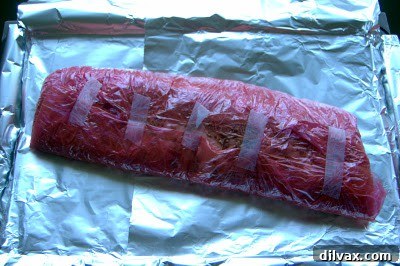
The night before you plan to serve dinner, dedicate a few moments to thoroughly prepare your ribs. Begin by ensuring the ribs are clean and patted dry. Then, take the whole ground mustard and generously apply it over the entire surface of the rack. Don’t be shy; ensure every nook and cranny is covered. The mustard acts as a fantastic tenderizer and introduces a subtle tang that will balance the sweetness of the honey later on. Once coated, wrap the ribs tightly in plastic wrap. This helps lock in moisture and allows the mustard’s flavor to fully infuse into the meat. Place the wrapped ribs in the refrigerator and let them marinate overnight. This extended period is vital for achieving that desired depth of flavor and tenderness.
The Cooking Process: Slow Bake to Perfection
The cooking process for these honey mustard ribs involves a two-stage approach: an initial slow bake to tenderize the meat, followed by a higher-temperature finish to create that beautiful, caramelized crust. This method ensures the ribs are succulent on the inside and deliciously glazed on the outside.
To begin preparing dinner, preheat your oven to 350 degrees Fahrenheit (approximately 175 degrees Celsius). While the oven heats, prepare a rimmed baking sheet. The key to successful oven-baked ribs is trapping moisture, and foil is your best friend here. Line the baking sheet with two long sheets of heavy-duty aluminum foil, arranging them in a criss-cross pattern. Ensure there’s enough overhang so that you can completely enclose the ribs later. This double layer provides extra insulation and prevents any juices from escaping.
Carefully place the mustard-coated ribs onto the prepared foil, bone side down. This orientation helps protect the meat during the initial baking phase and promotes even cooking. Now, meticulously seal all the edges of the tin foil together, forming a tight pouch around the ribs. It’s crucial to ensure the foil does not touch the top of the ribs; this creates a small tent that allows steam to circulate effectively, tenderizing the meat without drying it out. The goal here is to create a moist, steamy environment akin to braising, which is essential for breaking down the tough connective tissues in the ribs.
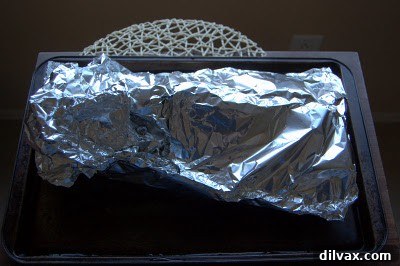
Next, carefully fill the bottom of the pan with about 1/4 inch of water. This water will create steam within the foil pouch, further contributing to the ribs’ tenderness and preventing them from drying out during the long bake. Place the baking sheet into the preheated oven and bake for one hour. This initial hour is all about slow and gentle cooking, allowing the meat to become succulent and moist.
After one hour, carefully remove the ribs from the oven. The foil pouch will be hot and contain accumulated juices, so handle with care. Gently unwrap the ribs, peeling back the foil to expose the partially cooked meat. At this point, the ribs should look cooked through but will not yet have that signature caramelized exterior.
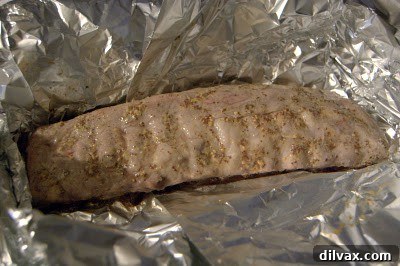
Now comes the time to introduce the honey and build that beautiful glaze. Place the unwrapped ribs onto a fresh baking sheet (or carefully clean the original one). Using a pastry brush, generously brush the entire surface of the ribs with the honey. The honey will not only add sweetness but also contribute to a glorious, sticky crust when exposed to higher heat.
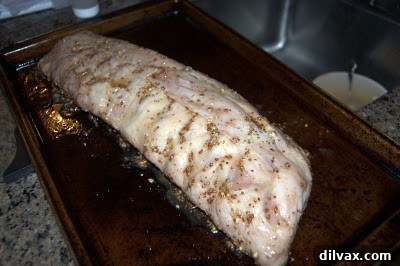
Increase the oven temperature to 400 degrees Fahrenheit (approximately 200 degrees Celsius). Return the honey-glazed ribs to the oven, this time uncovered. Bake for an additional 15 minutes. This higher temperature will allow the honey to caramelize and create that appealing slightly crisp, sticky exterior that is so desirable in ribs. Keep a close eye on them during this final stage to prevent burning, as honey can brown quickly.
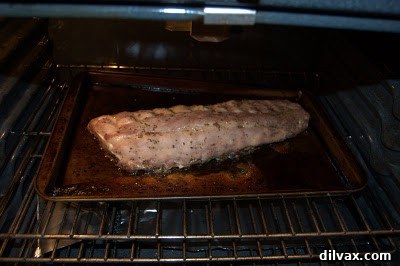
If, after 15 minutes, the ribs are not sufficiently browned or you desire an even crispier texture, you can briefly place them under a broiler set on high. Watch them very carefully, as the broiler works quickly, and you want to achieve a beautiful char, not a burnt mess. A minute or two is usually enough to achieve that perfect finish.
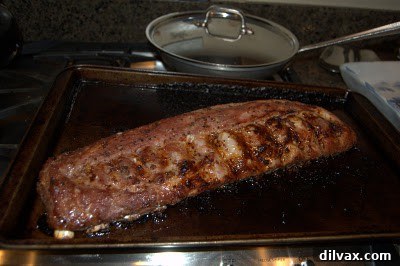
The Honest Verdict: A Learning Experience in Rib Perfection
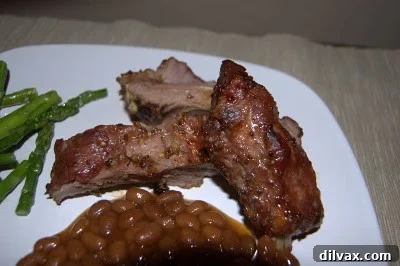
After all the anticipation and preparation, it’s time for the ultimate taste test. While every dish is a culinary adventure, not all journeys lead to the exact destination we envision. As an avid home baker and cook, I rate everything I prepare on a scale of 1 to 4, with 4 representing absolute perfection. Unfortunately, despite the promising honey and mustard combination, these ribs did not achieve the high standard set by my previous successful rib recipes. They earned a rating of 1 1/2 rolling pins, indicating significant room for improvement.
The primary issue was the meat itself. There was a noticeable imbalance: an abundance of meat but not nearly enough sauce to coat and flavor it adequately. More critically, the meat was tough and stubbornly clung to the bone, failing to achieve that coveted “fall-off-the-bone” tenderness that defines truly great ribs. This suggested that the baking time, at just one hour in the foil, was insufficient for the connective tissues to properly break down.
Recalling my previous triumph with ribs, which involved a much longer baking period of two hours (followed by a resting period to allow flavors to meld and juices to redistribute), it became clear that patience is indeed a virtue when it comes to tenderizing ribs. That extended, low-and-slow cooking method worked wonders, yielding incredibly tender and flavorful results. The honey/mustard flavor profile in this recipe was indeed pleasant and held great potential, but its impact was diminished by the lack of sauce and the meat’s texture. There was definitely a need for more generous application of the sauce, perhaps even a second layer during the finishing bake, to truly make the flavors sing.
This experience, while not a resounding success, served as a valuable lesson. It underscored the importance of adequate cooking time for achieving optimal tenderness in ribs and the necessity of ensuring a proportional amount of sauce to complement the meat. Every cooking attempt, whether a triumph or a challenge, contributes to our growth as home chefs, pushing us to refine techniques and understand the nuances of ingredients.
Tips for Achieving Rib Perfection: Learning from Experience
Based on insights gained from this and other rib-cooking endeavors, here are some invaluable tips to help you achieve truly exceptional, fall-off-the-bone ribs in your own kitchen:
- Choose the Right Ribs: While baby back ribs are a great choice, ensure you select a rack with good marbling. Look for ribs that are meaty but not excessively thick, as this can affect cooking time and tenderness.
- Remove the Membrane: This is a crucial step often overlooked. On the bone-side of the ribs, there’s a thin, papery membrane. Removing it before cooking allows your rubs and marinades to penetrate the meat more effectively and prevents the ribs from becoming tough or chewy. Use a knife to lift an edge, then grip with a paper towel and peel it off.
- Embrace the “Low and Slow” Method: For maximum tenderness, ribs thrive on extended cooking at lower temperatures. Baking ribs for at least 2 to 3 hours at around 275-300°F (135-150°C) while wrapped in foil will yield much more tender results than shorter, higher-temperature methods. The longer cooking time gives the collagen in the meat ample opportunity to break down into gelatin, resulting in that melt-in-your-mouth texture.
- The Power of Resting: Just like with steaks or roasts, allowing your ribs to rest after cooking is vital. Once removed from the oven, keep them loosely tented with foil for 10-15 minutes before slicing. This allows the juices to redistribute throughout the meat, ensuring every bite is succulent and flavorful.
- Don’t Skimp on the Sauce: If a recipe calls for a specific amount of sauce, consider if it’s truly enough for the volume of meat. For intensely flavorful ribs, a generous application of sauce is key. You might even want to apply a second coating during the final baking stage or serve extra sauce on the side for dipping.
- Enhance Your Rub: While mustard and honey are excellent, consider adding other aromatic spices to your initial rub for greater depth. Smoked paprika adds a lovely BBQ flavor, garlic powder and onion powder enhance savoriness, and a pinch of cayenne or chili powder can introduce a subtle kick.
- Broiling with Caution: Broiling is excellent for caramelizing sauces and getting a crispy finish, but it happens very quickly. Keep a watchful eye on your ribs under the broiler to prevent them from burning, especially with sugar-rich sauces like honey mustard.
Serving Suggestions for Your Delicious Ribs
Once your homemade honey mustard ribs are perfectly cooked, tender, and glazed, they deserve to be presented alongside equally delicious accompaniments. Classic barbecue side dishes always pair wonderfully. Consider serving them with a refreshing coleslaw, creamy potato salad, hearty baked beans, or fluffy cornbread. A simple green salad or some roasted vegetables can also provide a fresh contrast to the rich flavors of the ribs. Slice them between the bones and arrange them artfully on a platter for an impressive presentation.
A Final Note on the Endless Rib Journey
My passion for ribs remains as strong as ever, and while this particular rendition of Honey Mustard Ribs didn’t quite hit the mark of perfection, it was a valuable learning experience. Every dish we attempt in the kitchen, whether it succeeds spectacularly or offers lessons for improvement, contributes to our culinary journey. It’s about understanding ingredients, refining techniques, and ultimately, finding immense joy in the process of creating delicious food for ourselves and our loved ones.
I encourage you to try your hand at making homemade ribs, to experiment with flavors, and to discover what makes your perfect rib. Don’t be afraid to adjust recipes and learn from your own kitchen adventures. Happy cooking, and may your next rack of ribs be gloriously tender and bursting with flavor!