
Discovering the Delight of Homemade Carrot and Raisin Bread: A Wholesome Baking Journey
Baking can sometimes lead to unexpected culinary treasures. When I first stumbled upon this recipe, I admit, my initial reaction was a skeptical “eew.” Visions of overly sweet, dense loaves or an uncanny resemblance to a bland carrot cake danced in my head. However, a quick glance at the ingredients – particularly the generous two cups of shredded carrots and half cup of raisins – quickly shifted my perspective. “Hmm,” I mused, “this might actually be quite healthy, at least as far as baked goods go!” What began as a venture into a potentially ‘healthy-ish’ treat from The New Doubleday Cookbook (p. 667, by Jean Anderson and Elaine Hanna, published by Doubleday, a division of Random House, Inc.; ISBN 0-385-19577-X) transformed into a surprisingly delicious experience I’m excited to share with you.
Unraveling the Mystery: The Art and Science of Sifting Flour
Before we dive into the delicious details of our carrot and raisin bread, let’s address a fundamental baking conundrum that, until recently, completely eluded me: the nuanced art of sifting flour. It wasn’t until I embarked on this grand baking project that I truly grasped the critical difference between “1 cup sifted flour,” “1 cup flour,” and “1 cup flour, sifted.” If you’re scratching your head, wondering if you’re alone in this baking bewilderment, rest assured, you are not!
Understanding Flour Measurement: Sifted Before, Sifted After, or Not At All?
The distinction, while seemingly subtle, profoundly impacts the texture and consistency of your baked goods. Allow me to demystify these common instructions:
- 1 cup sifted flour: This means you should sift the flour first, allowing it to aerate and remove any lumps, and *then* gently spoon it into your measuring cup, leveling it off with a knife without compacting it. This method provides the lightest and most accurate measurement by volume.
- 1 cup flour: This is your standard, everyday measurement. Simply scoop your measuring cup directly into the flour container, allowing the flour to naturally compact as you scoop, then level it with a knife. This results in a denser measurement by weight compared to sifted flour.
- 1 cup flour, sifted: For this instruction, you first scoop the flour into your measuring cup, level it off, and *then* transfer that measured amount into a sifter and sift it into your mixing bowl. While it still breaks up lumps, it doesn’t aerate the flour as much as sifting before measuring.
I genuinely learned this vital distinction from The Martha Stewart Baking Book just the other day, and I must confess, the revelation was astonishing. The texture difference it imparts, especially when you sift the flour *before* measuring, is remarkable. It makes you wonder how many recipes throughout the years might have achieved an even loftier, more delicate crumb had I only paid closer attention to this seemingly minor detail. It truly underscores the importance of precision in baking, transforming an ordinary ingredient into a key player in the final outcome of your loaf.
Wholesome and Delicious: Your Go-To Carrot and Raisin Bread Recipe
Now, let’s get to the star of the show – a recipe that promises a moist, flavorful, and surprisingly delightful bread. This recipe is straightforward, making it perfect for both novice and experienced bakers alike, and the payoff is truly worth every step. Here’s what you’ll need to create this wholesome loaf:
Ingredients:
- 2½ cups sifted unbleached flour: Remember our sifting lesson? Sift this first for the best texture. Unbleached flour provides a slightly heartier crumb.
- 1 tablespoon baking powder: The primary leavening agent, giving our bread its lift and airy structure.
- ½ teaspoon salt: Balances the sweetness and enhances all the other flavors in the bread.
- 1 cup firmly packed light brown sugar: Contributes to the bread’s moistness and provides a rich, caramel-like sweetness.
- 2 eggs, lightly beaten: Act as binders and add richness and moisture.
- ½ cup melted butter or margarine or cooking oil: I opted for melted butter for its superior flavor, but any of these work to add fat and moisture.
- ½ cup milk: Hydrates the dry ingredients and contributes to a tender crumb.
- 1 tablespoon finely grated orange rind (optional): I skipped this, but if you enjoy a citrusy zing that complements carrots and raisins beautifully, don’t hesitate to add it!
- ½ cup seedless raisins: I used golden raisins for a brighter color and slightly fruitier flavor, but standard dark raisins are equally delicious.
- 2 cups finely grated peeled carrots: The star vegetable, adding natural sweetness, moisture, and a lovely speckled appearance. Make sure they are finely grated for even distribution and tenderness.
Instructions:
- Prepare Your Oven: Preheat your oven to a steady 350ºF (175ºC). This ensures a consistent baking temperature from the moment your loaf enters the oven.
- Combine Dry Ingredients: In a large mixing bowl, sift together the measured flour (already sifted, as per our earlier discussion!), baking powder, and salt. This step ensures an even distribution of the leavening agent and prevents lumps.
- Incorporate Sugar: Add the light brown sugar to the sifted dry ingredients. Using your fingertips, gently rub the sugar into the flour mixture, breaking up any lumps. This not only disperses the sugar evenly but also helps to separate the flour grains, making for a lighter batter.
- Add Wet Ingredients & Mix: Add all the remaining ingredients – the lightly beaten eggs, melted butter (or chosen fat), milk, optional orange rind, raisins, and finely grated carrots – to the bowl with the dry mixture. Mix everything thoroughly until just combined. Be careful not to overmix, as this can develop the gluten too much, leading to a tougher bread. A few streaks of flour are acceptable.

- Prepare for Baking: Spoon the batter into a well-greased 9″ X 5″ X 3″ loaf pan. Ensuring the pan is thoroughly greased prevents sticking and makes for easy removal after baking.
- Bake to Perfection: Bake in the preheated oven for approximately 50 minutes. The loaf is ready when it shrinks slightly from the sides of the pan and feels springy to the touch.
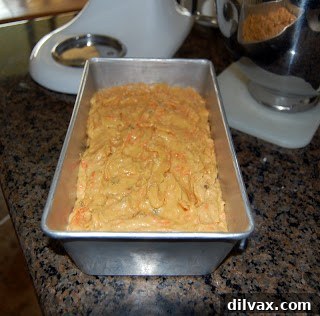
- Test for Doneness: (Note: Do not underbake!) To confirm doneness, insert a toothpick or a cake tester into the center of the loaf. It should come out clean, indicating that the bread is fully cooked through.
- Cooling Process: Cool the bread upright in the pan on a wire rack for 20 minutes. This allows the loaf to set without becoming soggy. After 20 minutes, carefully turn the bread out of the pan onto the wire rack to cool completely. Allowing it to cool entirely is crucial for optimal slicing and texture.
This loaf will cut much more easily and cleanly if you wrap it airtight and store it overnight before slicing. The flavors also meld beautifully with a bit of rest.

Mastering Your Bake: Essential Tips for Carrot and Raisin Bread Perfection
Achieving that perfect loaf isn’t just about following the recipe; it’s also about understanding the nuances of baking. Here are a few extra tips to ensure your Carrot and Raisin Bread turns out perfectly every time:
Don’t Underbake!
One of the most common pitfalls in baking quick breads is underbaking. While the top might look golden brown, the center could still be raw and doughy. Always rely on the toothpick test: a clean toothpick indicates the center is cooked. The slight shrinkage from the pan’s sides and the springy texture when gently pressed are also excellent indicators. An underbaked loaf will often sink in the middle and have a gummy texture.
The Magic of Cooling and Resting
Patience, as they say, is a virtue, especially in baking. The cooling process isn’t just about preventing burns; it’s an integral part of the bread’s development. Cooling the loaf in the pan for the initial 20 minutes allows it to firm up and prevents it from collapsing. Transferring it to a wire rack to cool completely ensures air circulation, preventing moisture from condensing and making the bottom soggy. But the real game-changer? Letting it rest overnight.
I cannot stress this enough: for the absolute best slice, wrap your bread airtight and let it sit overnight. The flavors deepen, the moisture distributes evenly, and the crumb sets, making it incredibly easy to slice without crumbling. This small act of patience elevates the bread from good to truly exceptional. This was a lesson I learned the hard way when I had just cut the most perfect, photogenic slice for a picture, only for my husband to casually ask, “Oh, is this my piece?” My frantic “NO!” was met with a cheerful, “Oops, too late.” What followed was a frustrating ordeal of trying to hack another decent slice out of the still-warm, tender loaf, resulting in half the loaf being unceremoniously demolished. The one pictured above was the best I could salvage before the entire loaf suffered a tragic, pre-mature demise. Trust me, wait for it!
The Verdict: A Surprisingly Delicious and Family-Approved Treat
Despite my initial reservations, I have to say I was profoundly and pleasantly surprised by the outcome of this bread. It tasted a lot better than I had anticipated! The loaf was perfectly sweetened – not overly saccharine like some dessert breads, but with just the right balance to highlight the natural sweetness of the carrots and raisins. Its texture was exquisitely moist, almost melt-in-your-mouth, and the overall flavor was simply delicious. I initially thought it would taste very similar to carrot cake, but it truly didn’t; it maintained a distinct ‘bread’ identity with a wholesome, comforting profile.
My Rolling Pin Rating System
My husband and son were equally enamored. In fact, my husband declared it “one of the best recipes I’ve made so far.” That’s high praise! While I absolutely loved it, I didn’t quite feel it reached a perfect ‘4’ on my personal rating scale. My system, for those curious, is based on a scale of 1-4, where 1 means “save yourself the time, money, and effort” and 4 signifies “this really takes the cake” (pun absolutely intended, it is a baking blog after all!). Therefore, I’m happy to award this wonderful Carrot and Raisin Bread a solid 3½ rolling pins. It’s a definite keeper!
Elevate Your Loaf: Customization and Serving Suggestions
While this Carrot and Raisin Bread is fantastic as is, it also lends itself beautifully to customization. Consider adding a handful of chopped walnuts or pecans for an extra layer of crunch and nutty flavor. A touch of ground cinnamon, nutmeg, or even a hint of ginger could further enhance its warm, comforting profile. For those who love a bit more sweetness and richness, a simple cream cheese glaze drizzled over the cooled loaf would be an absolute dream.
This versatile loaf makes for an excellent breakfast treat alongside your morning coffee or tea, a delightful afternoon snack, or even a light dessert. It’s wholesome enough for any time of day and guaranteed to bring a smile to anyone’s face.