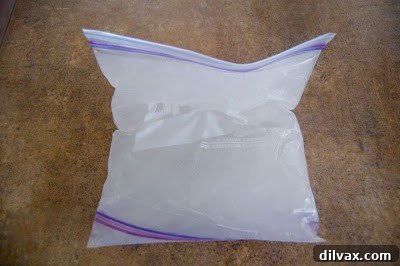
The Ultimate DIY Flexible Ice Pack: Say Goodbye to Leaks and Discomfort
For anyone who has ever reached for an ice pack only to be met with a watery mess, a soggy couch, or an unforgiving, rock-hard block of ice that refuses to conform to their body, this article is for you. The quest for the perfect ice pack often feels like an endless cycle of trial and error, usually ending in frustration. Store-bought gel packs eventually lose their effectiveness, and the homemade Ziploc bag full of ice? Well, that’s a whole different saga of leaks and rigid discomfort. But what if there was a simple, inexpensive, and incredibly effective solution that promised to end your ice pack woes forever? Prepare to discover the ultimate DIY flexible ice pack – a game-changer that will not only save your furniture but also provide superior relief.
The Ubiquitous Problem: Leaky, Rigid Ice Packs
It’s a familiar scenario: you’re settling down, perhaps after a long day or an intense workout, needing targeted cold therapy for an aching knee, a strained shoulder, or a throbbing headache. You grab what you think is a reliable ice pack – often a Ziploc bag filled with ice and a bit of water, a common, albeit flawed, makeshift solution. You place it on the affected area, expecting soothing relief. Instead, after just a few minutes, a tell-tale dampness begins to spread. Your clothes are wet, your chair is damp, and your carefully planned moment of relaxation is ruined. The culprit? A leaky ice pack. This isn’t just an inconvenience; it’s a source of genuine irritation, turning a moment of anticipated comfort into one of exasperated annoyance.
The problem is exacerbated by the fact that many makeshift ice packs freeze solid, becoming an unyielding block that simply cannot contour to the body’s natural curves. This rigidity means uneven cold distribution, reduced effectiveness, and increased discomfort. Trying to mold a frozen brick to a joint or muscle is an exercise in futility, often requiring constant adjustment and making it difficult to find a comfortable position. The constant battle with leaky, rigid ice packs not only wastes time and money on replacement bags but also detracts from the very purpose of cold therapy.
Understanding the Science: Why Ice Packs Leak
So, why do these simple ice-and-water bags so frequently fail? The answer lies in a fundamental property of water – a property we might have learned in elementary science class but often forget in practice: water expands when it freezes. Unlike most substances that contract when cooled, water behaves unusually. As liquid water cools, it contracts until it reaches approximately 4 degrees Celsius. Below this temperature, it actually begins to expand slightly, and upon freezing into ice, its volume increases by about 9%.
This peculiar behavior is due to the unique structure of the water molecule and its strong tendency to form a network of hydrogen bonds. In liquid water, these bonds are constantly forming and breaking, allowing molecules to pack relatively closely. However, as water freezes, these hydrogen bonds become more stable and force the molecules into a more open, crystalline structure. This “openness” is why ice is less dense than liquid water, allowing it to float. It’s also the reason a Ziploc bag, perfectly containing water at room temperature, will inevitably burst at the seams once its contents turn to ice in the freezer. The expanding ice exerts immense pressure on the bag, leading to tears and, ultimately, leaks.
This scientific reality explains why relying on pure water for a homemade ice pack is a recipe for disaster. The continuous cycle of freezing, expanding, and then thawing inside a flimsy plastic bag guarantees a messy outcome, impacting everything from your furniture to your mood. A truly effective ice pack needs a solution that prevents it from freezing solid, thereby eliminating the expansion and the subsequent leakage.
The Breakthrough Solution: A Homemade Flexible Ice Pack
Imagine an ice pack that remains flexible even after hours in the freezer, gently conforming to every curve of your body. Imagine one that delivers consistent, soothing cold therapy without a single drip or leak. This isn’t a pipe dream; it’s a reality achievable with a simple DIY recipe that combines common household ingredients. The secret lies in altering the freezing point of the water, preventing it from solidifying into an unyielding block.
This innovative approach tackles both major problems: the rigidity that prevents proper contouring and the expansion that leads to messy leaks. By creating a solution that stays slushy and moldable, you get an ice pack that truly performs, providing targeted relief exactly where you need it, every time. The satisfaction of finally having a reliable ice pack cannot be overstated, especially for active individuals or those managing chronic pain. The “ah-ha!” moment when you realize you’ll never have to deal with a leaky, rock-hard ice pack again is truly transformative.
Why This DIY Ice Pack Stands Out:
- Unparalleled Flexibility: Unlike traditional ice, this mixture remains slushy and pliable, allowing it to perfectly contour to any body part – knees, shoulders, ankles, back, neck, or head. This ensures maximum surface contact for effective cold therapy.
- Zero Leaks: By not freezing solid, the solution doesn’t expand, eliminating the risk of burst bags and messy spills. Your furniture, clothes, and sanity are safe!
- Cost-Effective: Made with inexpensive, readily available ingredients, this DIY solution is significantly cheaper than repeatedly buying disposable or store-bought gel packs.
- Reusable and Durable: Housed within double-bagged Ziploc freezer bags, these packs are built to last, offering long-term reliability and reducing waste.
- Adjustable Consistency: The ratio of ingredients can be fine-tuned to achieve your preferred level of slushiness, making it customizable to your specific needs.
Crafting Your Own Ultimate Flexible Ice Pack: The Recipe
This incredibly easy and inexpensive DIY project requires minimal effort and delivers maximum results. You’ll wonder why you didn’t discover this simple trick sooner! This recipe makes one quart-sized flexible ice pack.
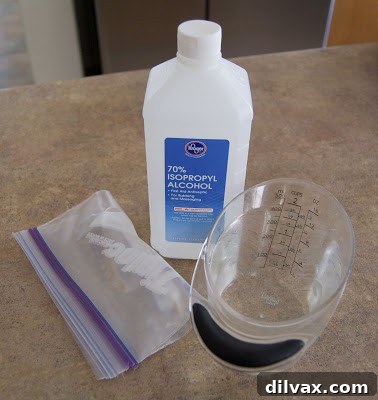
Materials You’ll Need:
- 2 cups of water
- 1 cup of rubbing alcohol (isopropyl alcohol)
- 2 Ziploc freezer bags (quart size recommended for this ratio, but other sizes can be used with adjusted quantities)
Step-by-Step Instructions:
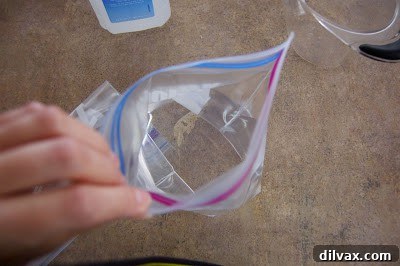
- Combine Ingredients: In one of the Ziploc freezer bags, carefully combine the 2 cups of water and 1 cup of rubbing alcohol.
- Seal the First Bag: Gently fold the top of the bag over itself just enough to create a small opening. Carefully press out as much excess air as possible from the bag before sealing it completely and securely. This minimizes air pockets, which can affect freezing consistency.
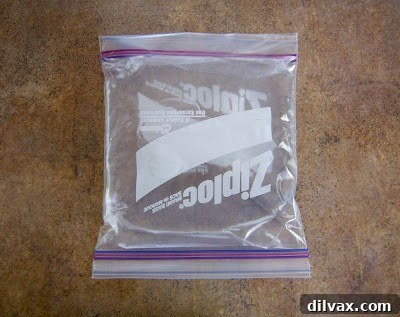
- Double Bag for Protection: Place the sealed bag containing the liquid mixture into the second Ziploc freezer bag, making sure the sealed end goes in first. This double-bagging technique provides an extra layer of protection against accidental leaks and tears, significantly extending the lifespan of your ice pack.
- Seal the Second Bag: Again, press out any excess air from the second bag before sealing it tightly. Ensure both bags are completely sealed to prevent any spills.
- Freeze: Place the double-bagged ice pack into your freezer. Allow it to chill for at least 12 hours, or until the contents reach a slushy, moldable consistency. It will not freeze solid like pure water.
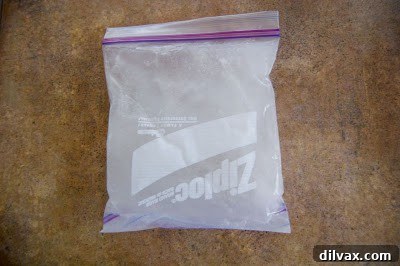
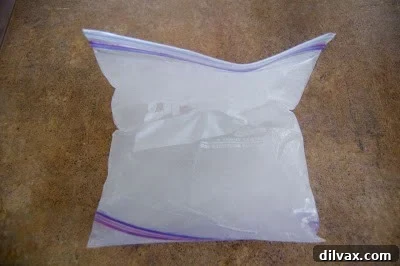
Upon removing it from the freezer, you’ll find that the pack is delightfully squishy and pliable, ready to conform to any part of your body. This soft, moldable texture is the key to its effectiveness and comfort.
 |
|
Unleash the Flexibility: Watch It Move! |
Customizing Your Ice Pack’s Consistency
The beauty of this DIY solution is its adaptability. If you find your ice pack is too solid after freezing, simply add a little more rubbing alcohol to the mixture. Alcohol lowers the freezing point of water more effectively. Conversely, if the pack is too slushy or liquidy for your preference, add a bit more water to make it slightly firmer. The ideal ratio is generally two parts water to one part alcohol, but don’t hesitate to experiment with small adjustments to find your perfect balance. This fine-tuning capability ensures that your homemade ice pack meets your exact cold therapy needs, whether you prefer a very soft, gel-like consistency or something slightly firmer.
Applications and Benefits: Beyond Just Sports Injuries
The versatility of these flexible ice packs extends far beyond treating the occasional bump or bruise. Their ability to mold perfectly to any body part makes them invaluable for a wide range of applications:
- Sports Recovery: Essential for athletes, these packs are perfect for icing shin splints, strained muscles, sprained ankles, aching knees, and shoulder soreness after intense training or competition. The flexibility ensures effective cold penetration for quicker recovery.
- Chronic Pain Management: For individuals suffering from conditions like arthritis, fibromyalgia, or chronic back pain, these flexible packs offer soothing relief that conforms comfortably to affected areas.
- Post-Surgical Care: After minor surgeries, doctors often recommend cold compression to reduce swelling and pain. These moldable packs are ideal for gentle, consistent application.
- Headaches and Migraines: The soft, pliable nature makes them comfortable to place on the forehead or neck, providing welcome relief from tension headaches or migraines without the discomfort of a rigid block.
- Fever Reduction: Applied to the forehead or armpits, they can help bring down body temperature comfortably.
- Everyday Aches and Pains: From a stiff neck after sleeping awkwardly to tired feet after a long day, these packs are your go-to for general discomfort.
The experience of using these DIY flexible ice packs is genuinely transformative. Imagine the relief of having an ice pack that hugs your body, delivering consistent cold without the annoyance of leaks or the discomfort of a hard block. For families with active members, like those involved in triathlons or cross-country running, these packs become indispensable tools for recovery and injury prevention. The peace of mind that comes from knowing you have an effective, leak-proof solution readily available is priceless.
Why This Is the Last Ice Pack You’ll Ever Need
We’ve rated this DIY Homemade Flexible Ice Pack a perfect 4 out of 4 (the “bee’s knees,” if you will!) for its outstanding performance and incredible value. It embodies everything you could want in an ice pack:
- Inexpensive: Created from common household items, saving you money in the long run.
- Flexible: Conforms perfectly to any body part, ensuring targeted and effective cold therapy.
- Consistently Cold (But Not Frozen Solid): Delivers optimal cooling without the harshness of solid ice.
- Absolutely No Leaks: The unique water-alcohol mixture prevents expansion and bag breakage, guaranteeing a clean and mess-free experience. (Of course, always ensure your bags are completely sealed!)
The ability to customize the size by using different Ziploc bags (snack, sandwich, or gallon) while maintaining the crucial two-parts-water-to-one-part-alcohol ratio makes these packs incredibly versatile. You can create a small pack for a child’s bumped knee or a large one for a sore back, all with the same reliability. This simple yet brilliant innovation has been a resounding success in countless households, including ours, proving itself to be an indispensable item for everything from athletic recovery to everyday comfort.
So, bid farewell to wet seats, ruined clothes, and the frustration of ineffective cold therapy. Embrace the ease, comfort, and reliability of the DIY flexible ice pack. It’s more than just a convenience; it’s a superior solution that will revolutionize the way you approach pain relief and recovery. Try it today, and experience the ultimate ice pack difference!
Recipe adapted from diyNatural.