The Ultimate DIY Flexible Ice Pack: Say Goodbye to Leaks and Discomfort!
Imagine a world where your ice pack never leaks, perfectly molds to your body, and stays cold without turning into an unyielding block of ice. Sound too good to be true? Not anymore! This isn’t just another ice pack; it’s the solution to all your cold therapy woes, designed to offer superior comfort and unparalleled relief without the messy aftermath.
How many times have you settled into your favorite chair, only to find yourself inexplicably wet a few minutes later, realizing a previous occupant left a watery surprise from a leaky ice pack? It’s a frustratingly common scenario that most of us have experienced. That uncomfortable chill and dampness can instantly ruin a relaxing moment, turning potential relief into an irritating chore. The incessant cycle of refilling, cleaning, and replacing broken bags can be exhausting, not to mention wasteful.
The Frustration with Traditional Ice Packs: A Universal Gripe
For years, many of us have relied on the simplest, albeit flawed, method: a Ziploc bag filled with ice and a “little bit” of water. While seemingly convenient at first glance, this homemade remedy often leads to repeated disappointment. The moment you place that bag into the freezer for future use, you’re inadvertently setting the stage for a leak. The question isn’t *if* it will break, but *when*.
The tell-tale sign? A pool of water in your freezer, a damp towel, or worst of all, a cold, wet spot on your clothes or furniture. This isn’t just an inconvenience; it’s a testament to a fundamental scientific principle often overlooked in our haste to find quick relief. The constant need to make a new bag, or worse, to wrap a secondary bag around a busted one, becomes a tiresome routine. “It’s only water,” you might hear, but that water can quickly escalate from a minor annoyance to genuine irritation when it interferes with your comfort and plans.
Picture this: You’ve got your favorite snack, a warm drink, and you’re finally settling down for a night of television after a long day. You place your makeshift ice pack on an aching muscle, ready to unwind. But just minutes into the show, that familiar cold dampness seeps through. You’re wet, you’re cold, and now, you’re utterly exasperated. It’s the kind of small annoyance that can push you to your wit’s end, especially when you’re seeking comfort, not chaos.
Understanding the Science: Why Water Ice Packs Fail
So, why do these seemingly simple Ziploc ice packs consistently burst? The answer lies in the unique properties of water, something many of us might have learned in elementary school but rarely apply to our everyday ice pack struggles. Simply put, **water expands when it freezes**.
While most liquids contract as they cool, water behaves differently. As liquid water cools, it contracts until it reaches approximately 4 degrees Celsius. After this point, it begins to expand slightly, and then dramatically expands by about 9% when it turns into ice. This peculiar behavior is due to the structure of the water molecule and its strong tendency to form a network of hydrogen bonds. These bonds create a more “open” crystalline structure in ice, making it less dense than liquid water, which is why ice floats.
This expansion is the silent culprit behind your leaky ice packs. If a Ziploc bag is filled with water that fits perfectly at room temperature, it has no room to accommodate this 9% expansion once frozen. The pressure builds, and inevitably, the bag’s seams give way, leading to those frustrating leaks. This understanding is key to creating a truly effective and leak-free ice pack.
Discovering the Ultimate Solution: A DIY Game-Changer
The good news is, there’s a brilliant, simple, and incredibly inexpensive solution that completely bypasses this freezing expansion problem. My own journey to a leak-free existence began when my daughter discovered a fantastic method for making homemade flexible ice packs. These aren’t just any ice packs; they conform to your body, remain pliable, and most importantly, **they don’t leak**!
The joy of finding this solution was immense. No more wet spots, no more ruined evenings, and no more dealing with rock-hard ice blocks that refuse to conform to your body’s curves. This DIY ice pack quickly became a household favorite, proving its worth with consistent and reliable performance. Even skeptics, like “Mr. 365” (my husband), were won over. The day he pulled one out, expecting his usual rigid ice pack, and instead found a perfectly squishy, moldable cold compress, he was ecstatic – like a kid in a candy store!
We found this ingenious idea from the wonderful resources at diyNatural, and now we’re sharing it with you. Get ready to transform your cold therapy experience forever.
DIY Homemade Flexible Ice Pack: Your Step-by-Step Guide
This recipe makes one flexible ice pack, and it’s so easy, you’ll wonder why you didn’t try it sooner. The magic lies in the addition of rubbing alcohol, which significantly lowers the freezing point of water, preventing it from turning into a solid, unyielding block.
Materials You’ll Need:
- 2 cups water: The primary component for cold retention.
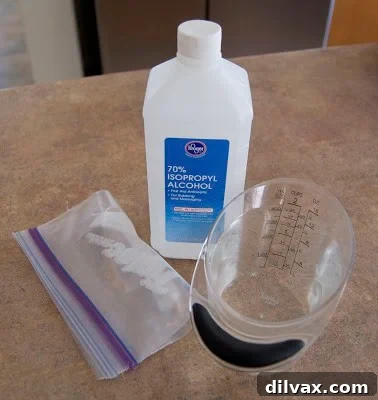
- 1 cup rubbing alcohol: The key ingredient that prevents complete freezing.
- 2 Ziploc freezer bags (quart size recommended): Doubling up provides extra leak protection.
Simple Assembly Instructions:
-
Combine Ingredients: In one of your Ziploc freezer bags, carefully combine the 2 cups of water and 1 cup of rubbing alcohol. Ensure the mixture is well integrated.

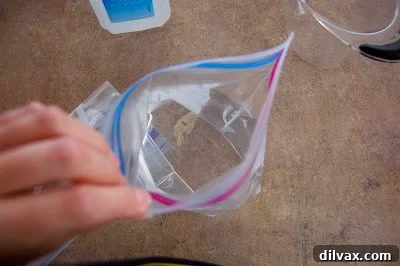
- Seal the First Bag (Carefully!): Gently fold the top of the bag over just enough to allow you to press out any excess air. Removing as much air as possible before sealing is crucial for preventing expansion and potential bursting. Once the air is removed, securely seal the bag.
-
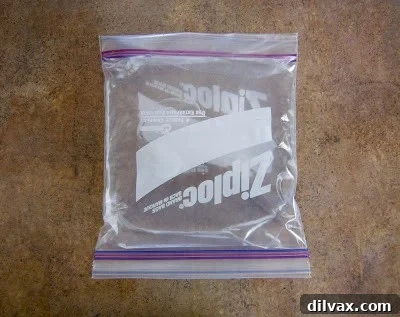
Double Bag for Security: Place the first sealed bag (containing the liquid mixture) into the second Ziploc freezer bag. Position it so the sealed end of the inner bag goes in first. This adds an extra layer of protection against any accidental leaks or punctures.
- Seal the Second Bag: Again, remove any excess air from the second bag before sealing it tightly. A good seal on both bags is vital for the longevity of your ice pack.
-
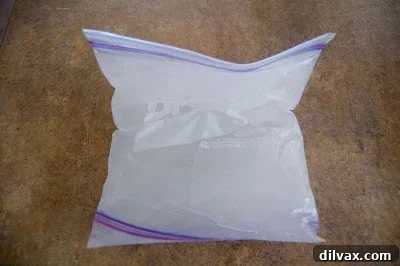
Freeze for Best Results: Place the double-bagged mixture into your freezer. Allow it to sit for approximately 12 hours, or until the contents reach a slushy, semi-solid consistency.
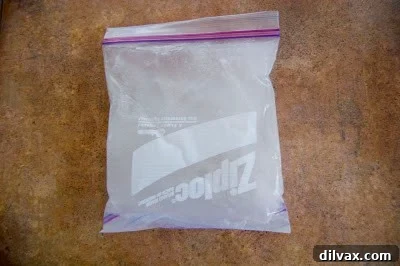
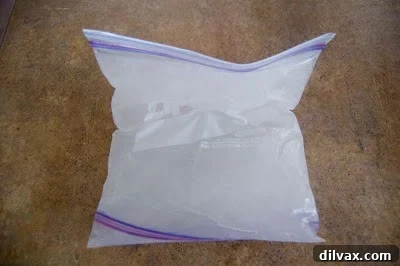
When you retrieve it, you’ll find that it hasn’t frozen completely solid. Instead, it will be delightfully mushy and flexible – this is the key to its effectiveness and ability to mold perfectly to any body part!
 |
|
Look, Ma, I can move! The ultimate flexible cold therapy. |
Why This DIY Ice Pack is a Game Changer: Unbeatable Benefits
This homemade flexible ice pack isn’t just a slight improvement; it’s a revolutionary upgrade to your cold therapy routine. Here’s why it stands out:
- Unrivaled Flexibility: Unlike rigid ice cubes or hard gel packs, this solution remains pliable, even when fully chilled. It perfectly conforms to the contours of your body – knees, ankles, shoulders, forehead – providing comprehensive and even cold coverage exactly where you need it most. This targeted relief is crucial for effective pain management and swelling reduction.
- Absolutely No Leaks: The combination of rubbing alcohol preventing complete freezing and the double-bagging technique ensures a completely leak-free experience. Say goodbye to wet clothes, furniture stains, and the constant hassle of cleaning up water puddles. This is the peace of mind you’ve been looking for.
- Incredibly Inexpensive: Made with common household items like water, rubbing alcohol, and Ziploc bags, the cost of creating these ice packs is astonishingly low compared to buying multiple store-bought gel packs. It’s an economical solution that delivers premium performance.
- Reusable and Durable: Once made, these ice packs are designed for repeated use. Simply return them to the freezer after each application, and they’ll be ready for your next need. Their robust construction, thanks to the double bagging, means they last significantly longer than single-use alternatives.
- Customizable Coldness: The ratio of water to alcohol can be adjusted to achieve your desired level of firmness. If you find your pack too solid, simply add a little more alcohol. If it’s too slushy, a bit more water will firm it up slightly. This level of customization ensures optimal comfort for various types of aches and injuries.
- Versatile Application: From soothing sports injuries like shin splints and sprains to alleviating headaches, post-operative swelling, or general muscle soreness, these packs are incredibly versatile. They are perfect for athletes, those recovering from injuries, or anyone seeking effective, comfortable cold therapy.
- Eco-Friendly Choice: By creating reusable ice packs, you reduce waste generated by disposable options, making it a more sustainable choice for your home and the environment.
Maximizing Your Flexible Ice Pack Experience: Tips for Success
To ensure your DIY flexible ice pack serves you well for a long time, here are a few extra tips:
- Adjusting Consistency: If, after freezing, your pack feels too solid and less flexible, add a small amount of extra rubbing alcohol (e.g., a tablespoon) to the mixture, reseal, and refreeze. If it’s too slushy or not cold enough, you can add a little more water. Always re-evaluate after adding ingredients and refreezing.
- Proper Sealing is Key: Always ensure both Ziploc bags are sealed perfectly tight. A tiny gap can lead to evaporation or, eventually, a leak. Press out as much air as possible from both bags before sealing to maximize flexibility and prevent stress on the seams.
- Different Sizes for Different Needs: Don’t limit yourself to quart-sized bags. You can use snack-sized bags for smaller areas like fingers or toes, sandwich bags for wrists or elbows, or even gallon-sized bags for larger muscle groups or back pain. Just remember to maintain the approximate 2:1 water-to-alcohol ratio and always double-bag.
- Safety First: While safe for external use, rubbing alcohol should not be ingested. Label your ice packs clearly to distinguish them, especially if you have children or pets in the house. Store them safely in the freezer.
- Cleaning and Maintenance: If the outer bag gets dirty, you can wipe it clean with a damp cloth or replace it with a fresh bag. The inner bag containing the solution rarely needs cleaning unless it somehow gets punctured.
Our family, especially with a daughter excelling in triathlons and a son on the high school cross country team, has truly come to appreciate these ice packs. They’ve become indispensable for icing shin splints, soothing tired muscles, and generally aiding in post-activity recovery. But beyond sports, they’re perfect for everyday aches, headaches, or simply cooling down on a hot day.
And for Momma? The greatest benefit of all is knowing there will no longer be any wet spots on the couch or a cold, unwelcome surprise waiting in her favorite chair. The days of icy puddles and unexpected dampness are officially over. This is not just an ice pack; it’s a commitment to comfort, cleanliness, and peace of mind.
Conclusion: Embrace Leak-Free, Flexible Relief Today!
Gone are the days of enduring leaky, rigid, and inefficient ice packs. This DIY homemade flexible ice pack revolutionizes cold therapy, offering an inexpensive, highly effective, and utterly leak-proof solution. Its ability to conform to your body provides superior relief, making it an essential item for every household. With its simple ingredients and straightforward instructions, there’s no reason to put up with frustrating traditional ice packs any longer.
Give this ingenious solution a try today. We rate it a perfect 4 out of 4, a true “bee’s knees” of ice packs, ensuring that you’ll never need another type of cold compress again. You heard it here: this is the ice pack to end all ice packs. Your body (and your furniture!) will thank you!