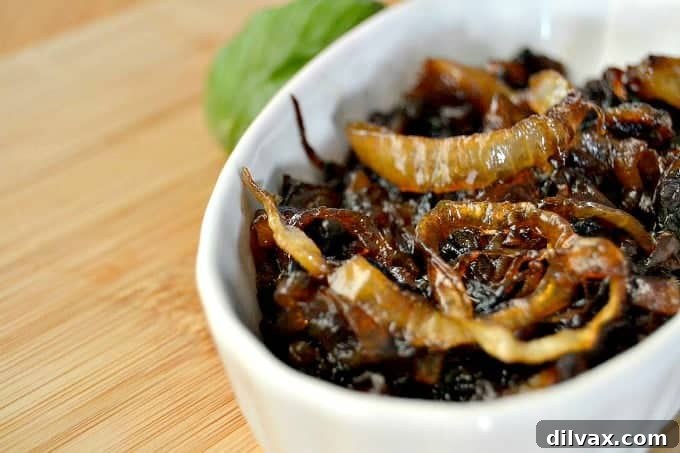
Mastering Caramelized Onions: The Ultimate Guide to Sweet, Savory Perfection
Transform humble onions into a culinary delight! Caramelized onions are incredibly easy to make and serve as the perfect topping, enhancing the flavor of everything from gourmet burgers and hearty sandwiches to succulent steaks and savory tarts. Dive into our comprehensive guide to unlock their full potential.
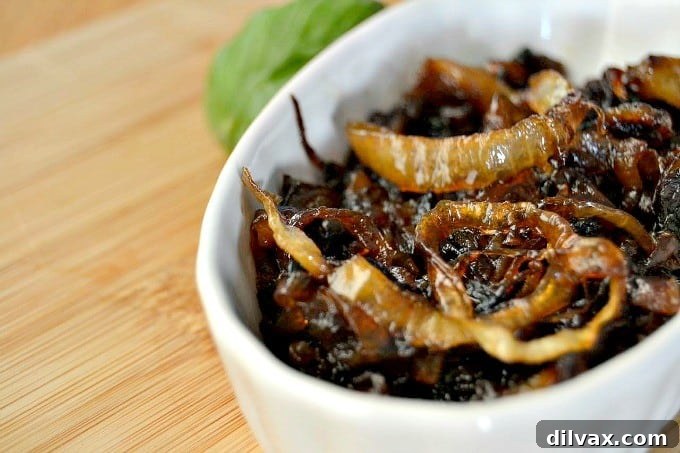
Are you ready to elevate your home cooking with a simple yet incredibly flavorful ingredient? We’re talking about caramelized onions. This seemingly basic process can add a depth of flavor to countless dishes that you might not have thought possible. Forget bland, watery onions; we’re aiming for rich, golden-brown strands bursting with natural sweetness. This guide will walk you through every step, ensuring your caramelized onions turn out perfectly every single time.
Why Every Home Cook Needs to Master Caramelized Onions
Caramelized onions are more than just a garnish; they’re a foundational flavor enhancer in many cuisines. The process of slow cooking onions transforms their pungent, sharp flavor into something remarkably sweet, savory, and complex. This transformation occurs as the natural sugars within the onion break down and caramelize through a chemical reaction known as the Maillard reaction. The result is a profoundly satisfying taste that can stand alone or complement a wide array of dishes.
Imagine biting into a juicy burger topped with a generous pile of sweet, tender onions, or a grilled cheese sandwich elevated by that extra layer of savory goodness. From classic French onion soup to sophisticated appetizers, mastering this technique will open up a world of culinary possibilities in your kitchen. It’s a skill that pays dividends in flavor for minimal effort, truly a game-changer for anyone looking to add gourmet touches to everyday meals.
Choosing the Right Onions for Caramelization
While most onions can be caramelized, some varieties yield better results due to their sugar content and flavor profile. Yellow onions are typically the top choice for caramelization. They have a higher sugar content than white onions and a robust flavor that mellows beautifully during the cooking process. Sweet onions, such as Vidalia or Walla Walla, are also excellent options if you prefer an even milder, sweeter caramelized onion, though they may caramelize a bit faster due to their higher water content.
Red onions can also be caramelized, offering a slightly different flavor and a beautiful reddish-purple hue. However, their flavor tends to be a bit more assertive even after caramelization, making them suitable for specific dishes where that character is desired. For a classic, versatile caramelized onion, stick with yellow or sweet onions.
The Art of Low and Slow: Essential Tips for Perfect Caramelized Onions
The secret to truly delicious caramelized onions lies in patience and a gentle hand. “Low and slow” isn’t just a suggestion; it’s the golden rule. Rushing the process will lead to burnt, bitter onions or simply sautéed onions, rather than the deeply flavorful, sweet, and jammy texture we’re aiming for. Dedicate at least 35-45 minutes (and often more, depending on the quantity and desired darkness) to achieve that perfect golden-brown hue and melt-in-your-mouth consistency.
One critical piece of advice: DO NOT put a lid on your pan while the onions are cooking. Covering the pan will trap steam, causing the onions to steam rather than slowly caramelize. This results in watery, mushy onions without the rich, concentrated flavor and color you’re seeking. The goal is to evaporate moisture, allowing the sugars to brown and deepen in flavor. Remember the old adage: oil and water don’t mix, and neither do steam and proper caramelization!
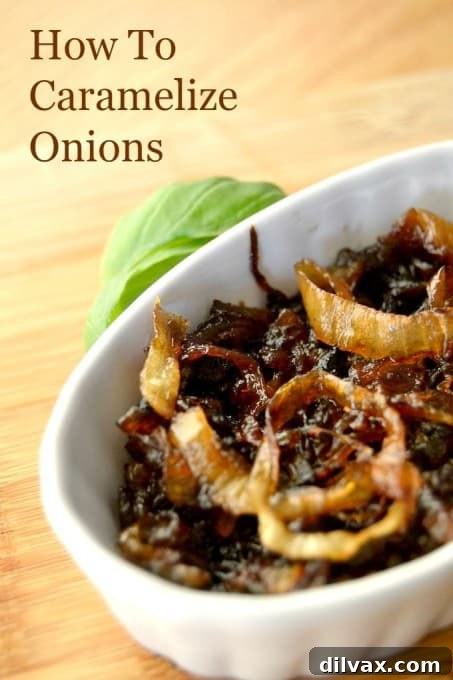
This insight, among others, comes from expert culinary resources like Bon Appétit, which emphasizes the importance of understanding the science behind the art. While the exact doneness is a matter of personal preference – some enjoy them lighter, others prefer them almost ‘burnt’ for maximum sweetness – the method remains consistent: patience is key.
The Ultimate Caramelized Onion Recipe: Step-by-Step
Here’s how to create a batch of perfect caramelized onions that will impress everyone at your table. This recipe is straightforward, focusing on technique to achieve the best flavor and texture.
Ingredients
- 2 large yellow onions
- 1 tablespoon salted butter
- 1 tablespoon olive oil
- 1-2 tablespoons chicken broth or water (for deglazing)
Instructions
- Prepare the Onions: Begin by slicing your onions thinly, aiming for a consistent thickness of about 1/8 to 1/4-inch. Uniform slices ensure even cooking. You can halve them first, then slice against the grain for longer strands, or with the grain for shorter pieces.
- Heat the Pan: In a large, heavy-bottomed skillet or Dutch oven, melt the butter over medium-low heat. Add the olive oil. The combination of butter and oil provides flavor and helps prevent scorching. Ensure the entire bottom of the skillet is coated to evenly distribute heat and fat.
- Add the Onions: Add all the sliced onions to the skillet. It might look like a lot at first, but they will cook down significantly. Stir to coat the onions evenly with the butter and oil mixture.
- Sauté and Stir: Sauté the onions for 35 to 45 minutes, stirring frequently (every 5-10 minutes initially, then more often as they soften and start to brown) to prevent sticking and ensure even caramelization. Maintain medium-low heat throughout the process. The onions will gradually soften, shrink, and transition from opaque to translucent, then to a beautiful golden-brown color. Adjust the heat as necessary; if they are browning too quickly, lower the heat. If they are just steaming without color, slightly increase it. The ideal state is a gentle sizzle, not a rapid fry.
- Deglaze the Pan (Optional, but Recommended): Just before removing the onions from the heat, add 1 to 2 tablespoons of chicken broth or water to the pan. This step, known as deglazing, helps release any flavorful browned bits that have accumulated on the bottom of the skillet, incorporating that rich “extra goodness” back into your onions. Stir well, scraping the bottom of the pan with a wooden spoon, until the liquid has evaporated.
- Serve or Store: Remove the caramelized onions from the heat. They are now ready to be enjoyed immediately or stored for later use.
Troubleshooting and Tips for Success
- Patience is Paramount: Do not rush the process. If you increase the heat too much, your onions will burn before they caramelize, resulting in a bitter taste. The goal is a slow, steady transformation.
- Stirring Matters: Frequent stirring ensures even cooking and prevents onions from sticking or burning in one spot. As they cook down, you’ll need to stir more often.
- Crowding the Pan: If you’re doubling the recipe, you might need to work in batches or use a larger pan. Too many onions in a pan will lower the temperature and release too much moisture, leading to steaming instead of caramelizing. If using more than two onions, add them in stages, allowing the first batch to cook down for about 20 minutes before adding more.
- Achieving Your Preferred Doneness: I personally love my caramelized onions deeply browned, almost to the point of being “burnt” for that extra burst of sweetness. However, if you prefer them lighter, simply remove them from the heat when they reach your desired color and tenderness. There’s no wrong way, as long as they are sweet and delicious!
- Seasoning: You can add a pinch of salt towards the end of the cooking process to enhance the flavor. Some people also like a tiny dash of sugar (brown or white) to help with caramelization, but with enough time, the natural sugars in the onion will do the trick.
Serving Suggestions: Beyond the Burger
Caramelized onions are incredibly versatile. While they are a stellar topping for burgers, hot dogs, and steak, their uses extend far beyond. Consider incorporating them into:
- Sandwiches and Wraps: Elevate any deli sandwich, grilled cheese, or panini.
- Pizzas and Flatbreads: A fantastic base or topping, especially with goat cheese or blue cheese.
- Eggs: Fold them into omelets, scrambles, or serve alongside a fried egg.
- Soups: Essential for a classic French onion soup, or as a flavor booster for other savory soups.
- Dips and Spreads: Mix into cream cheese for a savory spread, or combine with sour cream for a gourmet onion dip.
- Tarts and Quiches: A perfect savory filling with cheese and herbs.
- Side Dishes: Serve alongside roasted vegetables or mashed potatoes.
- Braised Meats: They add a rich, sweet component to pot roasts or stews.
Storage and Make-Ahead Tips
Caramelized onions are excellent for meal prepping. Once cooled, store them in an airtight container in the refrigerator for up to 4-5 days. They can also be frozen for up to 3 months. To freeze, portion them into ice cube trays or small freezer-safe bags. Thaw them in the refrigerator overnight or gently reheat them in a skillet.
Frequently Asked Questions About Caramelized Onions
- What’s the difference between sautéed and caramelized onions?
- Sautéed onions are cooked quickly over higher heat until soft and translucent, perhaps lightly browned. Caramelized onions are cooked slowly over low heat for a longer duration, allowing their natural sugars to break down and brown, resulting in a much sweeter, richer, and deeper flavor and a darker color.
- Can I use a slow cooker to caramelize onions?
- While it’s possible to “cook down” onions in a slow cooker, it typically results in a softer, more steamed onion that lacks the deep caramelization and intense sweetness achieved on the stovetop. The slow cooker method generally doesn’t allow for the necessary moisture evaporation and browning (Maillard reaction) that defines true caramelization. I’ve tried it once, and while edible, they certainly weren’t the deeply flavored, almost “burnt” caramelized onions I prefer.
- How long do caramelized onions last?
- Stored in an airtight container in the refrigerator, caramelized onions will last for 4-5 days. In the freezer, they can last up to 3 months.
- Can I add sugar to speed up the process?
- While a pinch of sugar can technically help in browning, true caramelization relies on the onions’ natural sugars and the slow cooking process. Adding too much sugar can lead to a sticky, overly sweet result and might cause them to burn more quickly without developing the full complex flavor.
Ready to Cook? Share Your Creations!
Now that you’re equipped with all the knowledge, go forth and create some incredible caramelized onions! They might take a little time, but the reward in flavor is absolutely worth it. I rate these caramelized onions, made the low and slow way, a solid 4 out of 4 rolling pins! That’s my highest rating, reflecting their sheer versatility and deliciousness.
Did you make this recipe? I’d love to see your creations! Share them with me on Instagram and make sure to follow me on Pinterest for more delicious recipes and cooking inspiration.
Join our community for more culinary adventures:
~ FOLLOW ME ~
~ FACEBOOK ~ PINTEREST ~
~ INSTAGRAM ~ TWITTER ~
SIGN UP FOR THE WEEKLY 365 DAYS OF BAKING & MORE
NEWSLETTER BELOW!
Discover Other Delicious Recipes You’ll Love
Looking for more reliable recipes that you can turn to time and again? Here are a few reader favorites:
Perfectly Baked Bacon
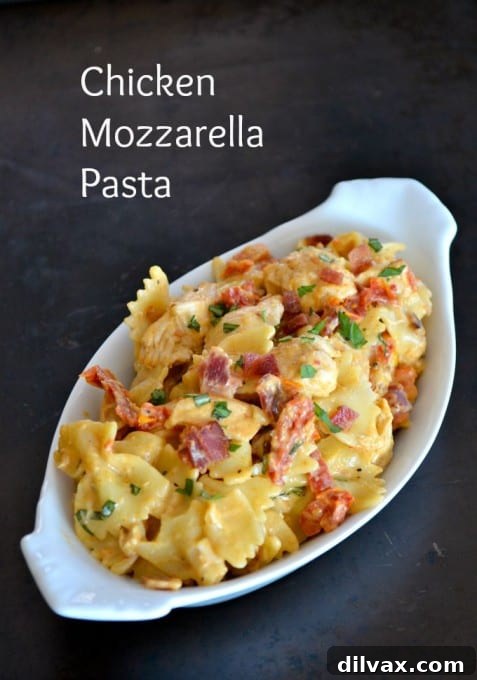
Creamy Chicken Mozzarella Pasta
Easy Crockpot BBQ Root Beer Shredded Chicken Sandwiches
Keep an eye out for our next exciting recipe, coming tomorrow or Friday! These preparatory recipes are leading up to something truly special next Monday, an adventure you won’t want to miss!