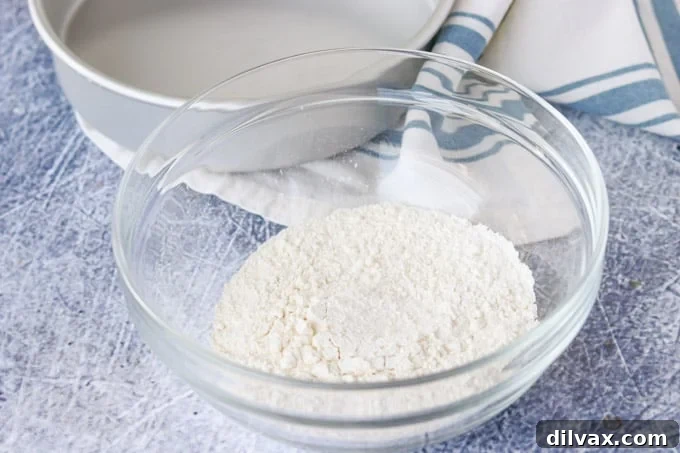
Homemade Cake Flour Substitute: Your Secret to Perfectly Light & Airy Cakes
Baking a cake often requires a specific type of flour known as cake flour. This specialized ingredient is cherished by bakers for its unique ability to produce cakes with an exceptionally light, tender, and airy crumb. Unlike all-purpose flour, cake flour has a significantly lower protein content, which directly impacts the gluten development in your batter. Less gluten means a softer, more delicate structure, leading to that coveted melt-in-your-mouth texture that distinguishes a truly outstanding cake.
But what happens when a recipe calls for cake flour, and your pantry reveals an empty box? The sudden realization can easily derail your baking plans, especially when you’re already in the middle of preparing ingredients. The good news is, you don’t have to put your apron away or rush to the store. This comprehensive guide will show you an incredibly simple yet effective way to create a perfect cake flour substitute right in your own kitchen, using ingredients you likely already have on hand. Prepare to elevate your baking without any last-minute stress!
Why Cake Flour Matters: The Science of a Perfect Crumb
To truly appreciate the magic of cake flour, let’s delve into the science behind its superior performance in delicate baked goods. The primary difference between various flours lies in their protein content. When flour is mixed with liquid, these proteins form gluten. Gluten is the elastic network that gives dough and batter structure. However, too much gluten can result in a tough, chewy texture, which is often undesirable in cakes.
- All-Purpose Flour: This versatile flour typically has a moderate protein content, ranging from 10% to 12%. It provides a good balance of strength and tenderness, making it suitable for a wide array of baked goods, from cookies and muffins to some breads.
- Bread Flour: With a higher protein content of 12% to 14%, bread flour is designed for strong gluten development. This is essential for creating chewy, airy breads that require robust structure to rise and hold their shape.
- Cake Flour: The true champion for tender baked goods, cake flour boasts a significantly lower protein content, usually between 6% and 8%. This minimal protein prevents excessive gluten formation, leading to a super-fine, delicate texture. Additionally, commercial cake flour is often bleached, a process that slightly modifies the starch molecules, allowing them to absorb more liquid and fat. This further contributes to a cake’s moistness and tender crumb, making it ideal for sponges, cupcakes, and other fine pastries.
When you substitute all-purpose flour directly for cake flour in a recipe, the higher protein content of the all-purpose flour will lead to more gluten development. This results in a cake that is denser and tougher than intended, lacking that characteristic light and airy quality. Understanding this fundamental difference highlights why a proper cake flour substitute is not just a convenience, but a necessity for achieving optimal results.
The Ingenious Cake Flour Substitute: All-Purpose Flour & Cornstarch
The solution to your cake flour dilemma is wonderfully simple and utilizes two incredibly common pantry staples: all-purpose flour and cornstarch. Cornstarch is a pure starch, meaning it contains virtually no protein. By replacing a small amount of the all-purpose flour with cornstarch, you effectively dilute the overall protein content of your flour mixture. This ingenious trick mimics the lower protein profile of commercial cake flour, transforming ordinary all-purpose flour into a specialty ingredient perfect for delicate baking.
The addition of cornstarch helps minimize gluten formation, allowing your cakes, cupcakes, and other fine baked goods to achieve that coveted soft, tender, and airy texture you desire. It’s a quick, easy, and remarkably effective baking hack that every home baker should have in their repertoire. This method ensures your cakes are consistently moist, fluffy, and have that delightful crumb that will impress everyone.
How to Make Cake Flour at Home: Step-by-Step Recipe
Created by: Lynne Feifer
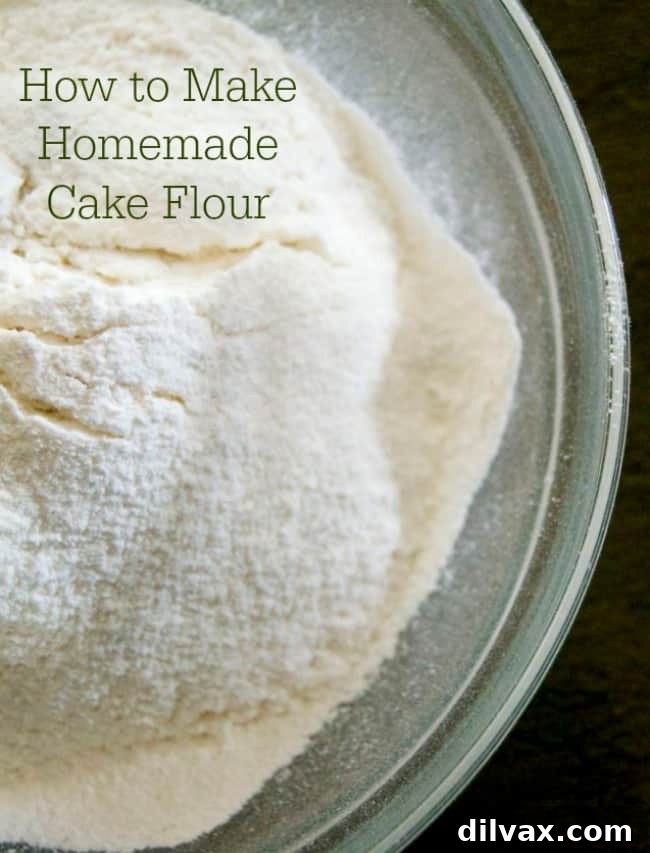
Homemade Cake Flour Substitute
This simple substitute is your go-to whenever a recipe calls for cake flour and you don’t have it on hand. Achieve the same light and tender crumb in your cakes with just two common ingredients!
Course: Dessert
Cuisine: American
Prep Time: 10 minutes
Total Time: 10 minutes
Yields: 1 cup cake flour equivalent
Equipment
- Medium bowl
- Sifter or fine mesh sieve
Ingredients (for 1 cup cake flour equivalent)
- 1 cup all-purpose flour
- 2 tablespoons cornstarch
Instructions
- Measure out 1 cup of all-purpose flour into a medium bowl. Ensure your measurements are accurate for the best results.
- From this 1 cup of all-purpose flour, carefully remove 2 tablespoons of flour. Place these 2 tablespoons back into your original all-purpose flour container or set aside for another use. You should now have approximately 1 cup minus 2 tablespoons of all-purpose flour in your bowl.
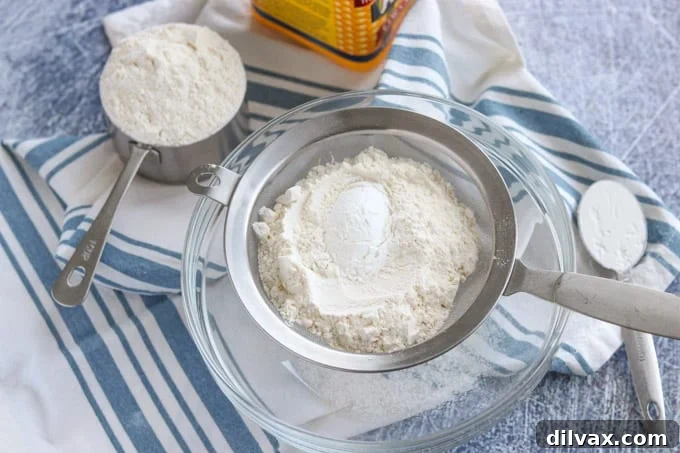
- Add 2 tablespoons of cornstarch to the flour in the bowl. It’s crucial to measure the cornstarch accurately to ensure the correct protein dilution.
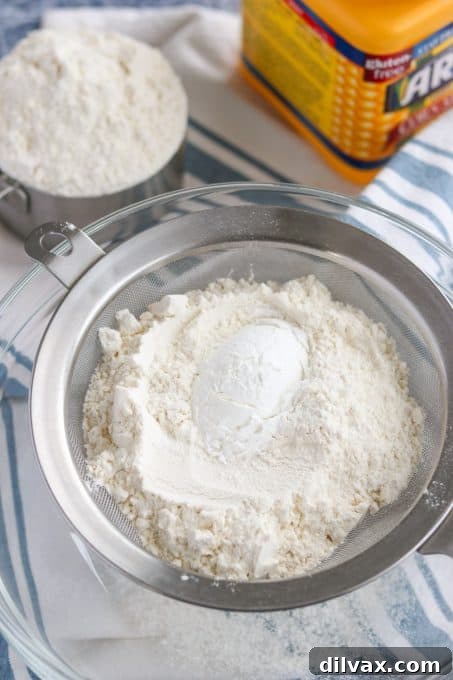
- Pour the combined flour and cornstarch mixture into a sifter or a fine mesh sieve. Sift the mixture together over another clean bowl. This step helps aerate the flour and thoroughly combine the ingredients, breaking up any clumps.
- Repeat the sifting process a second time. Sifting twice is vital to ensure the cornstarch is completely integrated with the flour and that the mixture is as light and fine as possible, mimicking the texture of commercial cake flour.
- Your homemade cake flour substitute is now ready to use! Remember, this method yields the equivalent of one cup of cake flour. If your recipe calls for more, simply multiply the ingredients and repeat the process for each cup needed.
Storing Your Cake Flour: Tips for Freshness and Longevity
Whether you’ve purchased commercial cake flour or meticulously crafted your own substitute, proper storage is paramount to maintaining its freshness, flavor, and optimal baking performance. Flour, especially finely milled varieties like cake flour, can be susceptible to moisture absorption, pantry pests, and developing off-flavors if not stored correctly. Investing a little time in proper storage can significantly extend the shelf life of your flour and ensure your baked goods always taste their best.
Many home bakers often wonder if cake flour requires refrigeration or freezing, particularly since it might not be an ingredient used every week. To provide you with the most reliable information, we sought advice from an expert, Jonathan from King Arthur Flour, a highly reputable source in the baking community, regarding this common question. Here’s what he shared:
“There really isn’t one correct answer to this, Lynne. Cake flour is quite shelf stable, so you don’t have to worry about rancidity. Instead, your biggest issue is bugs. That’s why we suggest storing flour in airtight containers in your pantry. Only whole grains such as rye or whole wheat need to be frozen. However, if your home is relatively pest-free, you can store them right in the container they come in.”
“Freezing really only helps keep whole grains from going rancid. We never suggest to use products beyond their best by dates, but you have some wiggle room for processed flours.”
Jonathan’s insights are incredibly clear and helpful. Here are the key takeaways and extended tips for optimal cake flour storage, ensuring your flour stays fresh for as long as possible:
- Airtight Containers are Essential: This is the golden rule for flour storage. As soon as you open a bag of cake flour (or prepare your homemade substitute), transfer it into an airtight container. Options include glass jars with tight-fitting lids, sturdy plastic food storage containers, or even heavy-duty freezer bags with all air pressed out. Airtight seals are critical for preventing moisture absorption, keeping out unwelcome pantry pests, and protecting the flour from absorbing odors from other foods in your pantry.
- Cool, Dry, Dark Place: The ideal environment for flour storage is a cool, dry, and dark location. Your pantry, a kitchen cabinet away from direct sunlight, or a cupboard located far from heat-emitting appliances like ovens, dishwashers, or refrigerators are perfect spots. Consistent, lower temperatures help slow down any potential degradation processes and extend shelf life.
- Refrigeration/Freezing for Processed Flours (Optional, not mandatory): As Jonathan explained, processed flours like all-purpose and cake flour are generally shelf-stable at room temperature because their oils have been removed or significantly reduced. Unlike whole grain flours, which contain natural oils that can quickly go rancid, processed flours do not inherently benefit from cold storage for freshness. If you choose to refrigerate or freeze, ensure the flour is in an absolutely airtight container to prevent it from absorbing moisture or odors, which can ruin its texture and flavor. Allow frozen flour to come to room temperature before using to prevent condensation.
- Monitor Expiration Dates and Sensory Cues: While processed flours do offer “wiggle room” past their “best by” dates, it’s always prudent to use them within the recommended timeframe for optimal baking performance. Always trust your senses: if your flour smells musty, sour, rancid, or has any visible signs of discoloration or mold, it’s best to discard it. A quick sniff test can save your entire baking project.
By diligently following these straightforward storage guidelines, your cake flour – whether store-bought or your fantastic homemade version – will remain fresh, potent, and ready to help you create delicious, perfectly textured cakes for many months to come. This ensures you’re always prepared for that next baking inspiration!
Elevate Your Baking: Recipes That Shine with Cake Flour
Now that you’re an expert at making your own cake flour substitute, it’s time to put your newfound knowledge to spectacular use! The unique properties of cake flour make it an invaluable ingredient for recipes where a delicate crumb, tender texture, and graceful rise are paramount. These are the recipes where cake flour truly shines, transforming ordinary baked goods into extraordinary delights. Here are some fantastic recipes from our collection that specifically benefit from the ethereal tenderness that cake flour provides:
- Banana Cake with Cream Cheese Frosting: Achieve a wonderfully moist yet incredibly light banana cake that perfectly complements a rich, tangy cream cheese frosting.
- Citrus Layer Cake: Ensure each layer is tender and airy, infused with bright citrus notes, making it an elegant choice for any celebration.
- Oreo Cake: Experience an incredibly soft and delicate chocolate cake base that provides a delightful contrast to the crunchy Oreo cookie pieces.
- Orange Spice Cake with Cran-Raspberry Filling and Vanilla Bean Frosting: A complex and aromatic flavor profile demands a delicate cake structure to ensure perfect balance and a harmonious eating experience.
- 7Up Pound Cake: Even traditional pound cakes, known for their density, benefit from cake flour, resulting in a finer, less coarse crumb and a more refined texture.
- Mississippi Mud Cake: For a lighter, more refined chocolate experience in this rich and decadent classic dessert.
- Lemon Ricotta Pound Cake: Cake flour ensures this incredibly moist and flavorful pound cake remains tender and fluffy without becoming overly heavy or dense.
Beyond our curated selection, many other esteemed baking resources offer valuable insights into the world of cake flour. For instance, Joy the Baker’s insightful post on cake flour substitutes delves deeper into the fundamental role this special flour plays in achieving baking perfection. We also frequently draw inspiration from fellow passionate bakers, such as Miss Amanda over at I Am Baker, who consistently shares fantastic homemade baking tips and creative recipes.
Conclusion: Bake with Confidence
Baking should be a joyful and creative process, free from the frustrations of last-minute ingredient panics. With this incredibly easy-to-make cake flour substitute, you are now empowered to tackle any cake recipe with unwavering confidence, knowing you can achieve that sought-after light, tender, and airy texture every single time. Embrace this simple yet powerful baking hack, experiment with our delicious recipes, and delight in the consistently outstanding results you’ll create.
May your kitchen be filled with wonderful aromas and your cakes always rise beautifully to the occasion! Happy baking!
Loved this baking hack? Share your creations!
If you try this homemade cake flour substitute or use it in one of our recommended recipes, we’d absolutely love to see your delicious results! Share your beautiful photos on Instagram and don’t forget to follow us on Pinterest for more inspiring recipes, clever baking tips, and culinary adventures.
Affiliate Disclosure
We are a participant in the Amazon Services LLC Associates Program, an affiliate advertising program designed to provide a means for us to earn fees by linking to Amazon.com and affiliated sites. This means that if you click on one of our affiliate links (such as the one for the medium bowl mentioned in the recipe) and subsequently make a purchase, we may receive a small commission from Amazon, at no extra cost to you. These modest commissions play a vital role in supporting our work, allowing us to continue sharing valuable recipes, helpful tips, and engaging content with our wonderful baking community. Please know that we only recommend products we genuinely believe in, have used ourselves, and wholeheartedly endorse. Your support is deeply appreciated!