

Mastering the Art of Freezing Blueberries for Year-Round Freshness
The peak of blueberry season brings an abundance of these delightful berries, often leaving us with more than we can possibly consume fresh. While the joy of picking a bountiful harvest is undeniable, the question quickly arises: how do you make that incredible freshness last? From pies and pancakes to muffins and smoothies, blueberries are a versatile addition to countless recipes. The good news is, preserving your blueberry bounty for the colder months is surprisingly simple, ensuring you can enjoy that summer taste long after the picking season ends. Forget soggy, freezer-burnt berries; with a few easy steps, you can freeze blueberries that taste just as vibrant as the day they were picked.
This comprehensive guide will walk you through the proper technique for freezing blueberries, a method so effective it will keep your berries tasting farm-fresh for months. Say goodbye to the fleeting joy of seasonal fruit and embrace a year-round supply of delicious, nutrient-packed blueberries!
Why Freeze Blueberries? The Benefits of Smart Preservation
Freezing blueberries is more than just a way to store excess fruit; it’s a smart strategy that offers numerous advantages:
- Extended Freshness: Properly frozen blueberries can maintain their peak flavor and nutritional value for up to 10-12 months, allowing you to savor summer’s sweetness deep into winter.
- Convenience at Your Fingertips: Imagine whipping up a batch of blueberry muffins or a refreshing smoothie any time you crave them, without a trip to the grocery store. Frozen blueberries are always ready when you are.
- Cost-Effective: Buying blueberries in season, when they are most abundant and affordable, and then freezing them, is significantly more budget-friendly than purchasing off-season berries.
- Retained Nutrients: Freezing is one of the best methods for preserving the vitamins, antioxidants, and fiber found in fresh blueberries. Unlike canning or dehydrating, freezing requires minimal processing, locking in those health benefits.
- Reduced Food Waste: Don’t let your hard-earned harvest go to waste. Freezing ensures that every precious berry finds a purpose, contributing to sustainable kitchen practices.
- Versatility: Frozen blueberries are incredibly versatile. They can be added directly to many recipes without thawing, or gently thawed for use in others, providing flexibility for all your culinary creations.
While we might not be bears preparing for hibernation, the desire to stockpile delicious food for future enjoyment is universal. Let’s dive into the simple yet effective method that ensures your frozen blueberries are just as delightful as their fresh counterparts.
Your Step-by-Step Guide to Perfectly Frozen Blueberries
Forget simply tossing them into a bag; there’s a technique that guarantees individually frozen berries, preventing them from clumping together and making them far easier to use. This “flash-freezing” method is a game-changer!
Step 1: The Harvest – Selecting Your Blueberries
The journey to perfectly frozen blueberries begins with the picking. Aim for firm, ripe berries that are uniformly blue in color. While it’s tempting to snack as you pick (and you absolutely should!), make sure to gather a substantial amount. Think beyond immediate consumption; you want enough to fill your freezer and satisfy your cravings for months to come. Whether you’re visiting a U-pick farm or simply buying a large quantity from a local market, choose berries that are free from blemishes or mold. The quality of your initial harvest directly impacts the quality of your frozen stash.
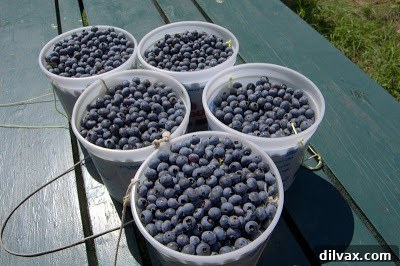 |
| Gathering a generous haul ensures a plentiful supply. There’s immense satisfaction in seeing your efforts result in such a vibrant bounty, ready to be enjoyed! |
For context, our family recently harvested five full buckets – a delightful accomplishment! This quantity ensures we’ll have plenty for both immediate indulgence and long-term storage, providing a true taste of summer throughout the year.
Step 2: Gentle Cleaning – Rinse and Drain Thoroughly
Before freezing, it’s essential to give your blueberries a gentle rinse. In batches, place the berries in a colander and rinse them under cool, running water. This helps remove any dust, dirt, or tiny leaves that may have clung to them during picking. Avoid soaking them, as this can cause them to absorb too much water and become mushy. Once rinsed, allow them to drain thoroughly in the colander. Excess water is the enemy of good frozen berries, as it can lead to ice crystal formation and freezer burn.
Step 3: The Freeze Prep – Single Layer on Baking Sheets
This is arguably the most crucial step for achieving perfectly frozen, non-clumped blueberries. Once drained, spread the berries in a single layer on a rimmed baking sheet. It’s important that the berries are not touching or overlapping significantly. This technique is known as “flash freezing” or “individual quick freezing” (IQF). By freezing them individually first, you prevent them from sticking together in a large, unmanageable block. When you later transfer them to bags, they will remain loose, allowing you to easily scoop out just the amount you need without having to chip away at a solid mass.
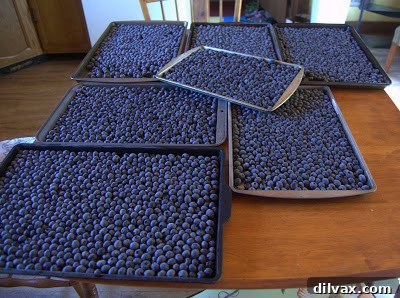
If you’ve harvested a substantial amount, as we did, you might find yourself needing several baking sheets. Don’t hesitate to borrow from friends or neighbors if your own supply is limited. Alternatively, you can work in batches, refrigerating some of the rinsed berries overnight and continuing the freezing process the following day.
Step 4: Pat Dry – Eliminating Excess Moisture
Even after draining, there might still be some residual moisture on the berries. To ensure the best freezing results, gently pat the berries dry using a paper towel or a clean, soft kitchen towel. This step is vital for minimizing ice crystal formation and preventing the berries from sticking to the baking sheet or developing freezer burn. Be gentle – blueberries are delicate! While a tiny bit of moisture is acceptable, a significant amount can lead to a less desirable texture and taste after freezing. Treat your berries kindly, and they’ll reward you with their pristine freshness.
Step 5: Initial Freeze – The Overnight Chill
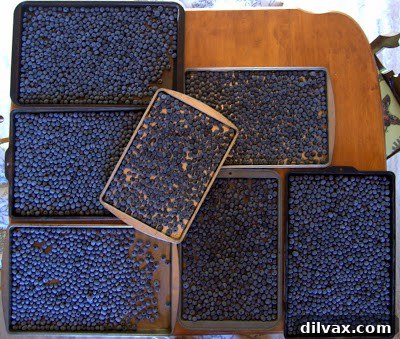
Once your berries are spread in a single layer and sufficiently dry, carefully place the baking sheets into your freezer. Ensure the sheets are level to prevent the berries from rolling and clumping. Allow them to freeze overnight, or for a minimum of 4-6 hours, until they are completely solid. This ensures that each berry is individually frozen and firm. Having a relatively empty freezer, as we did after a recent move, certainly helps with finding ample space for multiple trays!

Step 6: Storage – Bagging for Long-Term Freshness
After the berries are completely frozen, remove the baking sheets from the freezer. Using a large spatula or spoon, gently scrape the frozen berries from the pan. They should detach easily thanks to the single-layer freezing method. Transfer the frozen berries into heavy-duty freezer bags or vacuum-sealable bags. For convenience, measure out portions that are suitable for your typical recipes. For example, I found that placing 4 cups of blueberries into each quart-sized freezer bag was ideal, since there are four cups in a quart – a handy measurement for baking!
When transferring, take your time and move slowly to prevent the hard, round berries from scattering across your kitchen floor like marbles. Frozen blueberries have an uncanny ability to roll far and fast, often disappearing under cabinets or appliances, only to be discovered during a thorough spring cleaning months later!
Crucially, before sealing the bags, try to remove as much air as possible. Air is the enemy of frozen food, as it contributes to freezer burn. If you have a vacuum sealer, this is the perfect time to use it. If not, press out the air manually before zipping the bag closed. Finally, label each bag with the date and the quantity of blueberries inside. This simple step will save you guesswork later on.
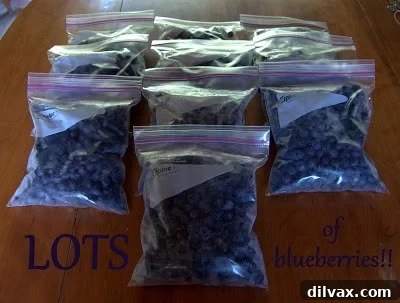
Go ahead, count them! We managed to fill ten bags, nine with 4 cups and one with 3 cups, totaling an impressive 39 CUPS OF BLUEBERRIES! That’s a truly significant amount, especially considering we also enjoyed plenty fresh, made blueberry pancakes, and even baked a galette from our harvest. This abundance means you might be seeing a delightful array of blueberry-centric recipes on this blog in the coming posts!
A special thank you goes to my amazing sister-in-law, Kate, for her invaluable help in preparing and freezing these berries. Her assistance significantly sped up the process. While the repetitive task of scraping trays can become a bit tedious after a while, keeping the “prize” in mind – a freezer full of delicious, perfectly preserved blueberries – provided all the motivation needed to push through. The satisfaction of seeing those bags and knowing we’re stocked for the long, cold winter is immense. If we ever run out of milk and bread, at least we’ll always have blueberries!
Tips for Using Your Frozen Blueberries
Once frozen, your blueberries are incredibly versatile. Here are a few tips for incorporating them into your favorite dishes:
- No Thaw Needed for Baking: For most baked goods like muffins, pancakes, waffles, or quick breads, you can add frozen blueberries directly to the batter. This helps them hold their shape better and prevents the color from bleeding too much. If adding directly, consider tossing them with a tablespoon of flour first to prevent them from sinking to the bottom.
- Smoothies and Shakes: Frozen blueberries are perfect for adding a frosty chill and burst of flavor to your morning smoothies or protein shakes without needing ice.
- Sauces and Compotes: Thaw them slightly or cook them directly from frozen to create delicious blueberry sauces for desserts, yogurt, or oatmeal.
- Pies and Crumbles: For pies or crumbles, you can often use them frozen, adjusting baking time slightly. If a recipe calls for fresh, thawed, and drained berries, follow those instructions to avoid excess moisture.
- Snack Them Frozen: Don’t forget, frozen blueberries make a fantastic, refreshing snack on their own!
Troubleshooting Common Freezing Issues
- Berries Clumping Together: This is usually due to insufficient drying or not spreading them in a single layer during the initial freeze. Ensure they are as dry as possible and truly separated on the baking sheet.
- Freezer Burn: Caused by exposure to air. Always remove as much air as possible from your freezer bags, or consider vacuum sealing for maximum protection.
- Soggy Texture After Thawing: Blueberries may soften slightly after thawing. This is normal. For recipes where texture is key (like a fruit salad), it’s best to use fresh berries. For baking or smoothies, the slight change in texture is usually unnoticeable.
Conclusion: Embrace Year-Round Blueberry Bliss
Preserving your blueberry harvest doesn’t have to be a daunting task. By following these simple steps, you can ensure a steady supply of delicious, high-quality blueberries that will bring a taste of summer to your table all year long. This method is easy, effective, and guarantees you’ll have perfectly fresh-tasting berries ready for any culinary adventure. So, next time you find yourself with an abundance of these delightful little fruits, remember this guide and get freezing! The joy of enjoying sun-kissed blueberries in the middle of winter is a small but significant pleasure that’s well worth the effort.
Happy baking, happy blending, and happy preserving!