Crafting the Perfect Rosemary Garlic Focaccia: A Delicious Journey (and Lessons Learned!)
The allure of freshly baked bread is undeniable, and for a long time, homemade focaccia has been a top contender on my baking wish list. Inspired by the rustic charm and simplicity often seen in the culinary world, particularly a recipe I stumbled upon from The Pioneer Woman, I knew it was time to embark on this delicious adventure. While the original recipe featured olives, my personal preference led me down a different path—one fragrant with rosemary and robust garlic, promising a more universally appealing flavor profile for my family, and especially for me!
Admittedly, my husband, Mr. 365, is the sole olive aficionado in our household. But to imagine I’d dedicate my very first attempt at this glorious Italian bread solely to his taste buds was, well, a delightful fantasy on his part! As the dough came together and the aromas began to waft through the kitchen, a selfish thought crossed my mind: this could be too good to share with anyone, even him. The anticipation built with every step, fueled by the intoxicating scent of yeast, olive oil, and fresh herbs. This article shares my experience, the precise recipe I used, and crucial lessons learned, ensuring your journey to perfect homemade rosemary garlic focaccia is smoother than mine.
The Irresistible Flavor of Rosemary Garlic Focaccia
This isn’t just any focaccia; it’s a celebration of simple, yet profound, flavors. The combination of earthy rosemary, pungent garlic, salty Parmesan, and a generous amount of high-quality olive oil transforms basic bread into an extraordinary culinary experience. This recipe yields two luscious loaves, perfect for sharing (if you can bring yourself to it!), serving as an appetizer, accompanying a hearty meal, or even crafting gourmet sandwiches.
Ingredients for Rosemary Garlic Focaccia – Yields 2 Loaves
- 1 ½ teaspoons active dry yeast
- 1 ½ cups very warm water (105-115°F / 40-46°C)
- 4 cups all-purpose flour, plus more for dusting
- 1 teaspoon fine sea salt (for the dough)
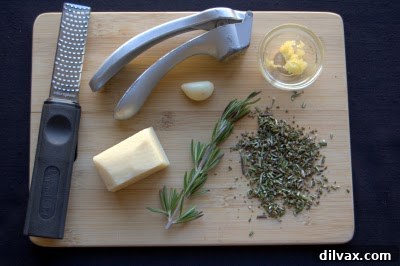
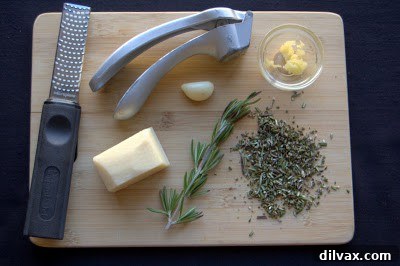
- 2 teaspoons fresh rosemary, finely chopped
- 2 cloves garlic, minced
- ⅓ cup extra virgin olive oil (for the dough)
- Additional extra virgin olive oil for drizzling and coating
- ½ cup freshly grated Parmesan cheese
- Coarse sea salt for sprinkling
Crafting Your Focaccia: Step-by-Step Instructions for a Puffy, Flavorful Loaf
Step 1: Activating the Yeast – The Foundation of Great Bread
Begin by sprinkling the active dry yeast over the very warm water in a small bowl. The water temperature is crucial here; too hot and you’ll kill the yeast, too cold and it won’t activate. Aim for bathwater warm. Let this mixture stand for 5 to 10 minutes. During this time, the yeast should dissolve and begin to foam or bubble on the surface. This bubbly activity is your assurance that your yeast is alive and ready to bring your focaccia to life. If you don’t see any activity, your yeast might be expired or the water temperature was off, and it’s best to start with fresh yeast.
Step 2: Mixing the Dough – Achieving the Perfect Consistency
In the bowl of a stand mixer fitted with the paddle attachment, combine the all-purpose flour and the fine sea salt. Give them a quick stir to ensure the salt is evenly distributed. With the mixer running on low speed, slowly drizzle in the ⅓ cup of olive oil. Allow it to mix until the flour resembles coarse crumbs. This step helps to “shorten” the gluten strands, contributing to focaccia’s characteristic tender crumb.
Next, pour in the activated yeast mixture. Continue to beat on low speed until the ingredients are just combined and the dough comes together in a sticky, shaggy ball. Resist the urge to overmix! Unlike some other breads, focaccia benefits from a more rustic approach to mixing. A slightly sticky dough is exactly what you’re looking for. It should be cohesive but still soft and somewhat unmanageable by hand—trust the process.
As Ree Drummond wisely put it, “Don’t play with it.” While the football season might inspire throwing, this dough is not your plaything. Overworking the dough can lead to a tough focaccia, and you’ll have a sticky mess on your hands. Just let the mixer do its work until the ingredients are integrated.
Step 3: The First Rise (Bulk Fermentation) – Developing Flavor and Texture
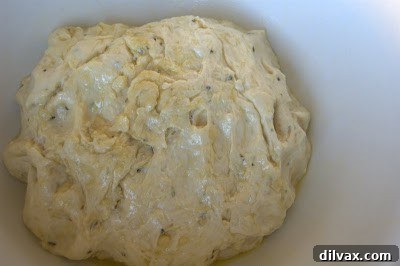
This step is where the magic of fermentation begins. For an optimal rise, warmth is key. Here’s a brilliant trick I learned: warm a non-metal mixing bowl in the microwave for a minute or so until it’s comfortably warm to the touch. This creates a cozy environment for the yeast. Drizzle the warm bowl with a light coating of olive oil. Form the sticky focaccia dough into a ball and toss it in the olive-oiled bowl, ensuring all sides are coated. This prevents it from sticking and adds to the bread’s flavor profile.
Cover the bowl tightly with plastic wrap to create a humid environment, which prevents the dough from drying out. Set it aside in a warm, draft-free place for 1 ½ hours, or until it has noticeably doubled in size. This slow fermentation allows the yeast to produce gases, which create air pockets, and also develops the complex flavors that make focaccia so delicious. Patience here is truly a virtue.
I must interject here and express my admiration for Ree’s ingenious tip of warming the bowl. It’s a simple step that makes a significant difference, ensuring a consistent and robust first rise. It’s these small, clever details that elevate home baking!
Step 4: Preparing for the Second Rise – Shaping and Initial Toppings
While your dough is undergoing its first rise, prepare two rimmed baking sheets. Generously drizzle each sheet with extra virgin olive oil, then lightly wipe the oil around with a paper towel or your fingers to ensure an even coating. This liberal coating of oil is essential for developing that signature crispy, golden-brown focaccia bottom.
Once the dough has completed its first rise, gently remove it from the bowl and place it onto a lightly floured surface. The dough will be soft and airy. Divide the dough in half, handling it as little as possible to avoid deflating too many of the precious air bubbles. Gently roll or stretch each half into a large, thin oval or rectangle, aiming for a thickness of about ½ to ¾ inch. The dough should be pliable and cooperative.
Carefully transfer each shaped dough piece to a prepared baking sheet. Now, it’s time to add some initial flavor. Drizzle a bit more olive oil over the top of each dough piece. Evenly sprinkle the chopped fresh rosemary, minced garlic, a generous portion of the freshly grated Parmesan cheese, and a light scattering of coarse sea salt over the surface of each loaf. These toppings will infuse their delicious flavors into the bread during the final proofing and baking stages.
Step 5: The Crucial Second Rise – A Lesson in Patience (and My Biggest Mistake!)
NOTE TO SELF AND ALL READERS: This is the step I regrettably skipped in my initial attempt, leading to a significant baking mishap. Please, for the love of perfectly puffy bread, do NOT skip this!
Once the dough is on the baking sheets with its initial toppings, cover each baking sheet loosely but thoroughly with plastic wrap. This again creates a warm, moist environment. Allow the dough to rest in a warm place for another hour. During this crucial second rise (also known as proofing), the yeast will continue to work, filling the dough with more air and giving it its characteristic pillowy texture. The dough should puff up noticeably and become even more light and airy. Skipping this step results in a dense, flat, and uninspired focaccia.
Step 6: Final Touches and Baking – Towards Golden Perfection
About 20 minutes before the end of the second rise, preheat your oven to 400°F (200°C). A properly preheated oven is vital for achieving a good crust and even bake.
Once the dough has completed its second rise and is beautifully puffy, gently remove the plastic wrap. Now, using your fingertips, press dimples all over the surface of the dough. Don’t be shy; press firmly enough to create indentations, but not so hard that you flatten the dough entirely. These dimples are not just for aesthetics; they create little wells that will catch olive oil and flavor, and they also help to prevent large air bubbles from forming and creating an uneven crumb during baking.
For a final flourish, sprinkle each focaccia with a little more olive oil and add another touch of coarse sea salt. This last drizzle of oil contributes to the golden crust and rich flavor, while the extra salt provides bursts of savory goodness.
Bake the focaccia for 35 to 40 minutes, or until the top is beautifully golden brown and the edges are crispy. The aromatic symphony filling your kitchen at this point will be absolutely heavenly. Once baked, remove the focaccia from the oven and let it cool slightly on the baking sheets before transferring it to a wire rack. This brief cooling period helps to set the crust and makes it easier to handle.
To serve, slice the focaccia into pieces with a pizza wheel or a sharp knife. This rosemary garlic focaccia is divine served warm, either on its own, with a bowl of soup, alongside pasta, or as a base for sandwiches.
A Baker’s Lament: The Coulda, Shoulda, Woulda Moment
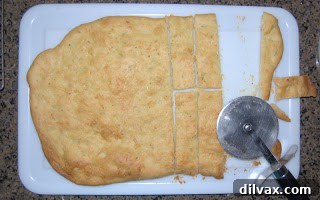
Oh, the agony of a baking day that promised so much and delivered so little! This COULDA been a truly phenomenal baking experience. It SHOULDA been perfect, because honestly, this recipe is not inherently difficult. It WOULDA been absolutely, incredibly delicious had I simply FOLLOWED the directions to the letter and not made such a critical error. The result of my oversight was nothing short of a tragedy in the world of bread-making.
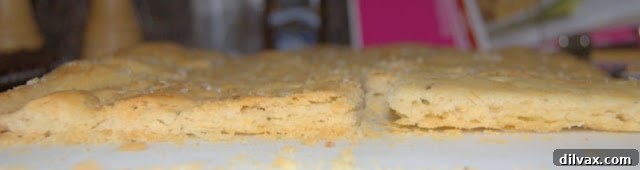
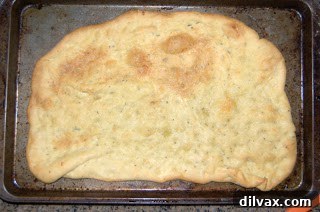
Grrrrr…. The horror! My focaccia was FLAT! Flat, flat, FLAT!! And to add insult to injury, it was dry, too. A far cry from the puffy, tender, olive-oil-rich bread I had envisioned and whose aromas had teased my senses for hours. It was a disheartening sight, especially after all the effort.
Friends, please, learn from my mistakes! YOU have the power to do this correctly. I am serious—do this right. The single, most critical step I missed was the second rise. You MUST cover the dough and allow it to rest for another hour after you place it on the baking sheets. It should be puffy. Ree, whose wisdom I usually adhere to, explicitly states it will be. And she is right.
I beg of you, (yes, I’m begging, do you hear me? I’m even on my knees at this point, pleading!) follow her directions meticulously. But do incorporate my delicious additions of fresh rosemary, minced garlic, Parmesan, and coarse sea salt. If you do, you are going to have an absolutely fantastic, tasty piece of bread melting in your mouth. Darn it! I am really upset it didn’t work out the first time. Can you tell? I thought I was being subtle, trying not to express my disappointment too much.
Here goes… I rate everything I bake on a scale of 1-4, with 4 being the best. This Rosemary Garlic Focaccia coulda, shoulda, woulda been a solid 4, a masterpiece of homemade bread. BUT, due to my monumental error, it only earned a dismal 1 ½ rolling pins. I’m also considering the possibility that my yeast might not have been at its peak performance because it wasn’t puffing up in the water as vigorously as I’ve seen it do before, which could have exacerbated the issue. Ah well, there’s always tomorrow to try again!
Embrace the Baking Journey: Learn, Adapt, and Conquer!
Thank you all for reading my rant, my confession, and my journey through this baking adventure! I’m thrilled to welcome many new fans to the 365 FB page, so a very warm welcome to all of you. I am genuinely glad you’ve joined me for this culinary adventure. And today, it certainly turned out to be just that—an adventure with unexpected twists and turns, didn’t it?!
Baking is a continuous learning process. There will be triumphs, and there will be flops. The key is to learn from each experience, adjust your approach, and never give up. Despite the initial setback, my passion for creating delicious homemade bread remains strong. This focaccia, with its potential for pure perfection, is too good to abandon.
BIG baking hugs and muffins (and soon, hopefully, perfectly puffy focaccia)! And rest assured, I WILL be making this AGAIN. And next time, it will be glorious.