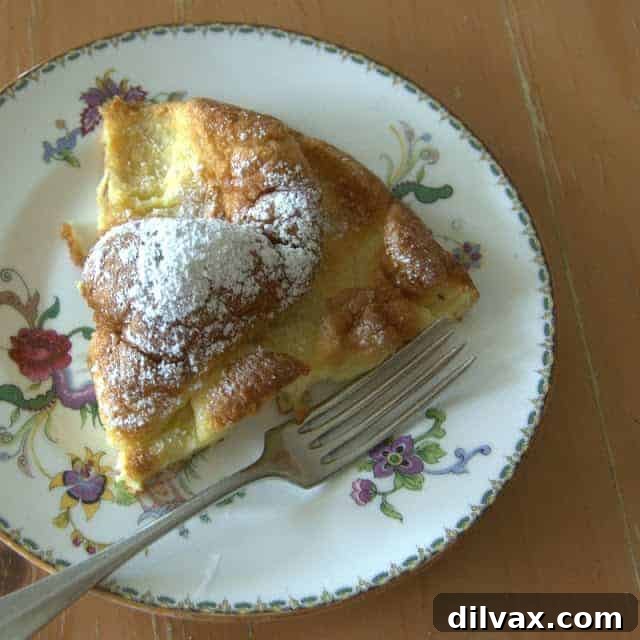
The Ultimate Guide to Baking a Perfectly Puffy and Fluffy German Pancake (Dutch Baby)
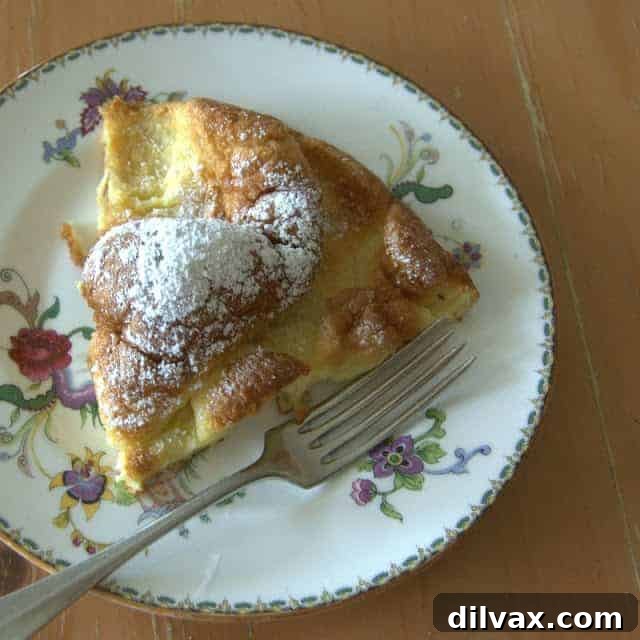
In the hustle and bustle of modern life, it’s easy to overlook the simple pleasures, especially when it comes to starting your day. Are you truly taking time for yourself, nourishing your body with delicious food, or finding moments of joy? We often prioritize so many things over our own well-being. But what if a single, delightful dish could bring a huge smile to your face and transform your morning routine? Enter the German Pancake, also lovingly known as a Dutch Baby – a culinary masterpiece that promises warmth, comfort, and an unforgettable experience.
For years, my pancake repertoire was limited to the standard boxed mix, a quick fix for busy mornings. However, through my culinary journey, I’ve discovered a vast and exciting world of pancakes far beyond the griddle. This exploration quickly turned into a delightful obsession in my household. While stovetop favorites like Cinnamon Peach Pancakes and Banana Peanut Butter Chip Pancakes hold a special place, my true adoration lies with the magnificent baked pancake, particularly this incredible German Pancake recipe.
What Makes a German Pancake So Special?
If you’ve never experienced the magic of a baked pancake, prepare yourself for an extraordinary treat. Unlike traditional pancakes that demand your constant attention, flipping individual servings over a hot stove, the German Pancake offers a wonderfully hands-off approach. The simple batter is poured into a hot skillet or baking dish and allowed to bake in the oven, transforming into a spectacularly puffy, golden-brown marvel. Once baked to perfection, it’s typically adorned with a generous dusting of powdered sugar and a squeeze of fresh lemon juice, then sliced and served. It’s an impressive dish that requires minimal effort, making it ideal for relaxed mornings or entertaining guests.
Understanding the “Dutch Baby” Name
The German Pancake goes by another charming moniker: the “Dutch Baby.” This name is often used when the pancake is baked in smaller, individual pans, creating adorable, personal-sized servings. While the exact origin of the “Dutch Baby” name remains a bit of a mystery, one popular theory suggests it’s a corruption of “Deutsch,” the German word for German, perhaps evolving from a family recipe brought to America. Regardless of its etymology, the name perfectly captures the whimsical and delightful nature of this dish. Whether you call it a German Pancake or a Dutch Baby, one thing is certain: you are going to fall in love with its unique texture and flavor.
The Recipe Origin: A Timeless Classic
This particular Dutch Baby recipe is a cherished gem, directly sourced from my beloved Fannie Farmer Cookbook. This classic cookbook is renowned for its reliable and delicious recipes, and this German Pancake is no exception. It’s a testament to timeless cooking that simple, wholesome ingredients can yield such spectacular results. (Originally posted June 2011; Recipe notes updated January 2020)
The Anatomy of a Perfect German Pancake
Creating a light and airy Dutch Baby Pancake starts with a surprisingly simple batter, yet it yields a complex and satisfying result. The core ingredients are straightforward: eggs, milk, flour, and a touch of salt. The secret to its signature puffiness lies in the ratio of eggs, which is often higher than in traditional pancake batters. This abundance of eggs provides the necessary structure and helps the pancake rise dramatically in the hot oven, creating those beautiful, tall, and crinkled edges.
The flavor profile of a German Pancake is wonderfully subtle and versatile. It boasts an eggy richness, reminiscent of a delicate French crepe, but with an astonishingly airy and custardy interior. This delicate base makes it a perfect canvas for a variety of toppings, from the traditional to the more adventurous. Serving it fresh out of the oven, while it’s still gloriously hot and puffed, is key to experiencing its full glory. It’s an ideal choice for a special breakfast, a leisurely brunch, or even a fun “breakfast for dinner” occasion.
Expert Tips for Baking Your Best Dutch Baby Pancake
Achieving that impressive, sky-high puff and tender interior is easier than you think with a few simple tips:
- Individual Dutch Babies: For a charming presentation, consider using mini cast iron skillets. These are perfect for creating individual servings, much like you would cook a single egg. Pulling these cute, personal pancakes out of the oven is always a crowd-pleaser and adds a touch of gourmet flair to any meal.
- Serving a Large Pancake: If you opt for one large German Pancake, serving is effortless. Simply slice it into wedges, much like you would a pie or a pizza, making it easy for everyone to grab a portion.
- Topping Perfection: The classic toppings – a dusting of powdered sugar and a drizzle of fresh lemon juice – create a harmonious balance of sweetness and bright tang that is simply divine. The lemon cuts through the richness and adds a refreshing note. However, don’t be afraid to experiment! Maple syrup is always a welcome addition, especially if you prefer a sweeter pancake. For a burst of freshness, try topping with fresh berries, sliced bananas, or a dollop of your favorite fruit jam. Whipped cream, a sprinkle of cinnamon, or even a drizzle of chocolate sauce can elevate your Dutch Baby to dessert status.
- Yield and Serving Size: This recipe typically yields one large German Pancake, which generously serves four as a main dish. If you’re hosting a larger gathering or want to ensure ample servings, consider doubling the recipe and using two large skillets or a combination of large and small pans. It’s a fantastic dish to serve company alongside fresh fruit or a savory side for a complete brunch spread.
- Room Temperature Eggs: Ensure your eggs are at room temperature. This helps them incorporate more smoothly into the batter and contributes to a better rise.
- Preheat the Pan: For maximum puff, preheating your buttered skillet in the oven while it preheats is crucial. This creates an immediate sizzle when the batter hits the hot surface, helping the pancake expand rapidly.
More Irresistible Pancake Creations
If you’ve fallen in love with this German Pancake recipe and are eager to explore more delightful pancake variations, here are some other fantastic recipes to try from our collection:
- Lemon Poppy Seed Dutch Baby (aka German Pancake)
- Lemon Blueberry Cottage Cheese Pancakes
- Zucchini Pancakes
- Cranberry Pancakes with Orange Cream Cheese Drizzle
- Baked Apple Cinnamon Pancake
- Whole Wheat Pumpkin Pancakes
- Lemon Ricotta Pancakes with Blueberry Compote
- Patriotic Buttermilk Pancakes with Blueberries and Strawberries
- The Fluffiest Blueberry Lemon Pancakes
Classic German Pancake (Dutch Baby) Recipe
This versatile German Pancake recipe offers the flexibility of baking one grand, impressive pancake or dividing the batter into four charming 6-inch Dutch Babies. Both options promise a delightful experience!
Created by: Lynne Feifer
Ingredients
- 3 eggs, room temperature
- ½ cup milk
- ½ cup all-purpose flour
- ½ teaspoon salt
- 2 tablespoons butter, melted
- 2 tablespoons lemon juice (freshly squeezed for best flavor)
- Confectioners’ sugar, for dusting
Instructions
- Preheat oven to 450 degrees F (230 degrees C).
- Generously butter a 12-inch oven-safe skillet (cast iron works wonderfully) or four small individual skillets or baking pans (such as small pie or cake pans). Place the buttered pan(s) into the preheating oven while it comes to temperature.
- In a medium mixing bowl, beat the room temperature eggs thoroughly until light and airy.
- Add the milk to the beaten eggs and whisk well until fully combined.
- In a separate bowl or onto a square of wax paper, sift together the all-purpose flour and salt. This step helps prevent lumps and ensures a smooth batter.
- Gradually add the sifted flour and salt mixture into the egg and milk mixture. Do this slowly while continuously whisking to ensure a smooth batter without lumps. A common method is to lift the wax paper from two opposite corners and gently “drift” the flour mixture into the liquid while whisking.
- Pour in the melted butter and whisk briskly until the batter is completely smooth and well-incorporated.
- Carefully remove the hot, buttered pan(s) from the oven. Pour the prepared batter into the hot pan(s) and immediately return to the oven. Bake for 15 minutes.
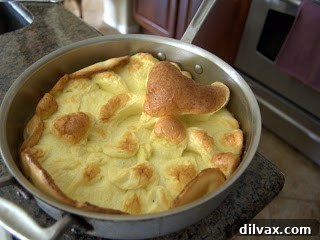
- If baking one large pancake: After the initial 15 minutes at 450 degrees F, reduce the oven temperature to 350 degrees F (175 degrees C) and continue to bake for an additional 10 minutes. This total baking time of 25 minutes ensures the large pancake is fully cooked and maintains its impressive puff. (Resist the urge to open the oven door during baking, as this can cause the pancake to deflate!)
- If baking individual small pancakes: They will likely be done after the initial 15 minutes at 450 degrees F. The edges should be deeply golden and the center puffed.
- Once baked, immediately remove the German Pancake(s) from the oven. Quickly sprinkle the surface with fresh lemon juice, then dust generously with confectioners’ sugar using a fine-mesh sieve.
- Serve at once while the pancake is still wonderfully hot, puffy, and golden!
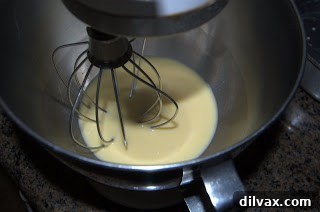
We start our German Pancake adventure by thoroughly beating three eggs in a bowl until they are light and foamy. Next, add the milk and whisk everything together until perfectly combined. The secret to a smooth batter often lies in the incorporation of dry ingredients.
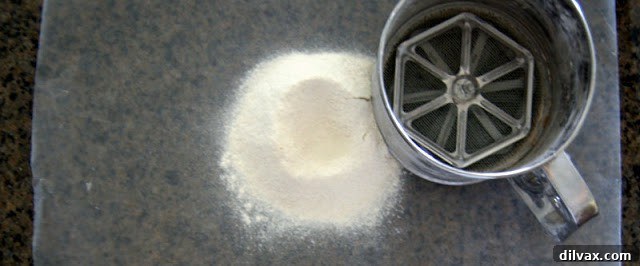
Instead of directly sifting the flour into the wet ingredients, a trick to ensure a lump-free batter is to sift the flour and salt together onto a square of wax paper or parchment paper.
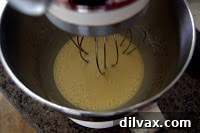
Carefully lift the wax paper by two opposite corners, allowing the flour mixture to slowly and evenly “drift” into the egg and milk mixture below. While doing this, continuously whisk the wet ingredients. This controlled method ensures the flour is incorporated without forming stubborn lumps, resulting in a beautifully smooth batter. Alternatively, you can slowly sift the flour and salt directly into the wet ingredients while whisking continuously until smooth.
Finally, add the melted butter to the batter and mix briskly until everything is thoroughly combined and the batter has a smooth consistency. The batter is now ready for its transformation in the oven. Pour the prepared batter into your preheated, buttered pan or pans.
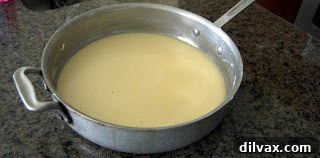
Place the pan(s) into the hot oven and bake for an initial 15 minutes. During this time, the magic truly begins as the pancake starts to puff up dramatically.
 |
If you’re baking smaller, individual pancakes, they will typically be ready after the initial 15 minutes at 450 degrees F (230 degrees C).
However, if you are baking **one large German Pancake**, there’s a crucial second step to ensure it reaches its full, glorious potential. After the initial 15 minutes at 450 degrees F, **reduce the oven temperature to 350 degrees F (175 degrees C) and continue to bake for another 10 minutes**. This extra baking time is essential for the center to cook through and for the pancake to hold its impressive puff. Learn from my early mistakes: don’t take it out of the oven prematurely, only to realize you need to put it back in! That brief exposure to cooler air can cause a magnificent puff to sadly deflate.
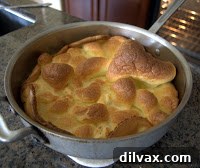
Once baked, immediately remove the pancake(s) from the oven. While still hot, sprinkle a generous amount of fresh lemon juice over the entire surface. This zesty addition perfectly complements the rich, eggy flavor. Follow with a beautiful dusting of confectioners’ sugar (also known as powdered sugar) using a fine-mesh sieve for an elegant finish.
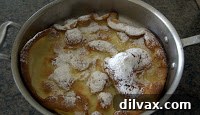
The key to enjoying a German Pancake at its best is to serve it at once, while it’s still wonderfully hot and majestically puffy! The immediate transfer from oven to table preserves its incredible rise and delicate texture.
I recall my very first attempt at this recipe many years ago. I made the mistake of not allowing the large pancake to finish baking for the final 10 minutes, which is crucial for it to **stay** puffy and golden. While it still tasted absolutely amazing, I missed the impressive height that defines a classic German pancake. That lesson stuck with me, and since then, I’ve never forgotten that final, vital step!
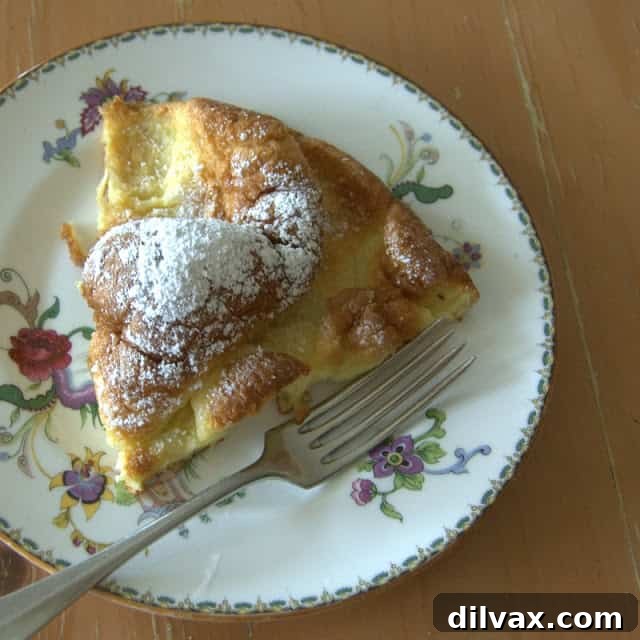
My Personal Take on the Dutch Baby Pancake
When I evaluate recipes, I often use a scale of 1-4, with 4 being the absolute best. This German Pancake recipe consistently earns a strong 3.5 out of 4 from me, leaning towards perfection! On one occasion, I didn’t have fresh lemons, so I used bottled lemon juice, which worked perfectly. I simply drizzled it carefully with my fingers to ensure an even distribution, avoiding any overly concentrated areas. I was genuinely pleased with the resulting flavor and texture; it reminded me delightfully of a thick, yet incredibly light and airy crepe. I initially made this as an early afternoon snack, and while incredibly tasty, its light nature meant I couldn’t resist having two pieces!
This experience invariably sparks an urge in me to whip up some classic crêpes… but for now, happy baking of your perfect German Pancake!
Beyond Pancakes: More Delightful Breakfast Recipes
If you’re exploring beyond the pancake realm or simply in the mood for something different to kickstart your day, check out these other delicious breakfast ideas from my kitchen:
- Dairy-Free Lemon Poppy Seed Waffles
- Baked Blueberry Waffles
- Baked Strawberry Waffles
- Chocolate Croissant Baked French Toast
- Baked Cinnamon French Toast
Did you make this recipe?
I love seeing your creations! Share your beautiful German Pancake on Instagram and tag me. For more delicious recipes and baking inspiration, make sure to follow me on Pinterest!
Email Recipe
Pin Recipe
Share on Facebook